Use a meat thermometer for roast beef to get perfect results: cooking time charts for every cut and doneness, resting, carving and gravy.
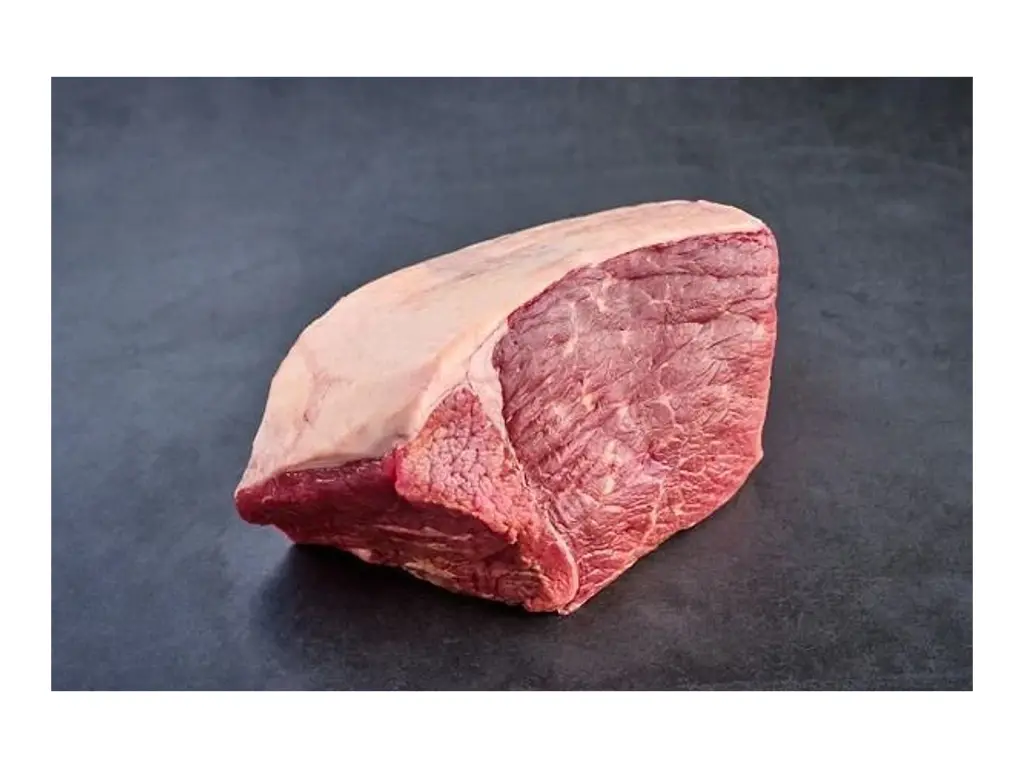
A meat thermometer for roast beef beats any timetable. A roast beef is one of the easiest impressive meals you can cook, as long as you get the timing right. Too short and the centre is cold and raw; too long and an expensive joint turns grey and dry. The good news is that a few simple numbers, and ideally a meat thermometer, make perfect roast beef reliable. This guide gives you roast beef cooking time charts for tender roasting joints, explains how slow cooked roast beef works for cheaper cuts, and covers seasoning, resting and carving.
Two kinds of roast beef
Before you look at a chart, it helps to know which kind of roast you are cooking. Tender roasting cuts, such as rib roast, sirloin, eye fillet, rump and topside, are cooked like a giant steak: relatively quickly, to a pink centre. Tougher cuts with lots of connective tissue, such as chuck and blade, need long, slow, moist cooking until they are fork-tender. Applying the wrong method is the most common cause of a disappointing roast.
Roast beef cooking time chart
For tender roasting joints, sear the beef in a hot pan first, then roast at 180°C (160°C fan). Times are per 500 g, starting from a joint that has been out of the fridge for about an hour.
| Doneness | Minutes per 500 g | Remove at | After resting |
|---|---|---|---|
| Rare | 15 to 18 | 48°C | 52°C |
| Medium-rare | 20 to 22 | 52°C | 56°C |
| Medium | 25 to 27 | 57°C | 61°C |
| Well done | 30 to 35 | 66°C | 70°C |
Thin, long joints such as eye fillet cook faster than thick, round joints of the same weight, so always use the temperature column as your final guide. An instant-read or leave-in probe thermometer is the single best investment for roasting.
Best cuts for a classic roast
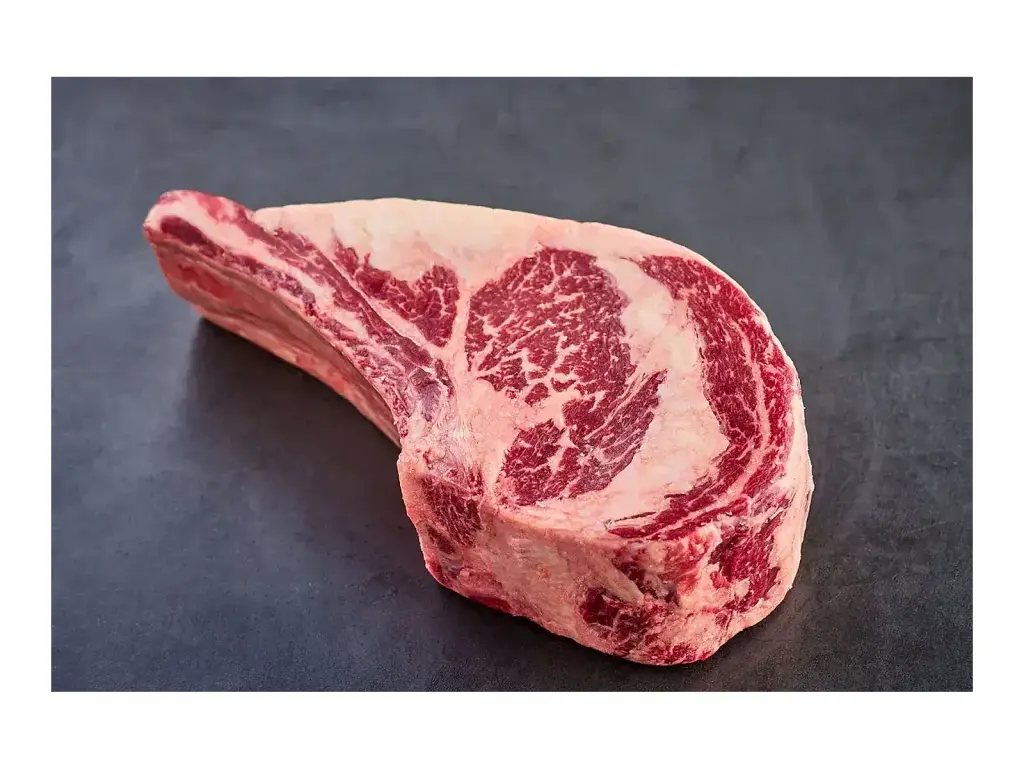
- Standing rib roast: the showpiece, juicy and full of flavour.
- Whole eye fillet: the most tender, cooks quickly.
- Rump and rump cap: flavourful and great value.
- Topside: lean and economical, best served pink and thinly sliced.
- Roast beef joint: ready to go.
Our guide to the best beef cut for roasting compares them in detail.
Seasoning: beef steak seasoning works for roasts too
A simple beef steak seasoning of coarse salt, cracked black pepper and garlic is all a good roast needs. For more flavour, rub the joint with olive oil, crushed garlic, chopped rosemary and thyme, Dijon mustard or a spice blend of paprika, cumin and coriander. Salt the joint generously at least an hour ahead, or the night before, and leave it uncovered in the fridge: the salt seasons the meat more deeply and dries the surface for a better crust.
Beef chuck roast: low and slow
A beef chuck roast is the classic pot roast. It is full of collagen, which makes it tough if roasted quickly but gives meltingly tender, juicy meat after three or four hours of slow, moist cooking. Our chuck steak, chuck tender and bolar blade are ideal.
Slow cooked roast beef method
Season a 1.5 to 2 kg chuck or blade roast and brown it well on all sides in a heavy casserole. Remove it, soften a sliced onion, two carrots and two celery sticks in the pan, add garlic and a tablespoon of tomato paste, then 2 cups of beef stock and a few herbs.
Return the beef, cover tightly and cook at 150°C for 3.5 to 4 hours, or on low in a slow cooker for 8 to 10 hours, until it pulls apart with a fork. Thicken the juices into gravy. Slow cooked roast beef cannot be served pink, but it makes up for it with deep flavour and a tender, shreddable texture.
Resting and carving
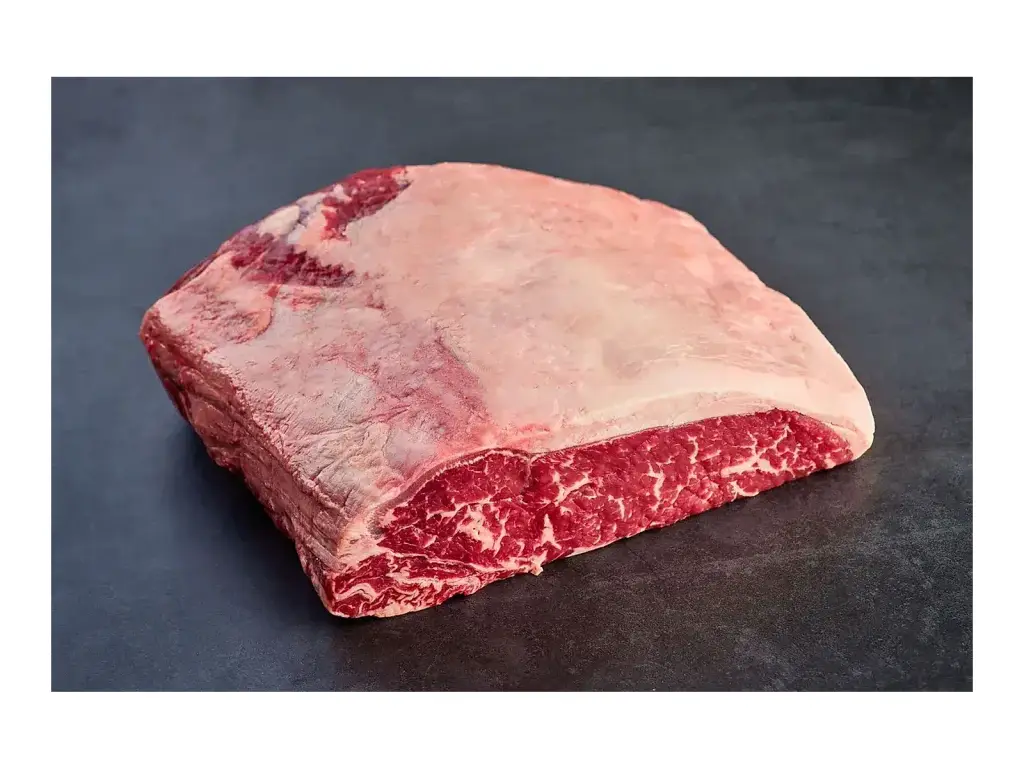
Rest a roast for at least 15 minutes, and up to 30 for a large rib roast, loosely covered with foil. During resting, the internal temperature rises by 3 to 5°C and the juices settle back into the meat. Carve across the grain into thin slices with a long, sharp knife. For a rib roast, cut along the bones to remove them first, then slice the boneless joint.
Gravy from the pan
Pour off most of the fat from the roasting tin, leaving the browned juices. Place the tin on the stove, stir in a tablespoon of flour and cook for a minute, then gradually whisk in 2 cups of beef stock. Simmer until thick, add any resting juices and season to taste.
Roast beef questions
Should I cover beef when roasting?
No, for tender roasting joints: leaving the roast uncovered gives a better crust. Cover slow-cooked pot roasts, which need moisture.
How much roast beef per person?
Allow about 200 to 250 g of boneless raw beef per person, or 350 to 400 g of bone-in rib roast.
Can I roast beef from frozen?
It is possible but not recommended, as it cooks unevenly. Thaw the joint in the fridge for 24 to 48 hours first.
A worked example: Sunday roast for six
Say you have a 2 kg boneless rump roast and want it medium-rare for six people. Take it out of the fridge an hour before cooking and heat the oven to 180°C. Pat it dry, rub it with oil, salt, pepper and garlic, and sear it on all sides in a hot pan for about 8 minutes.
At 20 to 22 minutes per 500 g, it needs roughly 80 to 90 minutes in the oven. Start checking the temperature after an hour, and remove it when the centre reads 52°C. Rest it for 20 minutes while you finish the potatoes and make the gravy; it will rise to about 56°C. Carve thinly across the grain and serve.
Planning backwards from your serving time makes the day stress-free. If dinner is at 6 pm, the roast should come out of the oven around 5.30 pm, go in around 4 pm, and come out of the fridge around 3 pm. Roast potatoes can share the oven, and vegetables can be steamed while the meat rests.
Leftover roast beef ideas
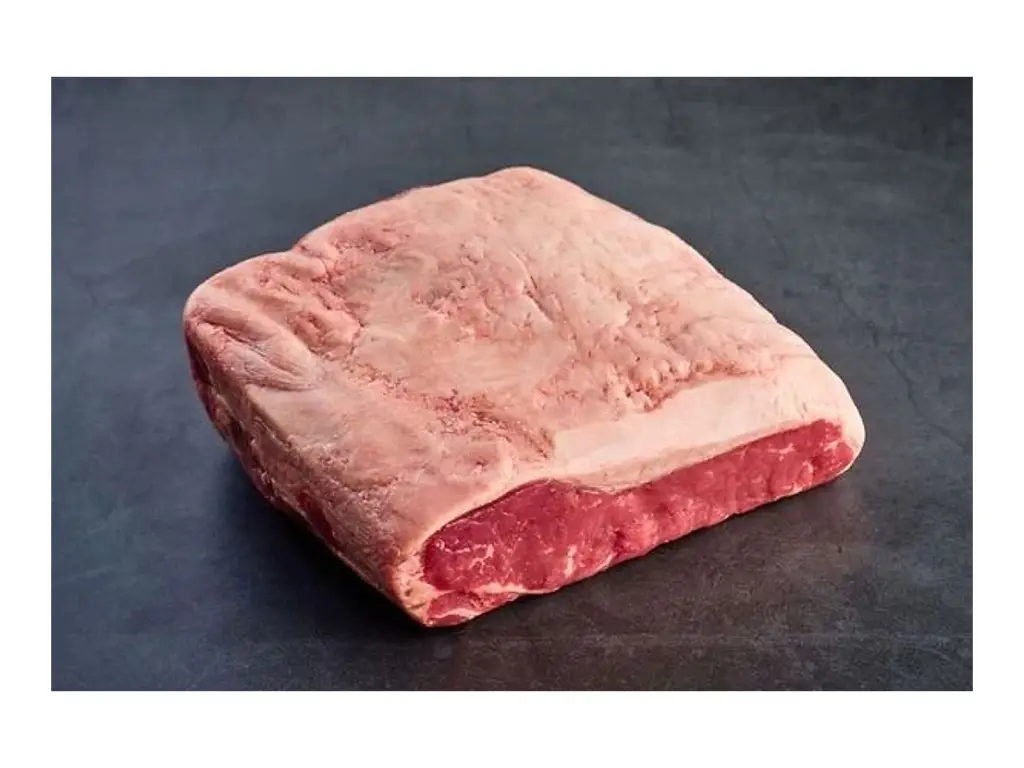
A good roast almost always leaves something for the next day. Thinly sliced cold roast beef makes excellent sandwiches with mustard and rocket, a quick beef salad, or a topping for rice bowls. Diced leftovers can go into fried rice, a cottage pie or a quick curry. Store leftovers in a sealed container in the fridge and use them within three days, or freeze slices with a little gravy for up to two months.
Which roast should you cook?
Cooking times depend on the cut. Our beef roast varieties guide explains the groups, and the best beef roast cut for most families is topside. If you are choosing the best cut of beef for beef roast dinners, or reading about the best cuts beef roast guides recommend, compare the cuts of beef roast by tenderness and price. A roasted rib roast is the showpiece, and can you smoke a prime rib roast is a common question: yes, at 110 to 120°C.
Buying roast beef
Every halal beef roast we sell is certified by Halal Control Australia. You can buy roast beef online as a tied joint, or buy beef roasts online as a porterhouse roast. Searching for a beef roast near me? We deliver from Greenacre. For a special meal, Wagyu ribeye on the bone makes a spectacular roast. See the halal beef range.
Roast lamb for the same table
Many families roast lamb and beef on the same day. A roast lamb leg slow cooked at 140°C for four to five hours is fall-apart tender, while a roast lamb leg at 180°C is carved in slices and ready in about two hours. Use the thermometer: 58°C for medium and 75°C for well done. Our lamb range is in the lamb cuts guide.
Thermometer questions
Should the probe stay in during cooking?
A leave-in probe with an alarm is handy; otherwise check with an instant-read probe near the end. Avoid opening the oven too often.
Why did my roast cook faster than the chart?
Oven temperatures vary, and smaller roasts cook faster. Trust the thermometer, and start checking about 30 minutes before the chart says it is done.
How long does it rest?
Resting for 20 minutes lets the juices settle and the temperature rise by a few degrees, so pull the roast about 5°C below your target.
A simple roasting plan
For a relaxed Sunday, season the roast the night before and leave it uncovered in the fridge. Take it out an hour before cooking, heat the oven, and put the roast in with a thermometer. While it cooks, prepare the vegetables and gravy base. Pull the roast about 5°C below your target, rest it under foil for 20 minutes and use that time to roast potatoes at a higher temperature and finish the gravy. Carve at the table across the grain, and keep the bones and trimmings for stock. This routine means the roast, the vegetables and the gravy are all ready together.
Finding a butcher for your roast
If you have been looking for a wagyu butcher near me for a special roast, Wagyu topside and rump make spectacularly rich roasts. Our Wagyu topside roast and whole Wagyu rump are delivered chilled across Australia. Every cut in our halal beef range is certified halal by Halal Control Australia and delivered from Greenacre, Sydney.