What is the best beef cut for roasting? We compare topside, rib, rump and fillet for dry roasts, blade and chuck for pot roasts, with timings and prices.
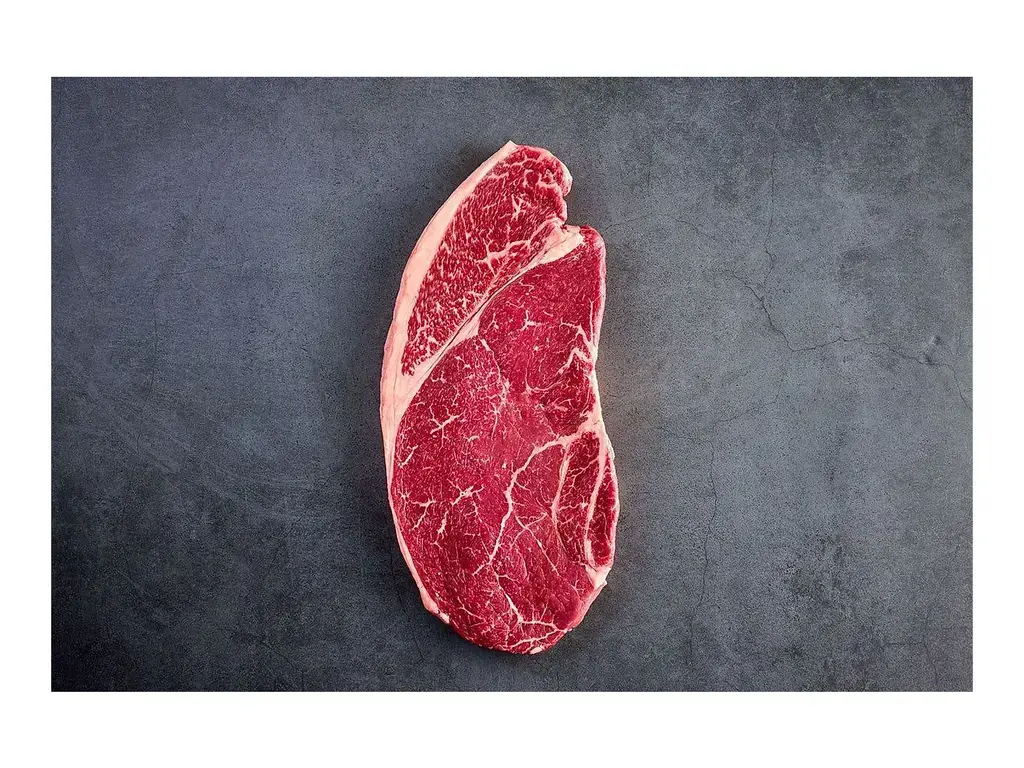
What is the best beef cut for roasting? It depends on what kind of roast you want. A showpiece rib roast for a celebration, a lean topside for Sunday dinner, a whole fillet for a dinner party and a fall-apart pot roast for a cold night all call for different cuts. This guide walks through the main roasting joints, how to cook each one, and how to choose the best beef cut for roasting for your budget and your crowd.
Two kinds of roast
Before choosing a cut, decide whether you want a dry roast or a pot roast. Dry roasting — in an open tin in a hot oven — suits tender, fairly lean cuts that you serve pink: rib, fillet, sirloin, rump and topside. Pot roasting — covered, with liquid, low and slow — suits working cuts with more connective tissue that you serve well done and tender: blade, chuck and brisket. Pick the wrong method for the cut and you get either a tough dry roast or a stringy grey one.
The best cuts for a dry roast
Rib roast (roast beef ribeye)
The rib is the king of roasts. A standing rib roast is the scotch fillet still on the bone, and it is well marbled, juicy and full of flavour. Roast beef ribeye — the same muscle without the bone — is easier to carve and almost as impressive. Because it is so well marbled, rib stays juicy even if it goes a little past medium-rare. It is the most expensive everyday roast, and worth it for a celebration. Our Angus standing rib roast is a centrepiece for Eid, birthdays and Christmas gatherings.
Eye fillet
A whole or centre-cut fillet is the most tender roast of all, and it cooks quickly — usually 25 to 40 minutes. It is very lean and mild, so serve it rare to medium-rare with a good sauce. Our whole beef fillet can be trimmed into a centre roast with medallions left over.
Topside beef
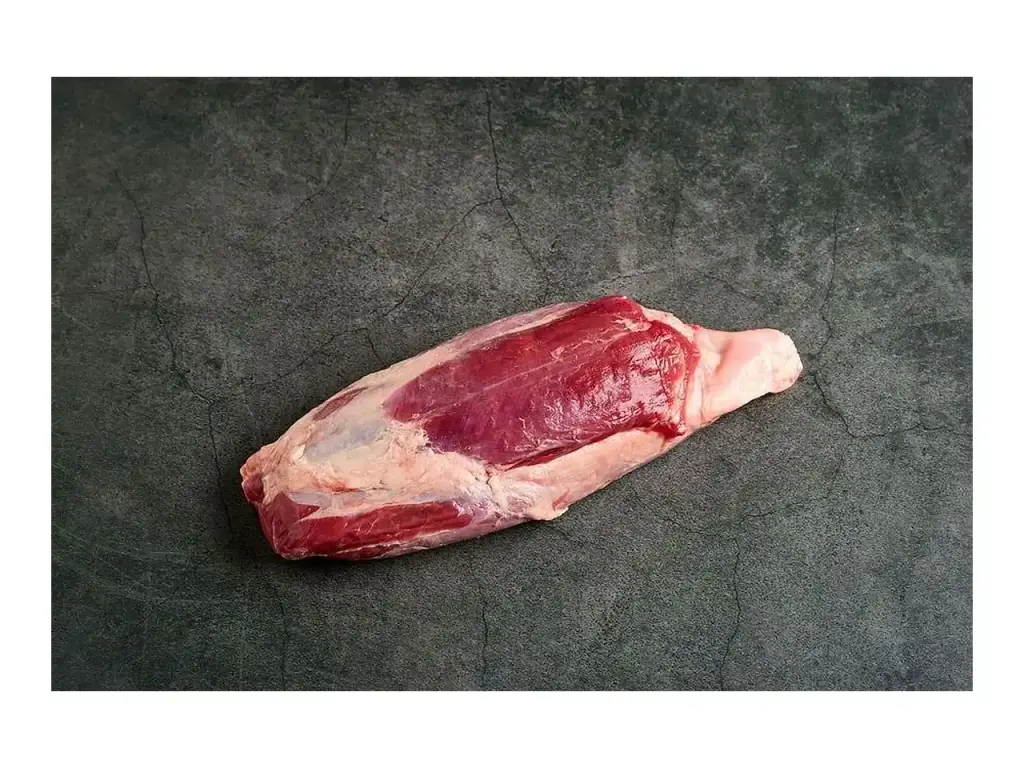
Topside beef comes from the inside of the hind leg. It is lean, budget-friendly and slices neatly, which makes it the classic Sunday roast and the cut most often used for deli roast beef. Because it has little fat, it must be served pink and sliced thinly across the grain; cooked well done it dries out. Brown it hard, roast it hot and rest it well.
Rump and rump cap
Rump makes a flavourful, good-value roast with more character than topside. The rump cap (picanha) roasted whole with its fat cap on is one of the most delicious roasts you can make: score the fat, salt it generously and roast it fat side up so the fat bastes the meat. See our rump cap.
Rolled roast beef
A rolled roast beef joint is any boneless cut tied into an even cylinder so it cooks evenly from end to end. Rolling makes carving easy and gives you consistent slices for a crowd. Our roast beef joint is prepared this way and ready for the oven.
The best cuts for a pot roast
For a slow, tender pot roast, choose bolar blade, chuck or brisket. These cuts have more connective tissue, which melts in long, moist cooking and gives a rich gravy. Bolar blade slices neatly; chuck and brisket are better pulled or carved thickly. Our bolar blade roast recipe walks you through the method step by step.
What cut of beef roast is best for your budget?
What cut of beef roast is best also depends on cost per serve. Ranked roughly from most to least expensive per kilo:
- Eye fillet: most tender, highest price; perfect for a small, special dinner.
- Rib roast: the most flavour and juiciness; best for celebrations.
- Rump cap and rump: great flavour at a middle price.
- Topside: lean, neat and economical; the everyday Sunday roast.
- Bolar blade, chuck and brisket: the cheapest, for slow pot roasts and big crowds.
Use a roast beef thermometer
A roast beef thermometer is the single best tool for a perfect roast, because oven temperatures, joint shapes and starting temperatures all vary. Insert a probe into the thickest part of the meat, away from bone, and pull the roast out about 5°C before your target — it keeps cooking as it rests:
- Rare: remove at 47–50°C (rests to about 52–55°C).
- Medium-rare: remove at 52–55°C (rests to about 57–60°C).
- Medium: remove at 57–60°C (rests to about 62–65°C).
As a rough guide, a dry roast at 200°C takes about 15–20 minutes per 500g for medium-rare after an initial sear, but always trust the thermometer over the clock.
How to roast beef: the basic method
- Take the joint out of the fridge an hour before cooking and pat it dry.
- Season well with salt and pepper; rub with oil, garlic and herbs if you like.
- Sear all over in a hot pan, or start the roast at 220°C for 15 minutes.
- Reduce the oven to 180°C and roast until the thermometer reads your target.
- Rest under loose foil for 15–20 minutes, then slice thinly across the grain.
Gravy and sides
While the roast rests, make a quick gravy in the roasting tin: pour off most of the fat, stir a tablespoon of flour into the browned juices, then whisk in 500ml of beef stock and simmer until smooth and glossy. Classic sides are roast potatoes, Yorkshire puddings, honey-glazed carrots and green beans; for a lighter spread, serve thin slices of cold roast beef with horseradish, pickles and a crisp salad.
Beef roast cuts compared
There are many beef roast varieties, but they fall into two groups. The beef roast cuts for a dry roast are tender: rib, fillet, sirloin, rump and topside. The cuts of beef roast for a pot roast are hard-working: blade, chuck and brisket. Choosing the best beef roast cut for your dinner is mostly about which group you want.
If you are looking for the best cut of beef for beef roast dinners on a Sunday, topside is the best value and rib is the showpiece. The best cuts beef roast lists also include rump, which is full of flavour and easy to carve. Our best cuts of beef range includes lesser-known roasting muscles that are worth a try.
Rib roast: roasting and smoking
A roasted rib roast is the most impressive roast you can serve. Roast it on the bone at 220°C for 20 minutes to brown, then at 160°C until the centre reaches 52°C for medium-rare, and rest it for 20 minutes.
Can you smoke a prime rib roast? Yes. Smoke it at 110–120°C until it reaches 50°C in the centre, then sear it hard in a very hot oven or over coals, and rest it for 15 minutes. A bone-in Angus standing rib roast is ideal, because the bones protect the meat and add flavour.
Pot roasts and chuck
A halal beef chuck roast from the chuck tender is a classic pot roast. Brown it well, then braise it with onions and stock at 150°C for three to four hours. For a dry roast, a halal beef roast of topside is the everyday choice.
Buying roasts for an event
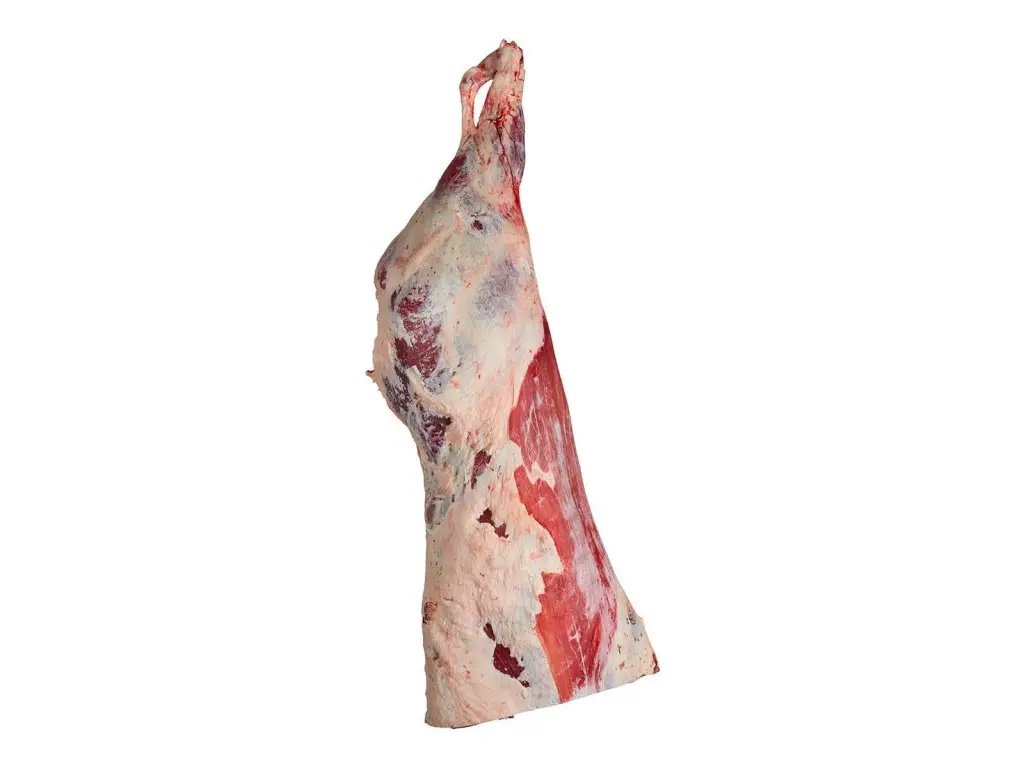
For a large group, whole primals and quarters are the best value. A bulk beef purchase such as a hindquarter gives you roasts, steaks and mince in one order. For smoking or slow roasting, compare brisket prices per kilo on cryovac cartons. As a Wagyu beef butcher, we also sell whole Wagyu rumps, which make a rich, tender roast.
Every roast is certified halal by Halal Control Australia. See our full halal beef range.
Roast beef questions
What temperature is best for roasting beef?
Start at 220°C for 15 minutes to brown the outside, then drop to 160°C. Use a thermometer: 52°C in the centre is rare, 57°C medium-rare and 63°C medium. The temperature rises by about 5°C while the roast rests.
Should I cover the roast with foil?
Not while it cooks, because foil traps steam and softens the crust. Cover it loosely with foil only while it rests, for 15 to 20 minutes, before you carve.
How do I carve roast beef?
Use a sharp, long knife and slice across the grain, about 5mm thick. Carving with the grain makes the meat chewy. Let the roast rest first, so the juices stay in the slices.
A few final roasting tips
Salt the roast generously and, if you have time, leave it uncovered in the fridge overnight; the surface dries, and the crust browns better. Always pat the meat dry before it goes into the oven, and sit it on a rack or a bed of roughly chopped onions so the base roasts instead of steams. Keep the pan juices for gravy: stir in a spoon of flour, add stock and simmer until glossy. Leftover roast beef makes excellent sandwiches the next day, sliced paper-thin against the grain.
Where to buy roast beef
If you are wondering where to buy roast beef cuts that are certified halal, you can order every joint in this guide from us online. If you prefer to buy roast beef online, our whole topside can be roasted whole for a crowd or cut into smaller joints and frozen. For a richer roast, the Wagyu topside roast MB9+ brings serious marbling to a lean cut. Everything is certified halal by Halal Control Australia and delivered chilled Australia-wide.
Browse the full halal beef range, or read our guide to halal beef cuts to see where each roasting joint comes from.