
Which is the best steak part of beef? Our halal beef cuts guide explains primals, steaks, roasts and mince, and how to cook and buy each cut.
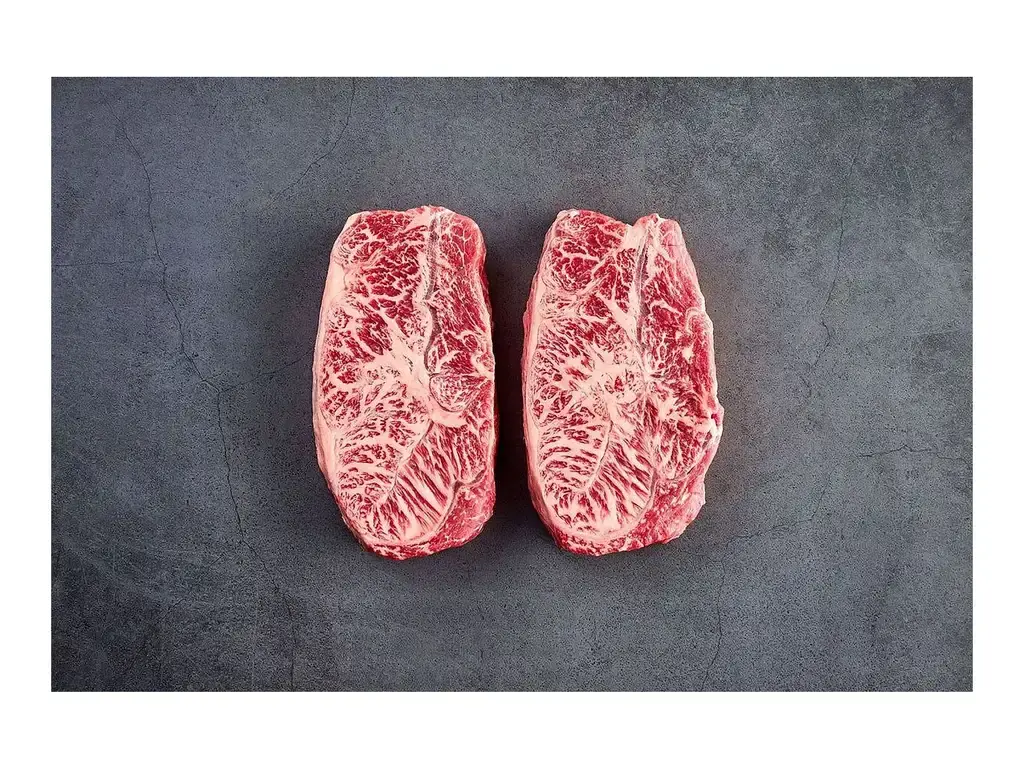
The best steak part of beef is the middle of the back, the rib and loin, where the muscles do little work and stay tender. Halal beef cuts can look confusing on a menu or a price list, but they all come from a handful of large sections called primals. Once you know where a cut comes from, you know how to cook it: muscles that work hard need slow cooking, and muscles that do little work can be cooked fast. This guide walks through the main halal beef cuts, what each one is best for, and how to buy them without overpaying.
How a beef carcass is divided
A beef side is split into the forequarter and the hindquarter. The forequarter — chuck, blade, rib, brisket and shin — holds hard-working muscles with plenty of flavour and connective tissue. The hindquarter — loin, rump and leg — holds the tender steaks and lean roasting cuts. Almost every cut you can buy comes from one of these primals.
The tender cuts: eye fillet, scotch fillet and sirloin
Eye fillet
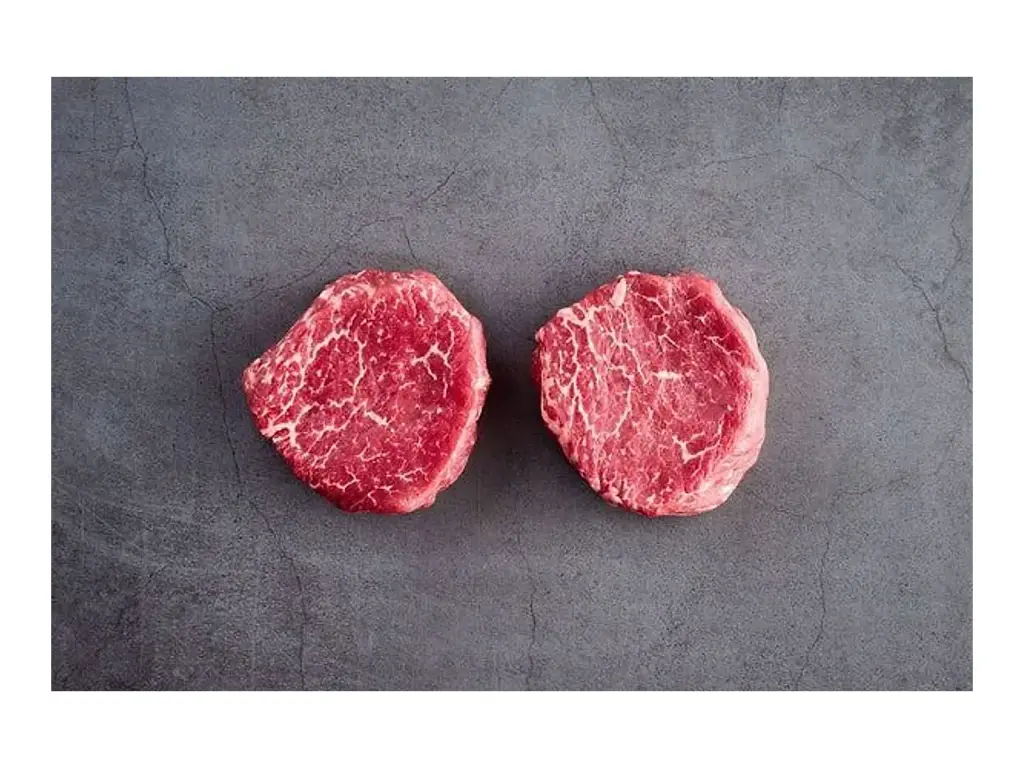
Eye fillet, also called tenderloin, runs underneath the backbone and does almost no work, which makes it the most tender cut on the animal. It is lean, so cook it fast and hot and serve it pink. Buy it as ready-cut beef eye fillet steaks or as a whole beef fillet to cut your own medallions and a centre roast.
Scotch fillet steak
A scotch fillet steak — called ribeye in many countries — comes from the boneless rib section. It carries more marbling than any other everyday steak, which keeps it juicy and forgiving on the grill. Our scotch fillet ribeye steaks come in 2kg packs, and the Wagyu versions on our Wagyu steak page take the marbling even further.
What is the sirloin steak?
What is the sirloin steak, and how does it relate to porterhouse? In Australia, porterhouse and sirloin describe the same steak: a cut from the striploin, the muscle that runs along the back between the rib and the rump. It has a firm, fine grain and a strip of fat along one edge. Our sirloin porterhouse steaks are the dependable all-rounder on any steak menu.
Sirloin vs scotch fillet: which should you choose?
The sirloin vs scotch fillet decision comes down to texture and richness. Scotch fillet is more marbled, softer and richer; sirloin is leaner with more bite and a cleaner beef flavour. For a crowd that likes medium to well-done steaks, scotch fillet stays juicier. For guests who prefer medium-rare and a firm bite, sirloin is the better match. If you want both in one steak, the T-bone gives you sirloin on one side of the bone and a piece of fillet on the other.
How to cook scotch fillet (and other tender steaks)
Here is how to cook scotch fillet so it stays juicy every time:
- Take the steak out of the fridge 30 minutes before cooking and pat it dry.
- Season generously with salt just before it goes in the pan.
- Get a heavy pan or grill very hot, and oil the steak rather than the pan.
- Cook about three minutes a side for medium-rare on a 2.5cm steak, turning once or twice.
- Rest the steak for five minutes, then slice across the grain.
The same method works for sirloin and eye fillet; eye fillet needs a little less time because it has almost no fat.
Halal steak on a budget: rump and the forequarter
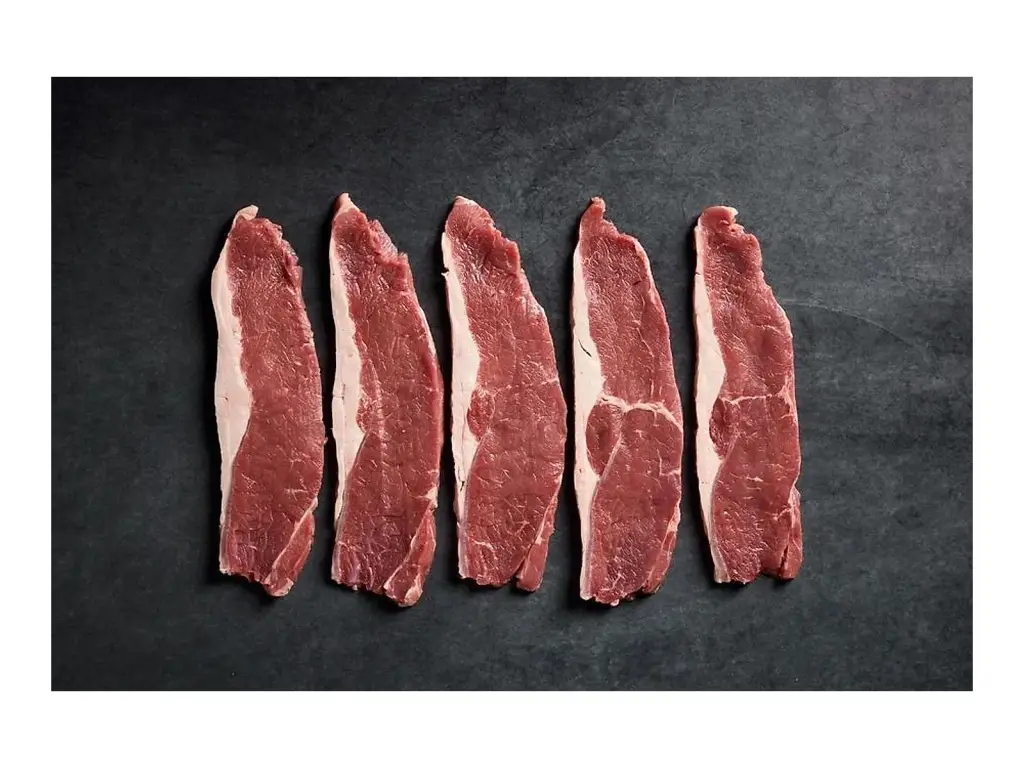
Good halal steak does not have to mean the most expensive cuts. Rump steaks come from the hip and have more beefy flavour than loin steaks, at a lower price per kilo. A beef rump portion is the best-value cut for restaurants: split it into steaks, keep the cap for skewers and cube the trim for kebabs. From the forequarter, flat iron steak cut from the oyster blade is surprisingly tender and well priced.
Slow-cooking cuts: brisket, shin, short ribs and oxtail
Brisket comes from the chest and is full of connective tissue. Cooked low and slow — smoked for ten hours or braised for three to four — it becomes meltingly tender, and it is the classic cut for nihari. If you want to buy beef brisket for smoking, choose a whole brisket with both the point and the flat.
Osso buco, short ribs and oxtail all reward long, gentle cooking. Their collagen melts into the sauce, giving curries and stews a rich, glossy body that lean cuts cannot.
Mince, diced and stir-fry
For everyday cooking, premium beef mince, diced beef and stir-fry strips save prep time. Buying 3–5kg packs and freezing them in meal-sized portions is the cheapest way to keep a family kitchen stocked. Extra lean beef mince suits sauces and keema where you want less fat in the pan.
Understanding beef prices per kilo
Comparing prices per kilo, not per pack, is the fairest way to shop. The beef eye fillet price per kilo will always sit near the top of the range because there is so little of it on each animal, while chuck, gravy beef and brisket sit at the bottom. Every product page on our site shows both the pack price and the price per kilo, so you can compare cuts directly.
What marble score means for Wagyu
Wagyu is graded by marble score — how much fine fat runs through the muscle. A score of 9 plus is heavily marbled and rich, so smaller portions go further. Our Wagyu scotch fillet MB5+ is best seared briefly, while Wagyu brisket MB9+ stays moist through a long smoke.
Storing and freezing beef
Keep fresh beef in the coldest part of the fridge and cook steaks within a few days. For bulk packs, divide the meat into meal-sized portions, wrap tightly to keep air out and freeze flat so it thaws evenly. Always thaw beef in the fridge overnight rather than on the bench, and never refreeze meat that has been thawed raw.
Steak comparisons: which tender cut suits you?
Most steak questions come down to three cuts from that middle section, plus rump from the hip. The comparisons below answer the ones we hear most often. Our eye fillet vs scotch fillet guide goes deeper on the premium steaks.
Eye fillet vs scotch fillet vs ribeye
Start with naming. In Australia, scotch fillet and ribeye are the same muscle: ribeye usually means it is sold on the bone, scotch fillet off the bone. So eye fillet vs scotch fillet vs ribeye is really a two-way choice. Eye fillet is the most tender, with very little fat and a mild flavour. Scotch fillet has more marbling and more flavour, and it is more forgiving if you cook it a little past medium-rare. On scotch fillet vs eye fillet, choose eye fillet for tenderness and scotch for flavour. Our Wagyu scotch fillet vs eye fillet cuts make the difference even clearer, because marbling exaggerates it.
Sirloin, striploin and New York cuts
Sirloin, porterhouse and striploin are names for the same loin muscle. That makes new york striploin vs sirloin a question of trimming and thickness, not a different cut. Striploin vs sirloin is the same story; see our striploin vs sirloin guide for the details. Eye fillet vs sirloin is a real choice: the fillet is softer, while sirloin has a firmer bite, a strip of fat along one edge and more beefy flavour. On sirloin vs scotch fillet, scotch is juicier and sirloin leaner.
Rump steak vs scotch fillet
Rump steak vs scotch fillet is a choice between value and richness. Rump is lean, full of flavour and usually cheaper per kilo, but it is firmer, so slice it thinly across the grain. On scotch fillet vs rump for a barbecue crowd, rump feeds more people for the money and scotch gives a more indulgent steak.
Budget steaks from the forequarter
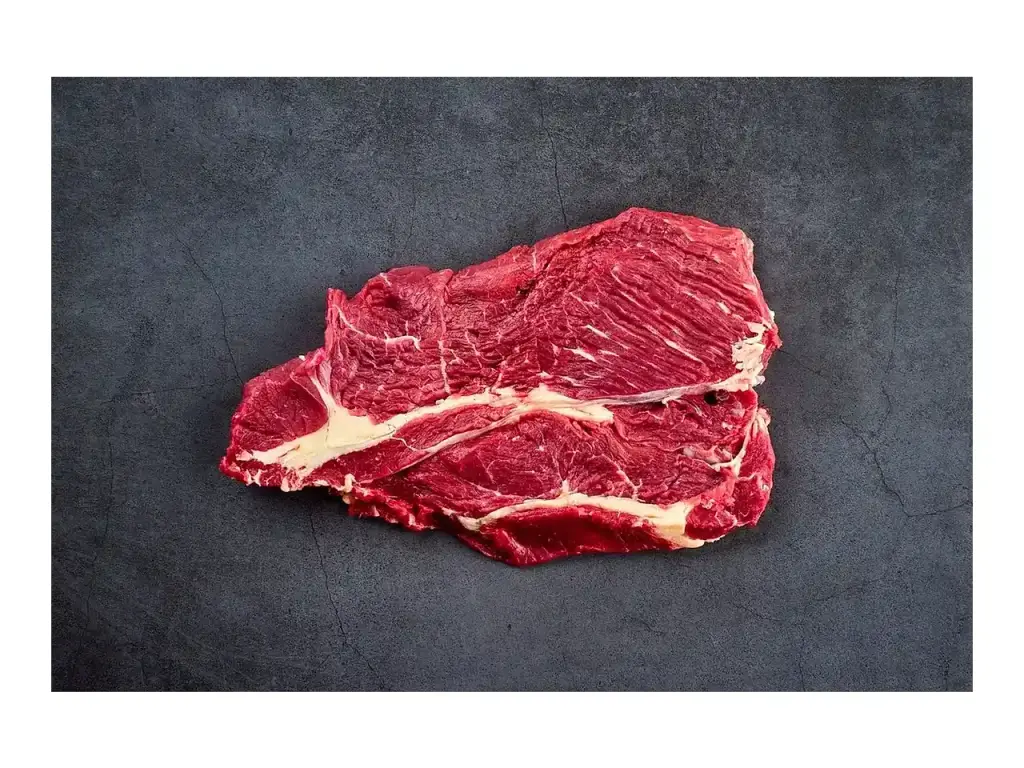
Some of the best value steaks come from the shoulder. A beef blade steak is tender if it is cut thin and cooked fast, or perfect for slow braising if it is cut thick. A beef chuck steak is the classic stewing steak, rich with connective tissue that melts after a few hours. If you want a premium grain-finished option, an angus steak gives you more marbling than standard grades. For a quick weeknight dinner, minute steaks cook in a minute a side; if you've been looking to buy porterhouse steak near me, our porterhouse minute steaks are delivered across Sydney and Australia-wide.
Veal meat vs beef
Veal meat vs beef is a question of age. Veal comes from young cattle, so it is paler, finer-grained and milder, with less fat. Beef from older animals has a deeper colour and stronger flavour. Veal suits schnitzel, osso buco and quick pan-frying; beef suits everything from steaks to long braises. You can browse every cut in our halal beef range, grouped by how you cook it.
Beef cut questions we hear every week
How much steak should I buy per person?
Plan on 200 to 250g of boneless steak per adult, or 350 to 400g for a bone-in cut like a T-bone. Big eaters and barbecues call for more. Steaks cut thicker than 3cm are better shared and sliced.
Should I buy steak fresh or freeze it?
Fresh steak cooks best within three days of arriving. If you will not use it that quickly, freeze it flat in its sealed pack on day one, then thaw it overnight in the fridge. Frozen steak keeps its quality for around three months.
Is a more expensive cut always better?
No. Eye fillet is the most tender, but scotch fillet and rump have more flavour, and slow-cooking cuts like chuck and brisket beat any steak in a braise. The best cut is the one that suits your cooking method.
Buying whole primals saves money
If you run a kitchen, buying whole primals and portioning them yourself is almost always cheaper per kilo than buying cut steaks — and you control the thickness. Our wholesale cartons include cryovac rump, striploin and brisket by the carton. Browse the full halal beef range to compare every cut, or open a halal meat wholesale account for regular orders.
Further reading: AUS-MEAT maintains the national meat language — the standard cut names and marble scores used across the Australian beef industry — and Meat & Livestock Australia publishes industry information on Australian beef.