
Eye fillet vs scotch fillet vs porterhouse: where each steak comes from, how they taste and cook, how they compare on price, and which one to buy.
Eye fillet vs scotch fillet is the steak question we hear most. Scotch fillet vs porterhouse is the question we hear most from customers standing over a steak order, closely followed by "is eye fillet worth the extra?" All three are premium cuts from the middle of the animal, all three cook fast, and all three make a great dinner. They are not interchangeable, though. Each one has its own texture, fat level and price, and picking the right one for the job is the easiest way to get a better steak without spending more. This guide compares them side by side and finishes with cooking times and buying tips.
Where the three steaks come from
Picture the long muscles running along the back of the animal. Toward the front sits the rib section, which gives us scotch fillet. Behind it runs the striploin, which gives us porterhouse (called sirloin in many countries). Underneath the striploin, tucked against the backbone, sits the tenderloin, which gives us eye fillet. Because none of these muscles does much work, all three are tender. The differences come from how much fat runs through each one and how fine the grain is.
Beef scotch fillet: the juicy, forgiving steak
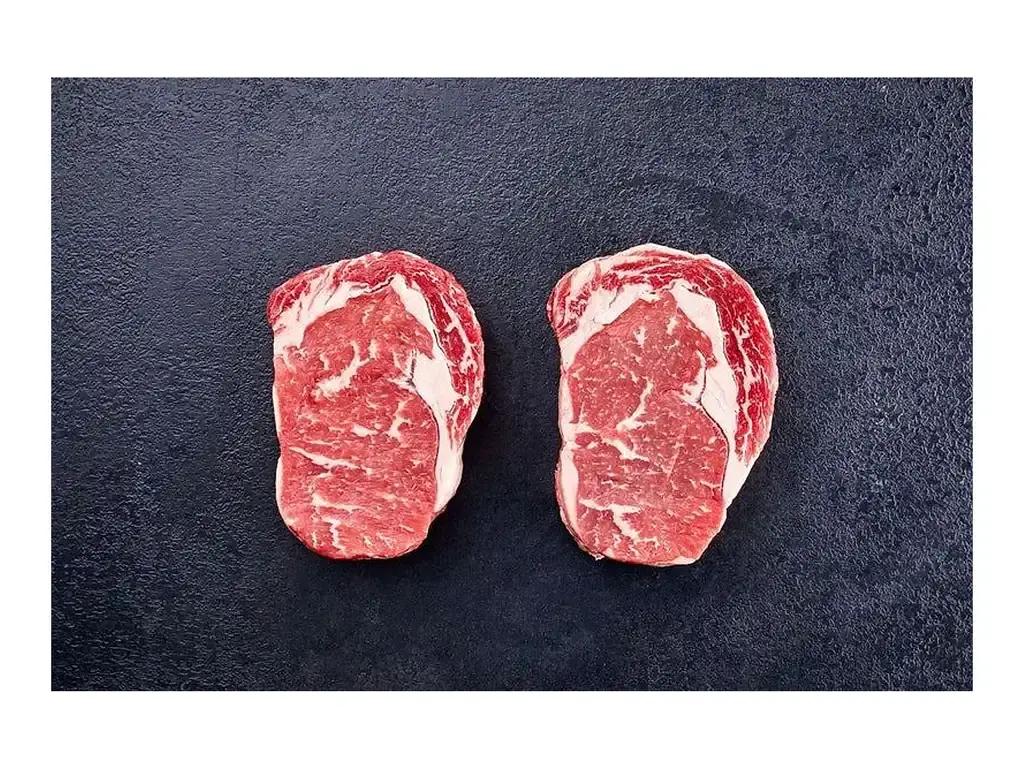
A beef scotch fillet is the boneless rib-eye. It has the most marbling of the three, often with a visible "eye" of fat in the centre, and that fat is what makes it so forgiving. It stays juicy at medium and even medium-well, which makes it the safest choice for a mixed table where some people like their steak pink and others do not. The flavour is rich and buttery. On a barbecue or chargrill, the fat caramelises on the outside and bastes the meat from within.
Choose scotch fillet ribeye steaks when you want a crowd-pleaser, when the grill is very hot and hard to control, or when guests prefer their steak cooked past medium-rare. For something richer still, the marbled Wagyu cuts on our Wagyu steak page take the same muscle further.
Porterhouse: firm, beefy and great value
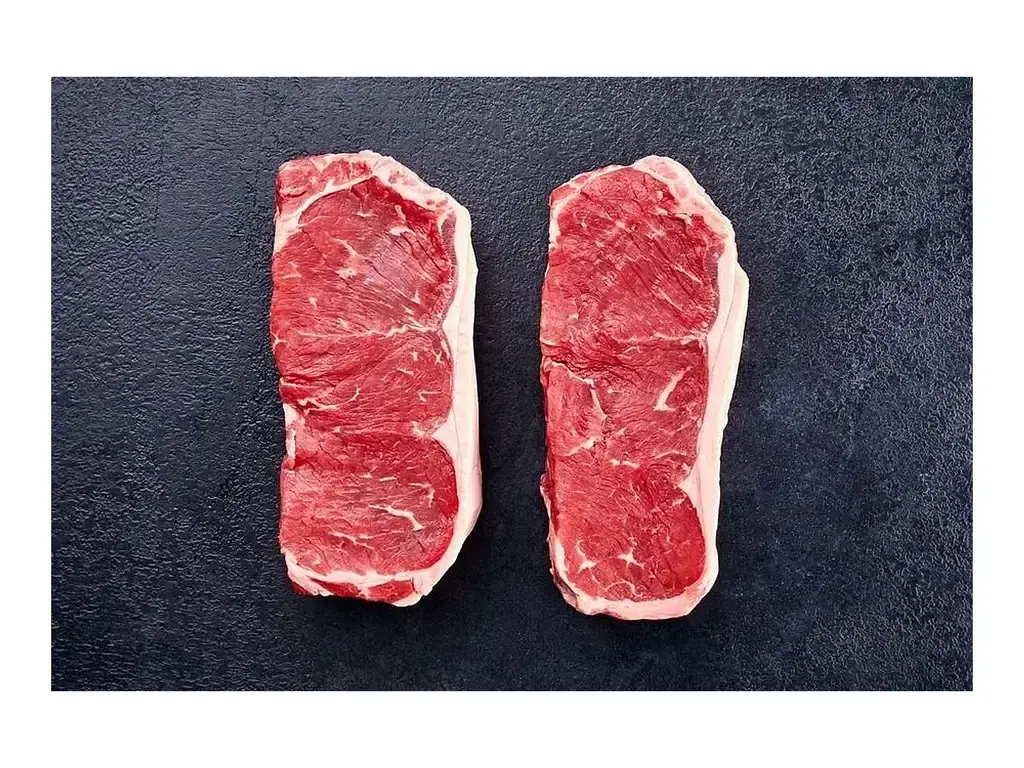
Porterhouse has a firmer, tighter grain and a strip of fat along one edge rather than through the middle. It has more chew than scotch fillet and a cleaner, more pronounced beef flavour. Many steak lovers actually prefer it for that reason: every bite tastes of beef rather than of fat. Porterhouse is at its best cooked rare to medium-rare. Pushed to well-done, the lean centre dries out faster than a scotch fillet would.
Because it slices neatly and holds its shape, porterhouse is also the steak to choose for slicing over salads, steak sandwiches and stir-fries. Our sirloin porterhouse steaks are cut from the striploin, and kitchens that portion their own can buy a porterhouse portion and cut steaks to any thickness. The sirloin steak price per kilo usually sits below scotch fillet and well below eye fillet, which makes porterhouse the value pick of the three.
Striploin vs scotch fillet: the short answer
Striploin vs scotch fillet is the same comparison under different names, because striploin is the whole muscle that porterhouse steaks are cut from. Choose striploin (porterhouse) for a firmer bite, cleaner flavour and neat slices; choose scotch fillet for juiciness and richness. If you cannot decide, a T-bone steak gives you striploin on one side of the bone and a small piece of eye fillet on the other.
Eye fillet steak: the most tender cut
An eye fillet steak comes from the tenderloin, the muscle that does the least work of any on the animal. That makes it the most tender steak you can buy: it cuts with the side of a fork. The trade-off is flavour and fat. Eye fillet is very lean and mild, so it relies on a good crust, a little salt and a simple sauce to shine. It is the steak for special occasions, for guests who dislike visible fat, and for anyone who values tenderness above all else.
There is only a small amount of tenderloin on each animal, which is why eye fillet always costs the most per kilo. Overseas it is sold as beef tenderloin, and the beef tenderloin price is the highest of any cut for the same reason. If you want to buy eye fillet online for a dinner party, ready-cut beef eye fillet steaks save time, while a whole beef fillet is cheaper per kilo and gives you medallions, a centre roast and trim for stir-fries.
Side-by-side comparison
- Tenderness: eye fillet first, scotch fillet second, porterhouse third.
- Flavour: porterhouse and scotch fillet are both rich; eye fillet is the mildest.
- Fat: scotch fillet has the most marbling, porterhouse has an outside fat cap, eye fillet is very lean.
- Best doneness: eye fillet and porterhouse rare to medium-rare; scotch fillet copes well up to medium-well.
- Price per kilo: porterhouse lowest, scotch fillet in the middle, eye fillet highest.
How to cook each steak
All three follow the same basic method: take the steak out of the fridge 30 minutes early, pat it dry, salt it well, and cook it in a very hot heavy pan or on a hot grill. What changes is the timing and how you finish it.
- Scotch fillet (2.5cm): about 3 minutes a side for medium-rare, then render the fat edge against the pan for a minute.
- Porterhouse (2.5cm): stand it on its fat strip for a minute to render it, then about 3 minutes a side.
- Eye fillet (4cm medallion): sear about 3 minutes a side, then finish in a 200°C oven for 3–5 minutes.
Rest every steak for at least five minutes before slicing, and always slice porterhouse across the grain. A probe thermometer takes out the guesswork: pull the steak at about 52°C for rare, 55°C for medium-rare and 60°C for medium; the temperature rises a few degrees as it rests.
Eye fillet recipes and serving ideas
Because it is so mild, eye fillet suits bold sauces. Our favourite eye fillet recipes are simple: a peppercorn sauce made with cream and cracked pepper; a mushroom sauce made with butter, garlic and thyme; or a chimichurri of parsley, garlic, olive oil and lemon. For a dinner party, a beef eye fillet roast is hard to beat. Tie a 1–1.5kg centre piece with string so it cooks evenly, brown it all over in a hot pan, then roast at 200°C until it reaches 52–55°C in the centre — usually 20 to 30 minutes. Rest it for ten minutes and slice into thick rounds.
Scotch fillet needs very little: salt, pepper and a hot grill, with a dollop of garlic butter at the end. Porterhouse shines thinly sliced over a salad of rocket, tomatoes and shaved parmesan, or in a steak sandwich with caramelised onions.
Which steak should you buy?
- Weeknight dinner or a big barbecue: porterhouse — great flavour at the best price.
- Mixed crowd with different doneness preferences: scotch fillet — it stays juicy even when cooked longer.
- Special occasion, guests who avoid fat, or a centrepiece roast: eye fillet.
- Restaurant or catering kitchen: buy whole primals and portion them yourself to control cost and thickness.
Steak names that cause confusion
Is rib eye and scotch fillet the same? Yes: in Australia, scotch fillet is the boneless rib eye, and rib fillet is another name for it. So rib fillet vs scotch fillet is the same steak under two names. Eye fillet vs ribeye and eye fillet vs rib eye are the real comparison: the fillet is leaner and softer, while the rib eye has more marbling and flavour. Filet mignon vs eye fillet is also a naming question: filet mignon is a steak cut from the narrow end of the eye fillet.
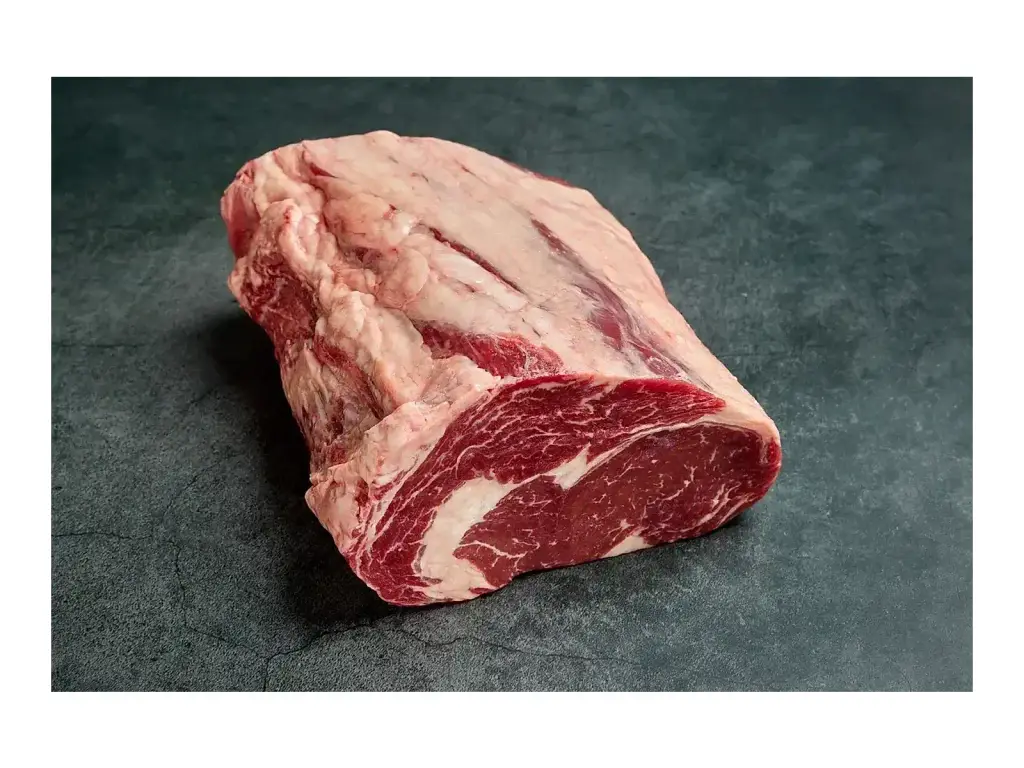
Wagyu cube roll is the whole boneless rib eye from Wagyu cattle, the piece that is sliced into Wagyu scotch fillet steaks. You can buy a whole scotch fillet and cut your own steaks at home, which is often cheaper per kilo.
Is porterhouse or scotch fillet better?
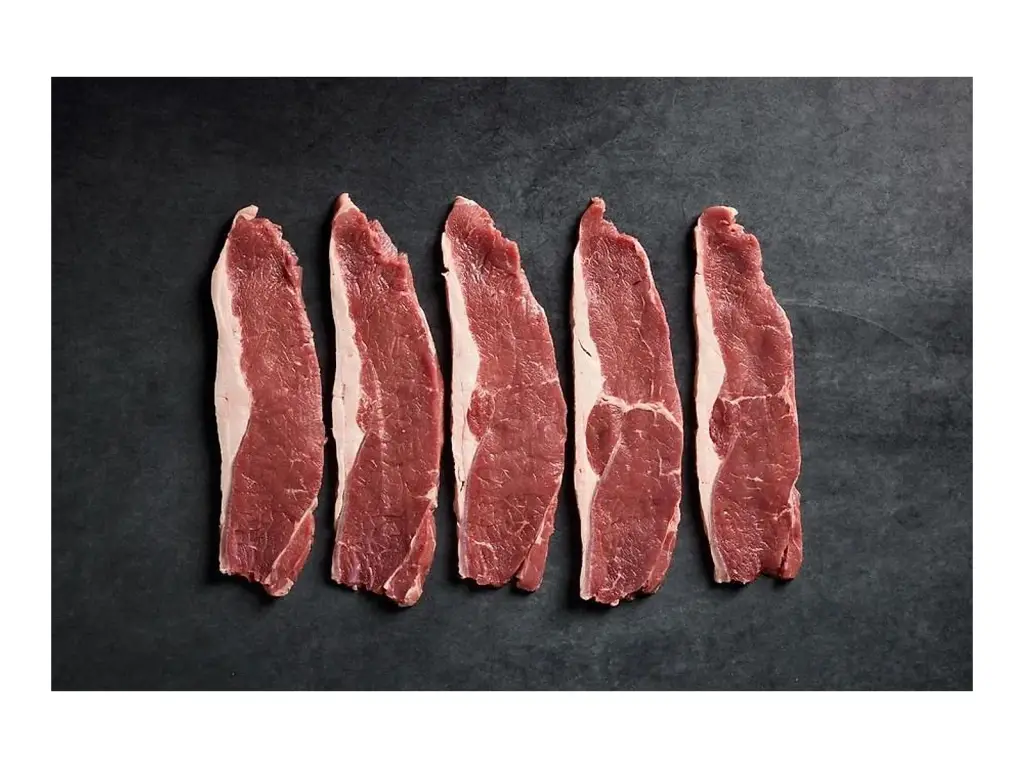
Is porterhouse or scotch fillet better? It depends on what you value. Scotch fillet is juicier and more forgiving, so it is the safer choice for a family barbecue. Porterhouse is leaner and firmer, with a strip of fat that bastes it as it cooks, and the porterhouse steak price is usually a little lower. If you want the thin-cut version for quick dinners, you can buy porterhouse steak near me as minute steaks, delivered across Sydney.
Wagyu versions of each steak
Marbling changes each steak. A Wagyu eye fillet gains flavour without losing tenderness, and Wagyu beef porterhouse becomes much richer than standard porterhouse. Cook Wagyu hot and fast in a dry pan, and serve it no further than medium. A classic scotch fillet is still our best-selling steak, and you can browse every cut in our halal beef range.
Steak buying questions
What thickness is best?
For scotch fillet and porterhouse, 2.5 to 3cm is ideal: thick enough to get a crust and stay pink inside. Eye fillet is usually cut thicker, 4 to 5cm, because it is so lean.
Should I buy bone-in or boneless?
Bone-in steaks like a cattleman's cutlet cook a little slower and stay juicier near the bone. Boneless steaks are easier to carve and cook evenly. For a first purchase, boneless is the simpler choice.
How long should I rest a steak?
Rest it for about half the cooking time, usually five minutes. The juices settle back through the meat instead of running onto the plate. Tent the steak loosely with foil to keep it warm.
Buying halal steak from Halal Meat Depot
Every steak we sell is certified halal by Halal Control Australia and packed chilled at our Greenacre, Sydney depot for delivery Australia-wide. Each product page shows both the pack price and the price per kilo, so you can compare the three cuts fairly. Browse the full halal beef range, or read our guide to halal beef cuts for the rest of the animal.