
Striploin vs sirloin vs porterhouse vs rump: which names mean the same steak, how they differ in tenderness, flavour and price, and which one to buy.
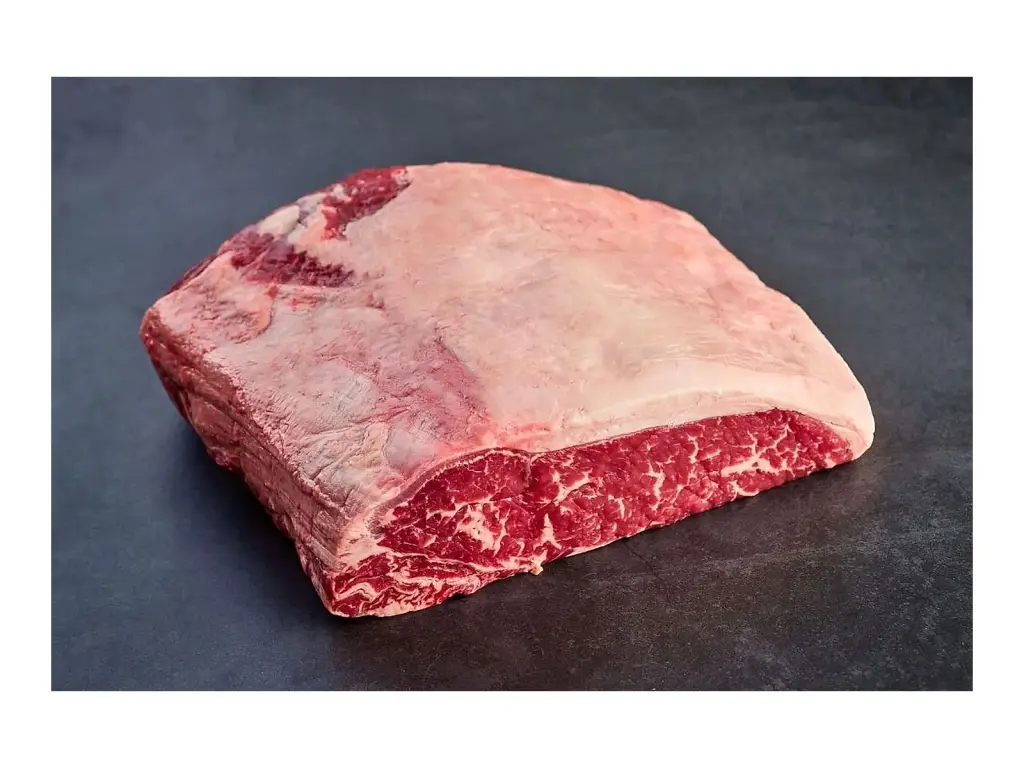
Striploin vs sirloin is the easiest steak question to answer, because they are the same cut. Sirloin vs porterhouse is one of the most confusing comparisons on any steak menu, because the answer depends on which country you are in. Add rump to the mix and most people are not sure which steak they are actually buying. This guide clears it up: where each cut sits on the animal, how they compare on tenderness, flavour and price, and how to cook each one so it shines.
Sirloin vs porterhouse: the naming problem
In Australia, porterhouse and sirloin are two names for the same steak. Both are cut from the striploin, the long muscle that runs along the back between the rib (where scotch fillet comes from) and the rump. Butchers, restaurants and supermarkets use the names interchangeably, so a "sirloin steak" and a "porterhouse steak" on an Australian menu are the same cut.
Overseas it is different. In the United States, a "porterhouse" is a large bone-in steak with a strip of striploin on one side of a T-shaped bone and a large piece of tenderloin on the other — what Australians would call a big T-bone. American "sirloin" is cut further back, closer to what we call rump. If you follow an American recipe, keep that in mind before you buy.
What is rump steak?
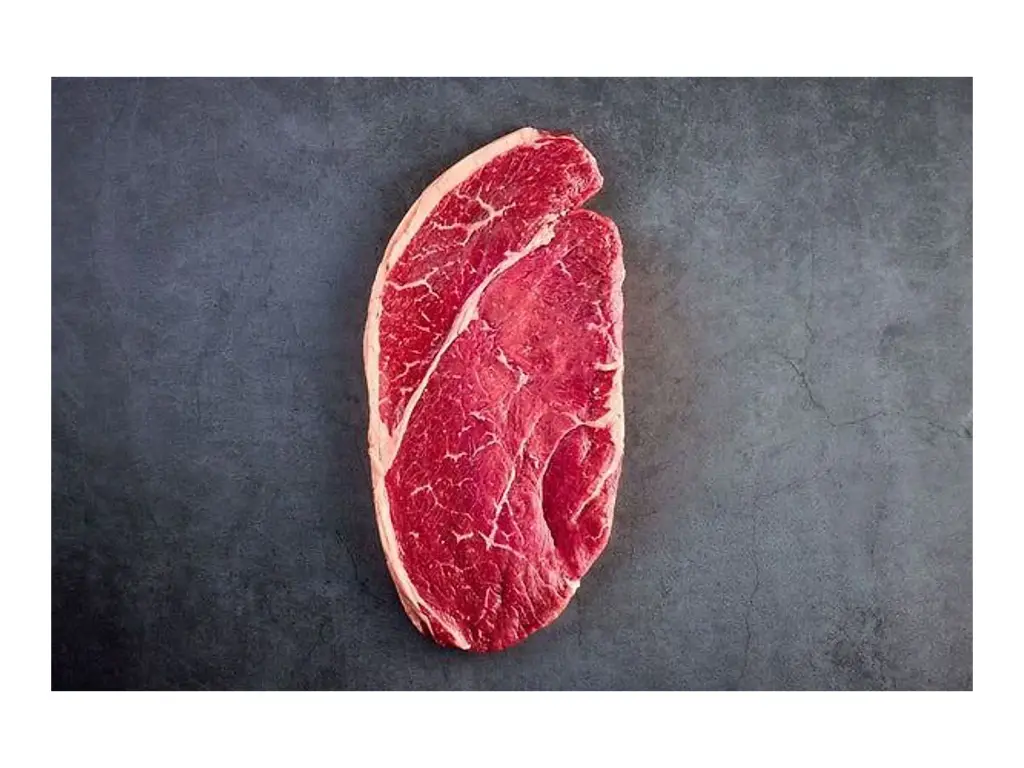
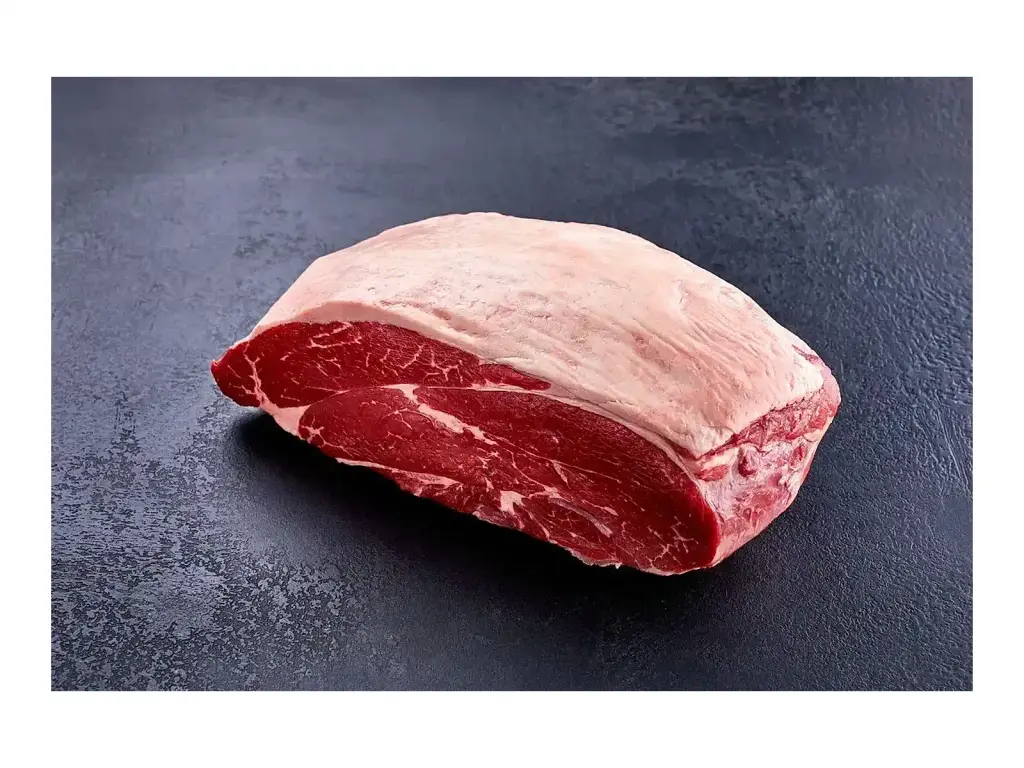
Rump comes from the hip, behind the striploin. It is made up of several muscles that do more work than the loin, so it is a little firmer, with a pronounced, beefy flavour that many steak lovers prefer to more expensive cuts. A whole rump is usually broken down into a few distinct pieces:
- Rump eye steak: the most tender, evenly shaped part of the rump, cut into neat round steaks. It is the closest rump gets to loin tenderness.
- Beef rump cap: the triangular muscle on top of the rump with a thick fat cap, known as picanha in Brazil. It is superb roasted whole or skewered and grilled with the fat on.
- Rump centre and knuckle: firmer pieces ideal for minute steaks, skewers, stir-fries and slicing thin.
Sirloin vs rump: tenderness, flavour and price
The sirloin vs rump decision is a trade-off between tenderness and flavour. Sirloin (porterhouse) is more tender and evenly textured, with a fine grain and a strip of fat along one side. Rump has more chew but a deeper, more robust beef flavour, and it costs less per kilo. Think of sirloin as the polished all-rounder and rump as the flavour pick.
- Tenderness: sirloin is more tender; rump eye comes close; other rump muscles are firmer.
- Flavour: rump is beefier; sirloin is clean and balanced.
- Fat: sirloin has an external fat strip; rump is leaner apart from the cap.
- Price: rump is usually the cheaper of the two per kilo.
- Best doneness: both are at their best rare to medium-rare.
Rump versus sirloin for restaurants
For kitchens, the rump versus sirloin choice often comes down to cost per plate. A whole rump can be broken down into several cuts — premium steaks from the eye, a cap for roasting, and trim for skewers or mince — which makes it one of the best-value primals a restaurant can buy. A whole beef sirloin (striploin) yields uniform steaks with almost no waste, which suits a menu where every plate must look the same.
Where does T-bone fit in?
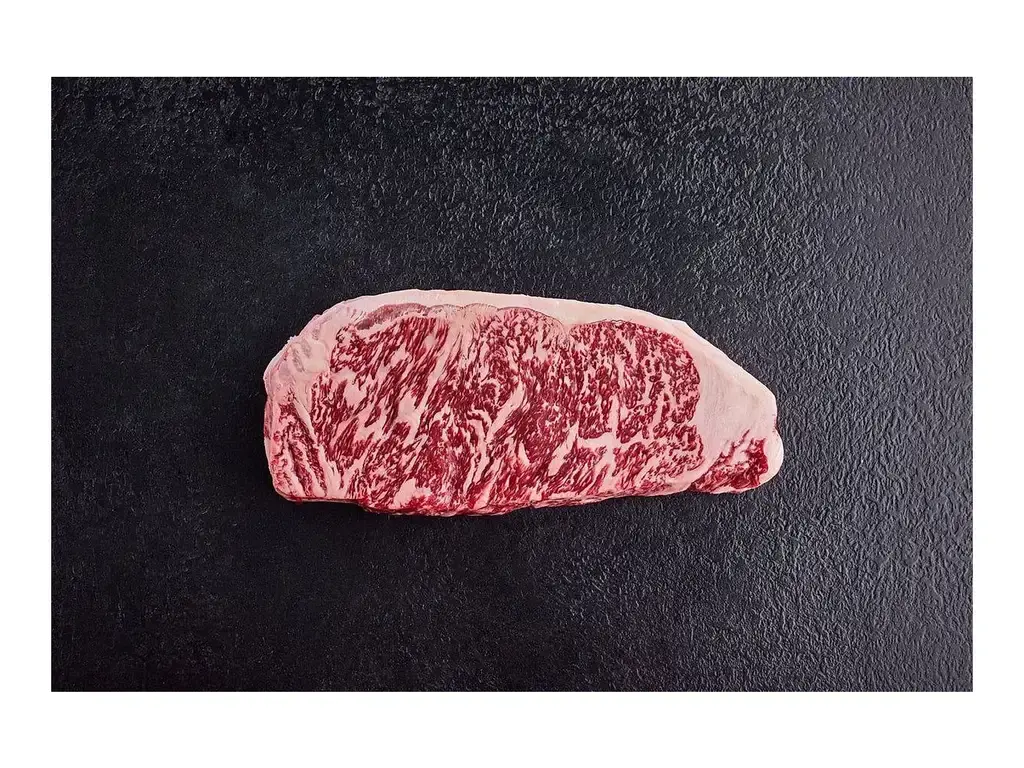
A T-bone is a cross-section of the striploin cut with the bone left in, with a small piece of tenderloin on the other side of the bone. In other words, a T-bone is a bone-in sirloin with a bonus piece of eye fillet. The bone adds flavour and helps the steak hold its shape on the grill. Our T-bone steaks are a good choice when you cannot decide between sirloin and fillet.
How to cook sirloin and rump
Both steaks love high heat. Bring them to room temperature for 30 minutes, pat them dry and salt them generously just before cooking. For a 2.5cm steak, sear in a very hot pan or on a grill for about three minutes a side for medium-rare, then rest for five minutes.
- Sirloin: stand it on its fat strip for a minute first to render the fat and crisp the edge.
- Rump: slice it thinly across the grain after resting; this makes even firmer rump pieces eat tenderly.
- Rump cap: score the fat, salt it well and roast whole at 200°C until 55°C in the centre, or cut into thick slices, fold onto skewers and grill fat side first.
Beef rump recipes worth trying
Rump's strong flavour stands up to bold marinades, which makes it the most versatile of the two. These beef rump recipes are regulars in our kitchen:
- Garlic and herb rump: marinate in olive oil, crushed garlic, rosemary and lemon, then grill and slice over a potato salad.
- Beef kebabs: cube rump, marinate in yoghurt, cumin, paprika and garlic, and grill on skewers with onion and capsicum.
- Steak and rocket salad: sear rump, slice thin and toss with rocket, cherry tomatoes, shaved parmesan and balsamic-free lemon dressing.
- Quick beef stir-fry: slice rump into thin strips, toss in a hot wok with broccoli, garlic, ginger and oyster sauce.
Which should you buy?
Choose sirloin (porterhouse) for a reliable, tender steak with a clean flavour and neat presentation. Choose rump when flavour matters more than tenderness, when you are feeding a crowd, or when the steak will be sliced, skewered or marinated. Many families keep both in the freezer: sirloin for steak nights and rump for barbecues and kebabs.
Striploin, sirloin and porterhouse: one cut, three names
Striploin steak vs sirloin: in Australia, both names describe the boneless steak cut from the short loin. Striploin versus sirloin is a naming choice, not a difference in the meat. Porterhouse is the same steak again. The only real variation is the "tip": striploin vs sirloin tip is a different comparison, because sirloin tip in American butchery comes from the round, near the hip, and is leaner and firmer. A porterhouse steak cut from the loin is what most Australian recipes mean by sirloin.
Sirloin vs ribeye
Sirloin vs ribeye is the comparison that matters most when you're choosing a steak. Ribeye (scotch fillet) has more marbling, so it is juicier and more forgiving. Sirloin is leaner, with a firmer bite and a band of fat along one edge. On rib eye steak vs sirloin steak for a barbecue, ribeye is the safer choice for mixed doneness. Sirloin steak vs ribeye steak on price usually favours sirloin by a few dollars a kilo. Sirloin steak vs ribeye on flavour is closer than you might think: sirloin has a cleaner, beefier taste.
Sirloin vs ribeye vs filet adds the eye fillet: the most tender of the three, the leanest and the most expensive. Choose fillet for tenderness, ribeye for juiciness and sirloin for a balance of flavour and value.
Rump vs sirloin
Rump vs sirloin comes down to budget and texture. Rump is a little firmer and has more flavour, and the rump steak price is usually lower. Slice it thinly across the grain. A rump medallion is cut from the most tender part of the rump and is a good middle ground. For a premium option, a Wagyu rump steak has much more marbling than standard rump.
Wagyu loin steaks
Wagyu changes the comparison. Wagyu beef porterhouse is so well marbled that it eats more like a ribeye than a standard sirloin. Cook it in a dry, hot pan, render the fat strip first, then sear both sides. Every steak here is certified halal by Halal Control Australia, and you can see them all on our halal beef page.
Sirloin, porterhouse and rump questions
Is T-bone the same as porterhouse?
A T-bone includes a piece of fillet on one side of the bone and striploin on the other. A porterhouse is cut from the same area but with a larger fillet portion. In Australia, "porterhouse" usually means the boneless striploin.
How do I cook rump so it is not tough?
Do not cook it past medium, rest it well and slice it thinly across the grain. Marinating for an hour or two in oil, garlic and a little acid also helps.
What is the best steak for a budget?
Rump gives the best flavour for the price, and porterhouse is a close second. Both reward careful cooking and slicing. Buying a whole piece and cutting your own steaks is cheaper again.
Buying halal sirloin and rump
Our sirloin porterhouse steaks and rump steaks are certified halal by Halal Control Australia and delivered chilled Australia-wide, so you can order rump beef without a trip to the butcher. Most beef rump steak recipes need only a quick marinade and a hot pan. For kitchens that portion their own, we sell a beef rump portion, the rump cap, a whole Angus rump and cryovac striploin by the carton. Compare every cut in the halal beef range, and see our scotch fillet vs porterhouse guide for how the loin steaks compare with the rib.