
Beef rib eye rib roast guide: how to choose, season and roast a standing rib roast, scotch fillet comparisons, tomahawk steaks and Wagyu ribeye options.
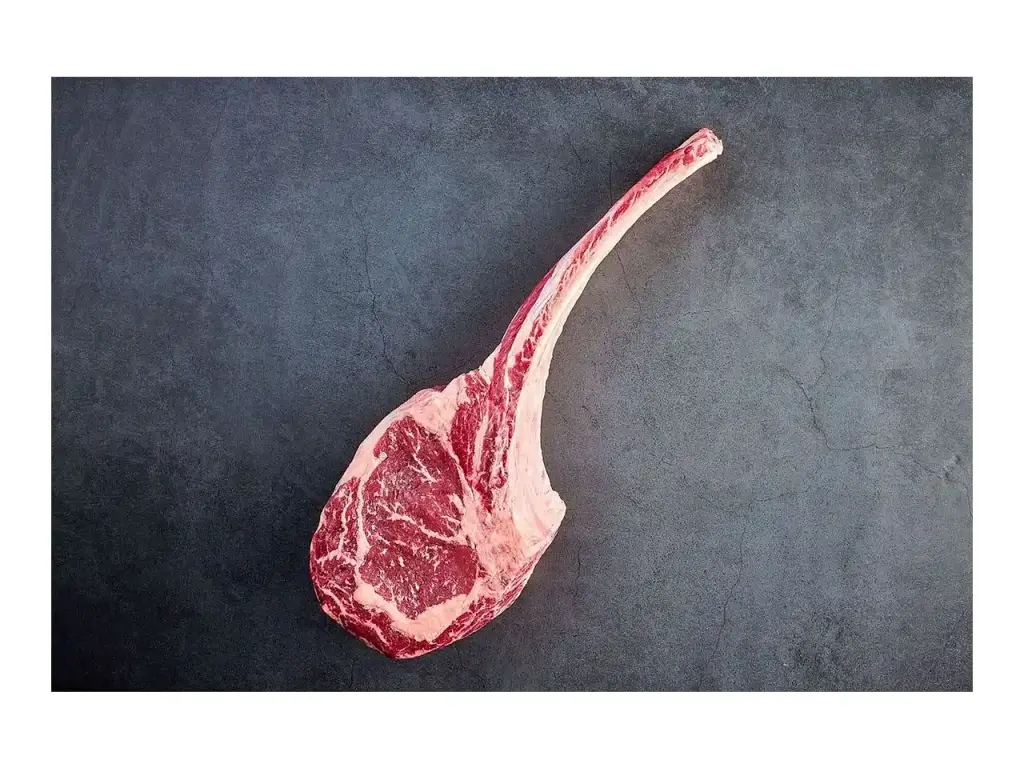
A beef rib eye rib roast is the king of the roasting table: a thick, bone-in joint with a rich crust and a juicy, pink centre. It is the roast for Christmas, Eid feasts, birthdays and any occasion that deserves a showpiece. It is also easier than it looks. This guide explains the cuts, how to season and roast it, how to carve it, and how it compares with scotch fillet, porterhouse and tomahawk.
Rib eye, scotch fillet and rib roast: the names
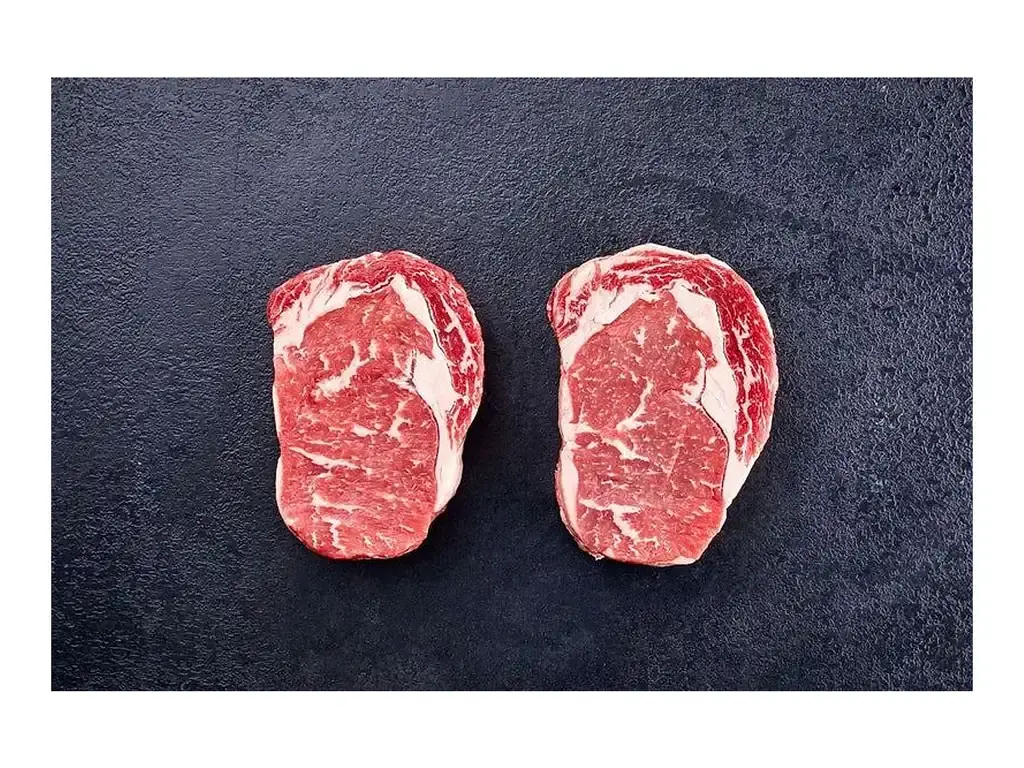
In Australia, scotch fillet is the boneless rib eye, and a rib roast is the same muscle left on the bone. Cut into steaks, the bone-in version is called a ribeye or cattleman cutlet; sold whole, it is a standing rib roast. The flavour is rich and juicy, with generous marbling. If you are buying steak, the scotch fillet steaks are the boneless version, and a whole scotch fillet can be roasted as a boneless joint.
Search terms such as scotch fillet steak and beef scotch fillet refer to the same cut. For a comparison, see our guides on eye fillet vs scotch fillet, and the related questions of rib eye vs eye fillet: rib eye vs eye fillet is a question of marbling versus tenderness.
Other steak comparisons worth knowing: porterhouse vs scotch fillet, where porterhouse is leaner and firmer; scotch fillet vs porterhouse, the same question reversed, and sirloin vs scotch fillet, where scotch is juicier. The question of scotch fillet vs eye fillet usually ends with scotch for flavour. For a luxury choice, a Wagyu scotch fillet cut on the bone is a cattleman cutlet, and a Wagyu ribeye in MB5+ is an indulgent steak.
Buying a rib roast and tomahawk steaks
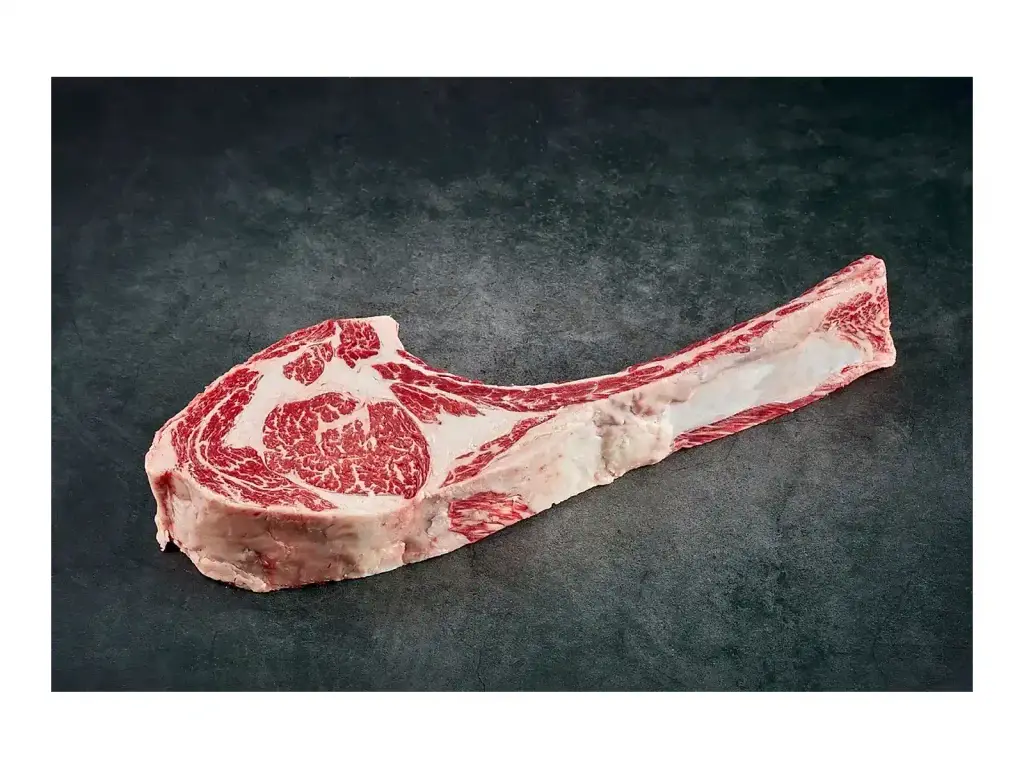
For a roast, ask for a two- or three-bone piece, which feeds four to six. Our Angus standing rib roast is a classic. For steak lovers who want something dramatic, buy tomahawk steak in Wagyu, or search for a tomahawk steak near me and you will find our MB9+ tomahawk. A tomahawk is a rib eye with a long frenched bone, ideal for sharing. All are certified halal by Halal Control Australia and delivered chilled. Browse the full halal beef range.
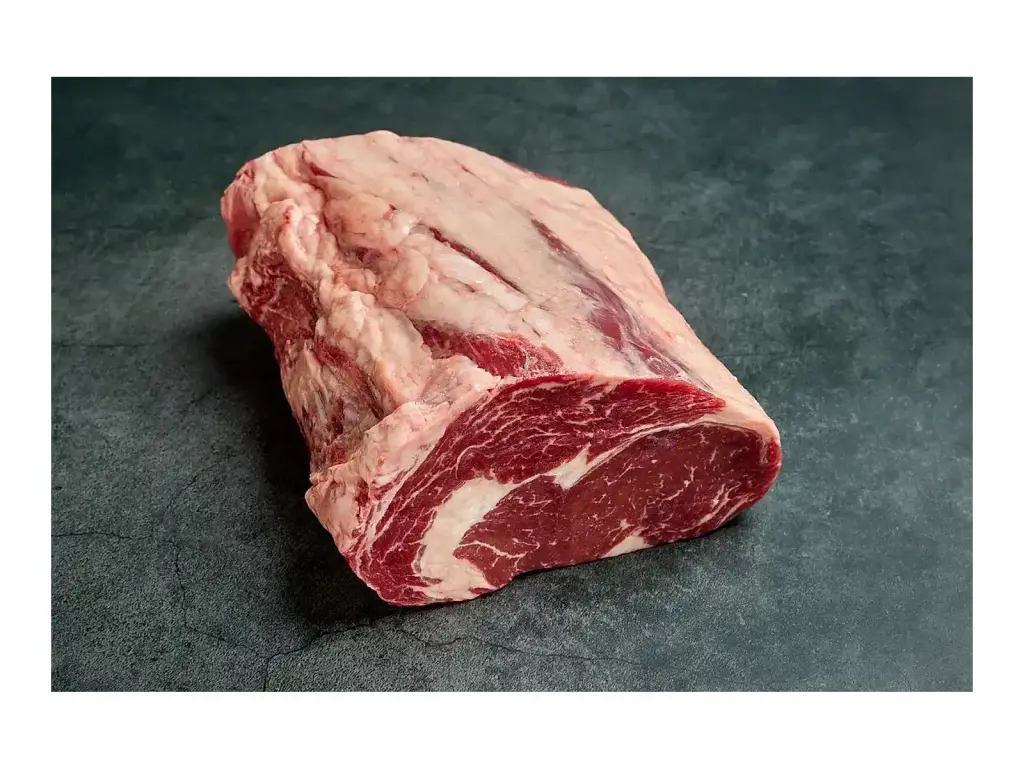
How to roast a standing rib roast
- Take the roast out of the fridge 1.5 to 2 hours before cooking. Pat dry.
- Rub generously with salt, black pepper, crushed garlic and olive oil. For a herb crust, add rosemary and thyme.
- Preheat the oven to 230°C. Place the roast, bone-side down, in a roasting tin.
- Roast for 20 minutes to build a crust, then reduce to 160°C.
- Continue roasting until the thickest part reaches 50°C for rare, 54°C for medium-rare or 58°C for medium. Allow about 15 minutes per 500g after the first 20 minutes.
- Rest for 30 minutes, loosely covered. The temperature will rise 5°C.
- Carve the meat from the bones in one piece, then slice across the grain.
Use a probe thermometer for accuracy; it is the only reliable guide. Resting is as important as cooking: the juices redistribute, and the meat is tender and moist.
Rib roast questions
How big should the roast be?
Allow one bone for every two people, or about 400g bone-in per adult.
Should I cover it with foil?
Only while resting. Covering during roasting steams the crust.
What sauce suits it?
Gravy from the pan juices, horseradish cream, béarnaise or a simple mustard.
Sides, gravy and carving for the perfect roast dinner
A rib roast calls for classic sides. Roast potatoes cooked in beef dripping or oil, Yorkshire puddings, honey-roasted carrots, steamed green beans, creamed spinach and cauliflower cheese all suit the occasion. A bright salad cuts the richness. Prepare the vegetables while the roast rests, and use the extra oven time to crisp potatoes at a higher temperature. Timing is the secret of a successful roast dinner.
Gravy is simple. After removing the roast, pour off most of the fat, leaving about two tablespoons in the tin. Place the tin on the stove, stir in two tablespoons of flour, and cook for a minute. Add two cups of beef stock gradually, whisking, and simmer for five minutes. Season, strain and serve hot. A spoonful of mustard or a splash of balsamic vinegar adds depth, and no wine is necessary.
Carving: stand the roast on a board, cut along the bones to remove the meat in one piece, then slice across the grain in slices about 1cm thick. Serve each slice with a piece of the crust. The bones, roasted with the meat, are a treat for the cook, and make a rich stock for soup. Carve at the table for drama, or in the kitchen for ease.
Alternatives: a boneless rib eye roast cooks more evenly and carves more easily, though the bone adds flavour. A whole scotch fillet roasts in about 45 to 60 minutes at 200°C to medium-rare. A tomahawk can be cooked using the reverse-sear method: roast at 120°C to 50°C, then sear hard on both sides. Each suits a different occasion and budget.
Leftover rib roast is a luxury. Slice it thinly for sandwiches with horseradish and rocket, fry it into hash, or add it to a salad of watercress and beetroot. Cold roast beef keeps for three days in the fridge. Reheat slices gently in gravy, so they stay tender. Simmer the bones for stock. Nothing from a good roast need be wasted.
Storage and safety: keep the raw roast in the coldest part of the fridge, and use within three days of delivery, or freeze. Thaw in the fridge for 24 to 48 hours. Cook to your preferred temperature, rest, and refrigerate leftovers within an hour. Wash hands and boards after handling raw meat. Order large roasts a few days ahead for events.
Seasoning, dry brining and resting a rib roast
Seasoning a large roast early makes a big difference. Salt the roast the day before, rubbing it all over with coarse salt, and leave it uncovered in the fridge on a rack. The salt draws moisture to the surface, dissolves, and is reabsorbed, seasoning the meat deeply and drying the exterior for a better crust. This technique, called dry brining, is the most effective way to improve roast beef.
Add flavour just before roasting. Rub with crushed garlic, chopped rosemary, thyme, black pepper and olive oil, or a paste of Dijon mustard (check the label for wine), horseradish and herbs. Avoid sugar-based rubs for the first high-heat blast, which can burn. A thin layer of fat on top bastes the meat as it cooks, so do not trim the fat cap too closely.
Resting is not optional. A large roast should rest for 30 minutes after cooking. During this time, the temperature continues to rise by several degrees, and the juices redistribute. Cut too early and the juices run onto the board; wait, and each slice is moist from edge to centre. Tent loosely with foil to keep it warm, but do not wrap tightly, which steams the crust.
Reverse searing is an alternative method. Roast at a low temperature, around 120°C, until the centre reaches about 48°C, then rest for 15 minutes while the oven heats to its highest setting. Return the roast for 8 to 10 minutes to brown the crust. This method gives an even pink centre from edge to edge and a crisp crust. It is forgiving and suits large pieces.
Know your oven. Ovens vary, so use a thermometer and an oven probe if you can. Fan-forced ovens cook faster, so reduce the temperature by 20°C. Position the rack in the lower-middle of the oven, so the top of the roast browns evenly. Avoid opening the door too often, which drops the temperature. A tray of water on the bottom shelf keeps the oven humid.
Finally, plan the meal around the resting time. Put the potatoes in the oven when the roast comes out, turn the oven up, make the gravy, and cook the vegetables. By the time the roast is rested, everything is ready. This is the secret of a stress-free roast dinner: use the rest to your advantage, and everything comes together at once.
Planning a rib roast feast
A rib roast feeds a table, so plan the rest of the meal around it. Start with a light soup or salad, serve the roast with two or three vegetables and a starch, and finish with a fruit-based dessert. Order the roast several days ahead, tell us how many people you are feeding, and we will help you choose the right size. Store the roast in the fridge until the day before, then bring it to room temperature before roasting. Keep a good thermometer and a sharp carving knife on hand, and give yourself time to rest the meat, which is the most important step for a succulent result.
Think also about leftovers. A large roast always has some left over, and slices of cold rib roast are delicious in sandwiches and salads the next day. Wrap the meat tightly and refrigerate for up to three days. If you have too much, freeze slices in gravy for later. A little planning means nothing is wasted, and the pleasure of the feast continues.