
Beef roast Kerala style, the dry-fried, coconut and black pepper beef: an easy spiced recipe, the best cuts, oyster blade and chuck, and buying tips.
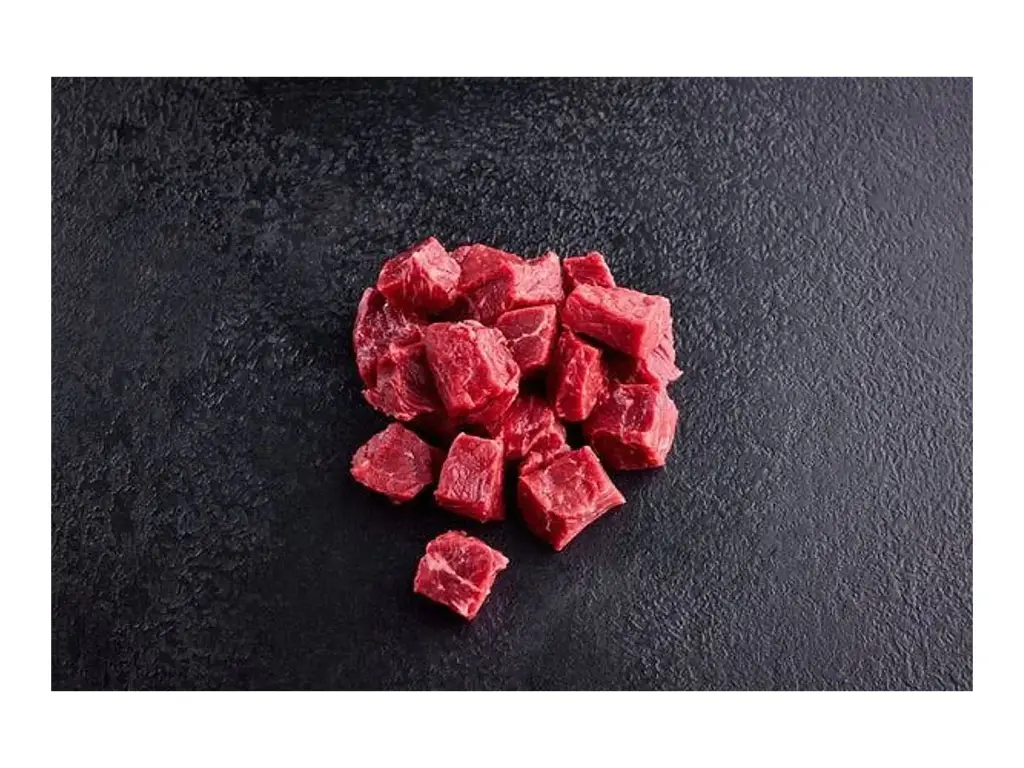
Beef roast Kerala style, known locally as beef ularthiyathu, is a dry-fried dish of tender beef, coconut slivers, curry leaves and black pepper. It is not a roast in the Western sense but a slow-cooked, spice-coated fry, with a dark, glossy finish and a deep, peppery heat. It is served with parottas, rice or appam, and it is one of the great dishes of South India. This guide gives a simple, reliable recipe, the best cuts and the technique.
Choosing the beef
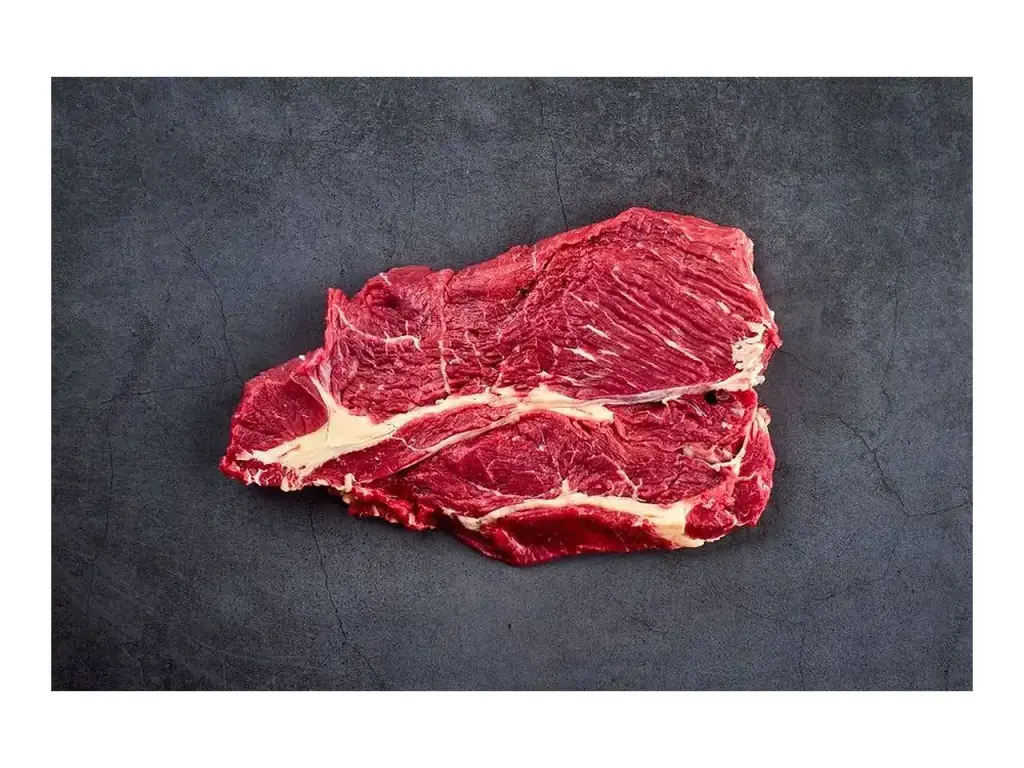
The best cuts for Kerala beef roast are those with some fat and connective tissue, which become tender in slow cooking. Beef chuck is ideal. Our beef chuck meat is well marbled and affordable; compare the chuck steak price, the beef chuck steak price, the beef chuck price and the beef chuck roast price on the product pages.
The best way to cook beef chuck is slowly, with the lid on, as in this recipe. You can also use an oyster blade roast, a tender shoulder cut that braises well, or brisket. If you want pre-cut pieces, you can buy diced beef online, and caterers and restaurants can order wholesale beef cartons of diced beef. Whichever you choose, ask for pieces about 3cm square.
Not every beef dish needs slow cooking. For a traditional Western roast, check our guide to the best beef roast cuts. The range includes beef roast cuts such as topside, which suit the oven; see beef roast cuts for a whole topside. Searching for a beef roast near me? We deliver porterhouse roasting portions across Sydney. Restaurants ask about roast beef wholesale, and families ask for the best beef roast to buy; our whole topside is the answer for both. And if you want a classic rib roast, read our guide to a beef rib eye rib roast. See the whole halal beef range.
Ingredients (serves four)
- 800g beef chuck, cut into 3cm cubes
- 2 onions, sliced; 6 cloves garlic; a thumb of ginger
- 2 teaspoons coriander powder, 1 teaspoon chilli powder, 1 teaspoon turmeric, 1 teaspoon garam masala, 2 teaspoons black pepper
- 3 green chillies, a sprig of curry leaves
- 1/2 cup coconut slivers (or thick coconut flakes)
- 2 tablespoons coconut oil, salt, a squeeze of lime
Method
- Marinate the beef with turmeric, chilli powder, coriander powder, salt and half the ginger and garlic for 30 minutes.
- Pressure cook with half a cup of water for 25 minutes, or simmer covered for 1.5 hours, until almost tender, with little liquid left.
- Heat coconut oil in a heavy pan. Fry the coconut slivers until golden, remove and set aside.
- Fry the onions with curry leaves, remaining ginger, garlic and green chillies until deep golden, about 12 minutes.
- Add the cooked beef, black pepper and garam masala and stir-fry over medium heat for 15 minutes, until the beef is dark, dry and coated in the spice paste.
- Fold in the coconut, finish with lime juice and serve hot.
Patience at the frying stage gives the characteristic dark colour and concentrated flavour. Stir regularly to prevent sticking, adding a splash of water if needed. The finished dish should be almost dry, with the spices clinging to each piece.
Kerala beef roast questions
What is the difference between beef roast and beef curry?
Roast is a dry-fry with little sauce and a dark, spicy coating. Curry has a gravy.
Is coconut oil essential?
It gives authentic flavour, but any vegetable oil works.
How hot is it?
Moderately. Reduce the chilli for children and add more black pepper for warmth.
Serving Kerala beef roast, variations and planning
Serve beef roast with parotta, a layered flatbread, or with steamed rice, appam or puttu. A simple onion and tomato salad with lime and a cooling yoghurt raita balance the spice. Garnish with fresh curry leaves, coriander and extra coconut slivers. The dish keeps well, so it is excellent for gatherings, Eid meals and family celebrations. Make it ahead and reheat gently in a pan with a splash of water.
Variations are popular. Add sliced potatoes in the pressure-cooking stage to make a substantial dish. Use more fennel seeds and cloves for aroma, or add a spoon of tamarind for a sour note. Some cooks add tomato to the onion masala for extra moisture. A version with sliced shallots instead of onions is traditional in some Kerala homes. Each cook has a family recipe, and tasting different versions is part of the pleasure.
Technique tips: cut the beef uniformly so that it cooks evenly, and cook it until it is just tender before frying, since over-cooked meat will fall apart. Use a heavy-based pan or a kadai so that the masala browns without burning. Add the whole spices to hot oil to bloom them. Keep stirring during the final fry. A good ularthiyathu takes patience, but each stage is simple.
For a Western-style roast on the same menu, the oven does the work. A whole beef topside, seasoned and roasted at 180°C for about 20 minutes per 500g plus 20 minutes, makes a different centrepiece. Rest it for 20 minutes before carving. Serve with roast vegetables and gravy. A table with both a spiced beef roast and a carved joint pleases everyone.
Storage and safety: keep raw beef cold and use within three days, or freeze. Cool the cooked dish within an hour and refrigerate for up to four days. Freeze in portions for three months. Reheat until steaming hot. Wash hands and boards after handling raw beef. Whole spices and coconut should be stored in airtight containers away from heat.
All our beef is certified halal by Halal Control Australia and delivered chilled across Sydney and Australia-wide. Browse our beef range, and use the notes at checkout if you need the meat cut to a particular size. Our team is happy to help you choose the right cut for Kerala beef roast and every dish you love.
The flavours of Kerala cooking
Kerala cuisine is built on coconut, black pepper, curry leaves, ginger, garlic and fresh green chillies. Pepper was once the region's most precious export, and it gives the beef roast its signature heat, a slow, warming burn rather than a sharp chilli kick. Freshly cracked black pepper added late in cooking has the best aroma. Curry leaves, fried in hot oil until crisp, give a distinctive, nutty fragrance that cannot be replaced.
Coconut appears in many forms: as oil for frying, slivers or flakes for crunch, milk for gravies and grated fresh for stir-fries. In this dish, small coconut pieces are fried until golden and folded in at the end for texture and sweetness. If you cannot find coconut slivers, use thick flaked coconut and toast it lightly. Coconut oil has a distinct flavour, and it is worth using if you can.
Whole spices are used generously. Cinnamon, cloves, cardamom and fennel seeds are added to hot oil at the start to release their oils, a technique called tempering. Ground spices are added later, with a splash of water to stop them burning. Garam masala, a blend of warming spices, is added at the end for aroma. Store spices in airtight jars, away from light, and buy small amounts so they stay fresh.
The dish is traditionally eaten with parotta, a flaky layered bread, or with rice. Beef roast and parotta is a famous combination at tea shops and family tables across Kerala. At home, you can use store-bought parottas, warmed on a pan, or substitute naan or roti. A plate of sliced red onions, green chillies and lime wedges is the classic side, along with a cup of sweet tea.
Kerala has a rich tradition of cooking beef, and the cuisine includes many dishes that are easy to adapt: beef fry with coconut, beef curry with coconut milk, beef stew with potatoes, and pepper beef. Each uses simple techniques and bold spices. Once you master the beef roast, you can explore the others, and your repertoire of South Indian cooking grows.
Finally, remember that spiced food is better when shared. Make a large batch for family and friends, serve with plenty of bread and rice, and let everyone eat with their hands if they wish. Leftovers taste even better the next day, and the dish freezes well. It is a hearty, generous meal that rewards a little patience and a good pot.
Buying beef for spiced dishes
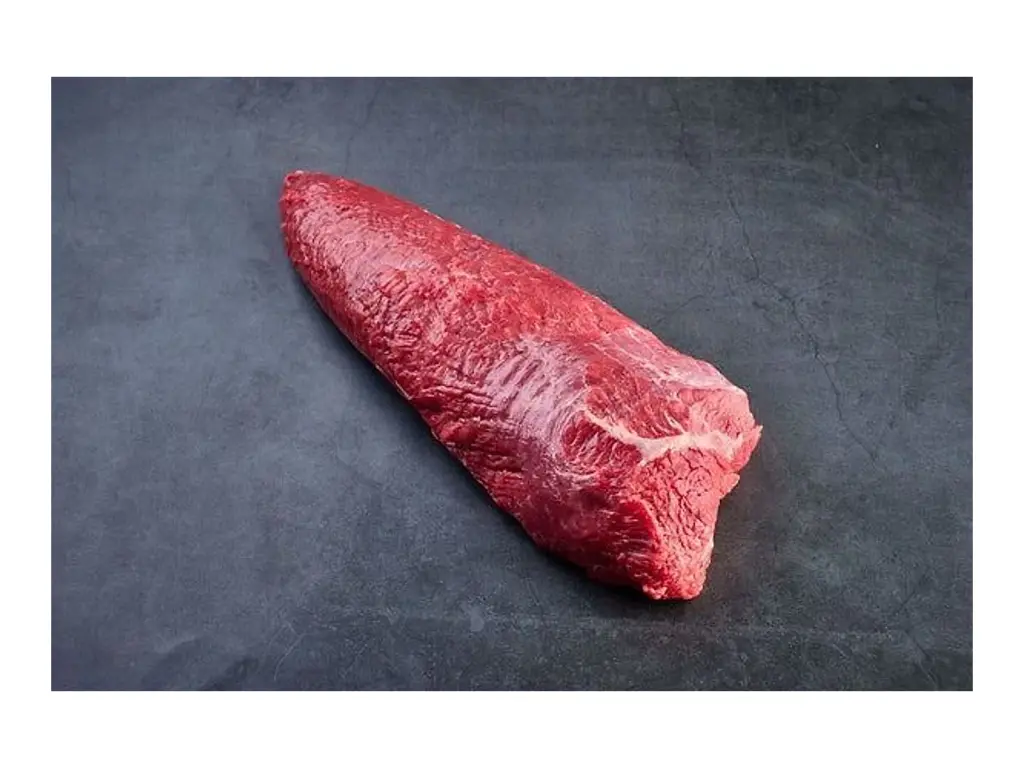
For Kerala beef roast, ask for chuck or shoulder, cut into 3cm cubes. If you prefer bone-in pieces, add a few small pieces of beef shin or bone for flavour. Order extra if you are feeding a crowd, as the dish is moreish. Keep the beef cold until cooking, and cook within three days of delivery, or freeze on arrival. Our team can cut to your instructions if you add a note at checkout.
Serving and storing the finished roast
Serve the beef roast hot, straight from the pan, scattered with fresh curry leaves and coconut. It is a dry dish, so it travels well in lunchboxes and picnics, wrapped in parotta. Cool leftovers within an hour, and refrigerate for up to four days in an airtight container. Reheat in a hot pan with a splash of water until steaming hot. The flavour deepens overnight, and many cooks consider the second day the best. Freeze in portions for up to three months.