
Chuck steak vs gravy beef: where each comes from, how they cook, which suits stews, pies and curries, and the best substitutes for beef chuck and shin.
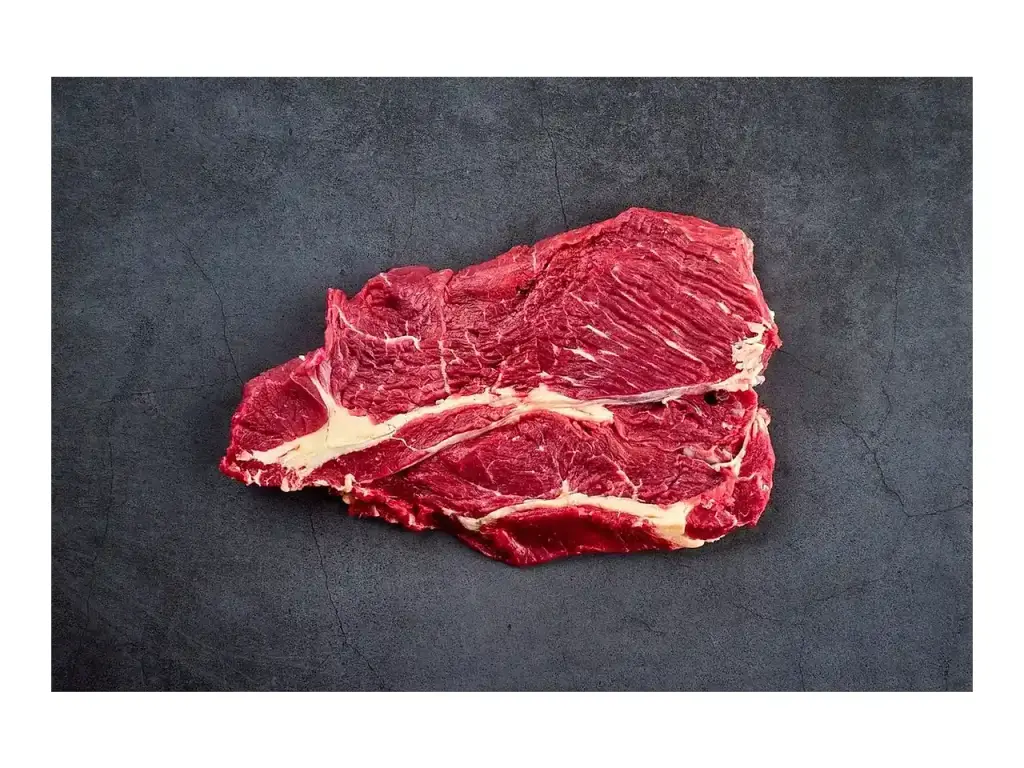
Chuck steak and gravy beef are the two cuts most often sold for casseroles. Gravy beef vs chuck is a common question for anyone cooking stews, curries and pies. Both are inexpensive, both need slow cooking, and both are sold for "casserole" — but they come from different parts of the animal and behave differently in the pot. Choosing the right one makes the difference between meat that melts into a silky sauce and meat that holds its shape in neat cubes. This guide explains both cuts and when to use each.
What is gravy beef?
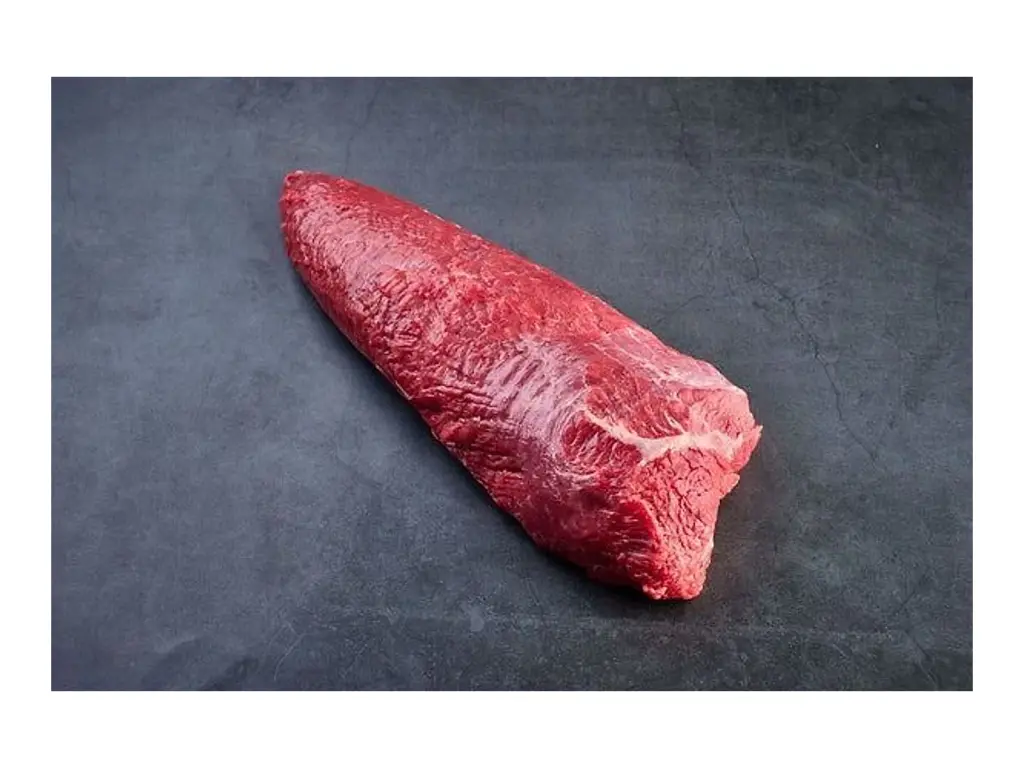
What is gravy beef? In Australia, gravy beef is boneless beef shin — the lower part of the leg, between the knee and the ankle. Because the shin works constantly, it is packed with connective tissue running through and around the muscle. Raw, it looks lean and sinewy. Cooked slowly in liquid, all that connective tissue melts into gelatine, giving the meat a soft, silky texture and the sauce a rich, glossy body. That is where the name comes from: it makes beautiful gravy.
Gravy beef is the cut behind many classic slow-cooked dishes: beef and vegetable soup, nihari, osso buco-style braises (osso buco is shin cut across the bone) and rich beef ragù. Our gravy beef is trimmed and ready to dice or cook whole.
What is chuck in beef?
Chuck in beef refers to the forequarter — the neck and shoulder area. It is a large section made up of several muscles with good marbling and some connective tissue. Chuck has a classic, rich beef flavour and a little more fat than gravy beef, so it stays juicy in long cooking. It is the most common cut sold as "stewing steak" and "casserole beef".
Beef chuck steak
Beef chuck meat comes from the shoulder. A beef chuck steak is a slice across the chuck, usually 2–3cm thick, often with a little seam of fat or connective tissue through it. Despite the name, it is not a grilling steak; it needs slow, moist cooking to become tender. It is easy to dice into even cubes, which makes it ideal for curries, casseroles and pies where you want the meat to hold its shape. See our beef chuck steak and the chuck tender, a leaner chuck muscle that braises well.
Gravy beef vs chuck steak: side by side
Here is how the gravy beef vs chuck steak comparison looks at a glance:
- Where it comes from: gravy beef from the shin (lower leg); chuck from the neck and shoulder.
- Texture when cooked: gravy beef becomes soft, silky and almost spoonable; chuck becomes tender but holds its shape.
- Sauce: gravy beef gives a thicker, glossier sauce thanks to its gelatine; chuck gives a lighter sauce with more fat flavour.
- Cooking time: gravy beef needs 2½–3½ hours; chuck needs 1½–2½ hours.
- Best for: gravy beef for soups, nihari, ragù and rich braises; chuck for curries, casseroles, pies and stews with neat cubes.
Which should you use?
Use gravy beef when the sauce is the star: when you want a thick, glossy gravy and meat that falls apart. Use chuck when you want tender, recognisable chunks of beef, or when you are short on time. For the best of both, many cooks mix them — chuck for texture and a portion of gravy beef for body — or add a piece of oxtail to a chuck stew for extra richness.
A simple slow-cooked beef stew
This stew works with either cut and serves six.
- Cut 1.5kg gravy beef or chuck into 4cm pieces. Toss in two tablespoons of seasoned flour.
- Brown in batches in olive oil in a heavy casserole dish; set aside.
- Soften two diced onions, two carrots and two celery stalks. Add four garlic cloves and two tablespoons of tomato paste.
- Add a tin of crushed tomatoes, 750ml beef stock, two bay leaves and a few sprigs of thyme. Return the beef.
- Cover and cook at 160°C for 2 hours (chuck) or 3 hours (gravy beef), adding chunks of potato for the last hour.
- Season, skim any fat and finish with chopped parsley.
For a slow cooker, cook on low for 8 hours. For a curry, swap the herbs for onion, ginger, garlic, garam masala, cumin, coriander and chilli, and finish with yoghurt and coriander.
Pies and curries
Both cuts make excellent pies. Cook the filling a day ahead so it is completely cold before it goes into the pastry; this keeps the base crisp. Chuck gives you neat chunks of beef in every slice, while gravy beef gives a softer, richer filling that is almost like a thick ragù. For curries, chuck is the traditional choice for a rich beef curry or korma, and gravy beef is the cut to use for nihari, where the meat should fall apart into the thick, spiced gravy. Add bone marrow or a shank bone to a nihari for extra richness.
Prices compared
Both are among the most affordable beef cuts. The chuck steak price and the price of beef chuck generally sit at the lower end of the beef range, and gravy beef is similarly economical. Because both cuts lose some weight as fat and moisture render out, allow about 200–250g of raw meat per person for a stew. Our product pages show the price per pack and per kilo, so you can compare gravy beef, chuck steak and diced beef side by side.
Tips for tender slow-cooked beef
- Brown well, in batches: it builds flavour and stops the meat stewing in its own juices.
- Keep it at a gentle simmer: boiling tightens the meat and makes it stringy.
- Cook until tender, not until the timer ends: if a piece resists a fork, it needs more time.
- Make it a day ahead: slow-cooked beef tastes better after a night in the fridge, and the fat is easy to lift off.
Beef chuck compared with other cuts
Beef chuck vs gravy beef is the comparison in this guide, but chuck is often weighed against other slow-cooking cuts too. Beef chuck vs brisket: chuck is more evenly marbled and braises in less time, while brisket has a thick fat cap and suits smoking. Beef chuck vs beef blade: both come from the shoulder, but blade is a little leaner and holds its shape better in slices.
You can buy beef chuck meat as steaks or as whole pieces. The beef chuck tail flap is a well-marbled piece that is excellent braised or slow grilled. A Wagyu beef chuck steak is richer again. Check the chuck steak price per kilo against gravy beef; chuck is usually a little cheaper.
Substitutes for chuck and shin
Need a substitute for beef chuck? Blade, brisket point end and boneless short rib all work in the same recipes and cooking times. A beef shin substitute is harder to find, because shin's gelatine gives a sauce its body. The best beef shin alternative is osso buco, which is shin cut across the bone. Another alternative to beef shin is oxtail, which gives an even richer sauce. If you need a beef shin replacement for a pho or a clear soup, use brisket plus a few beef bones for body.
Quick-cooking cuts for the same week
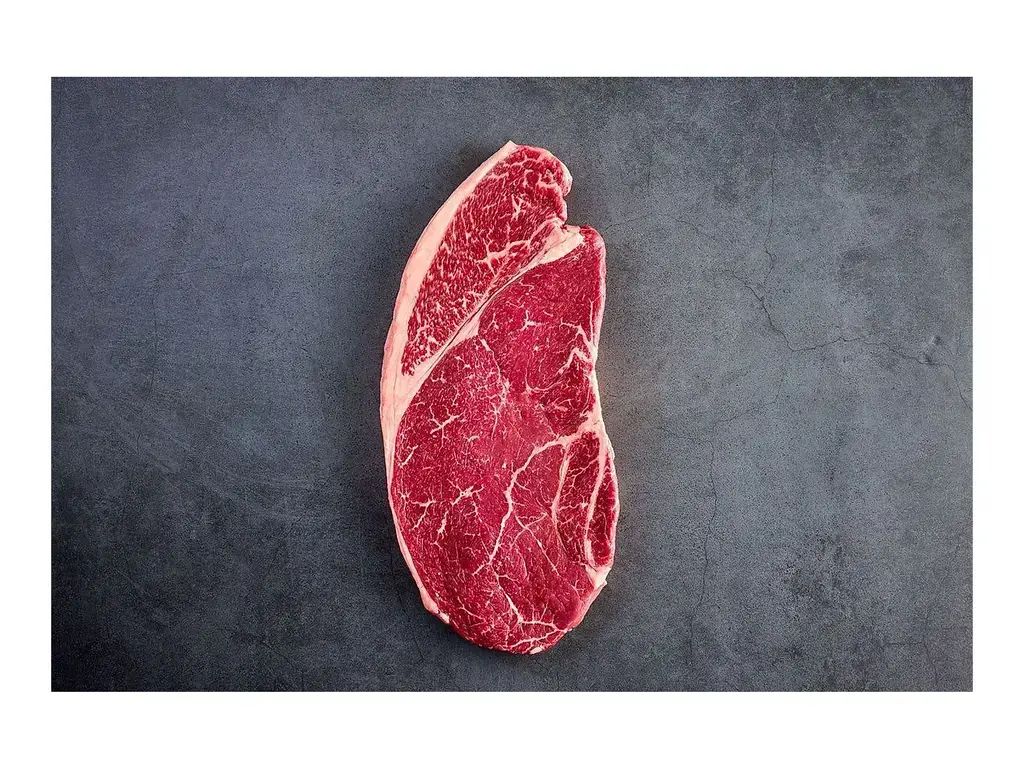
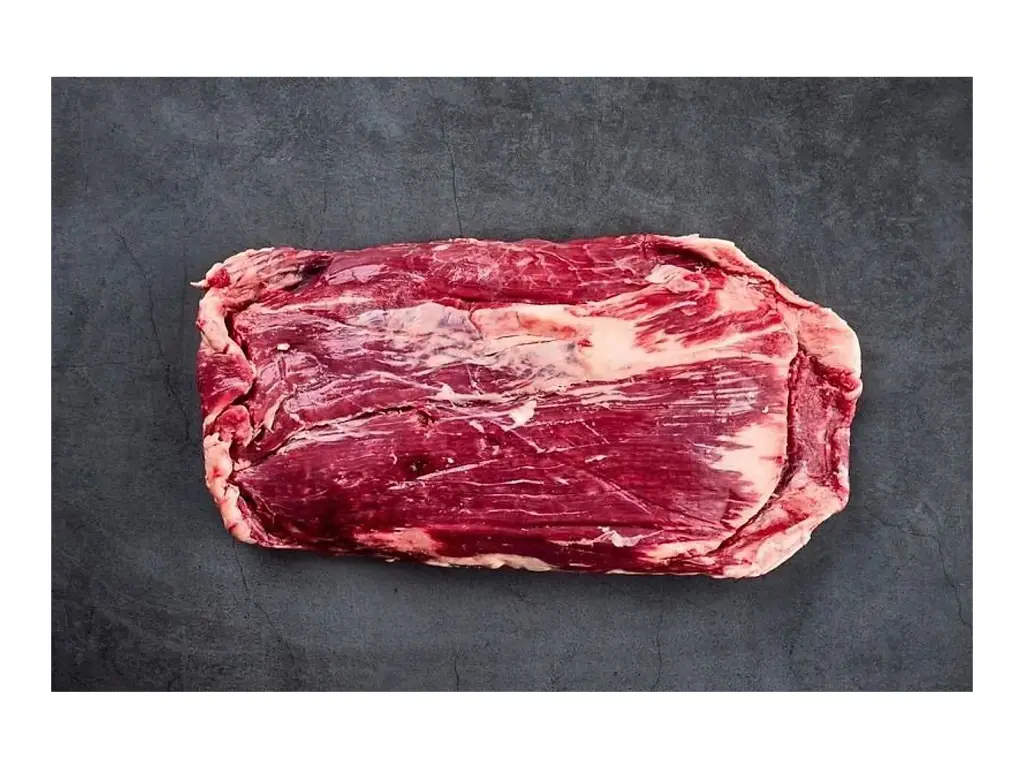
Slow-cooked beef isn't always practical on a weeknight. Flank steak beef cooks in minutes and suits fajitas and stir-fries, as long as you slice it thinly across the grain. For a treat, a Wagyu rump steak needs only a few minutes in a hot pan. Every cut is certified halal by Halal Control Australia, and our halal beef range lists them all.
Cooking chuck in a pressure cooker
A pressure cooker turns chuck tender in about 45 minutes instead of three hours. Brown the meat in batches, add aromatics and liquid, and cook at high pressure for 35 to 45 minutes, then let the pressure drop naturally for 15 minutes. Gravy beef needs about ten minutes longer. Thicken the sauce afterwards by simmering it with the lid off.
Slow-cooking questions
Can I use gravy beef in a pie?
Yes, it is one of the best pie fillings. Cook it slowly with onion and stock until tender, thicken the sauce, and cool it completely before it goes into pastry. Hot filling makes the base soggy.
Why is my stew meat still tough?
It needs more time. Slow-cooking cuts get tougher before they get tender, and if you stop too early, the connective tissue has not melted. Keep the heat low and test again after another 30 minutes.
Do I flour the meat first?
You can. A light dusting helps browning and thickens the sauce. Shake off the excess, brown the meat in batches, and do not crowd the pan.
Buying gravy beef and chuck
Every cut in this guide is certified halal by Halal Control Australia and delivered chilled Australia-wide. Buying larger packs and freezing them in meal-sized portions is the cheapest way to keep stewing beef on hand. Browse the full halal beef range, see our recipe for slow cooked beef cheeks, or read the guide to halal beef cuts.