Bulk beef explained: halves, quarters and cartons, wholesale prices per kg, storage and trade options, with halal beef delivered Australia-wide.
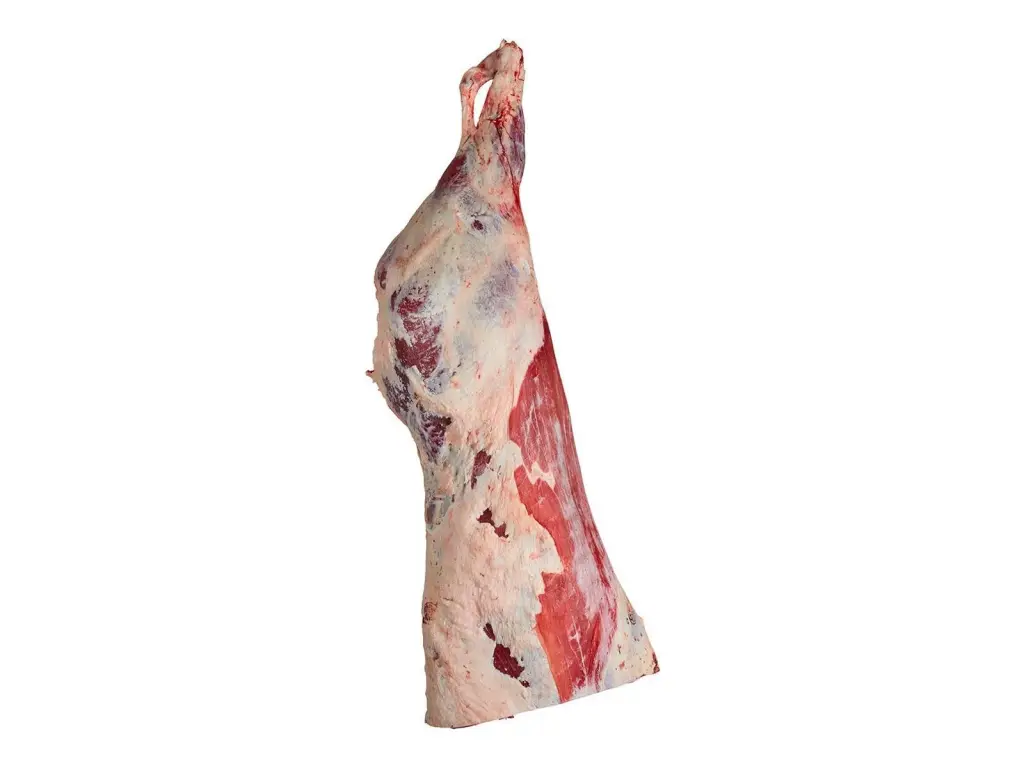
Bulk beef is the smartest way to feed a large family, stock a restaurant or fill a freezer. Buying in bulk lowers the price per kilo, gives you a range of cuts, and saves trips to the shops. This guide explains the options, from a whole cow to cartons of single cuts, how to plan, how to store beef, and how to buy bulk beef online from a halal supplier.
Ways of buying bulk beef
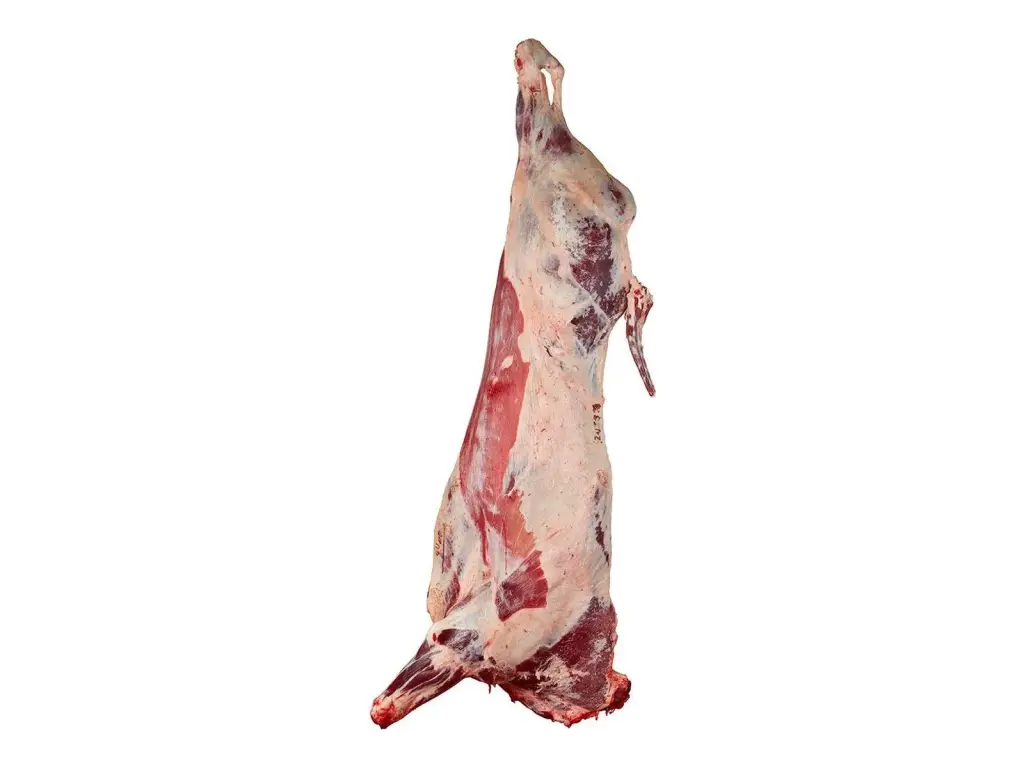
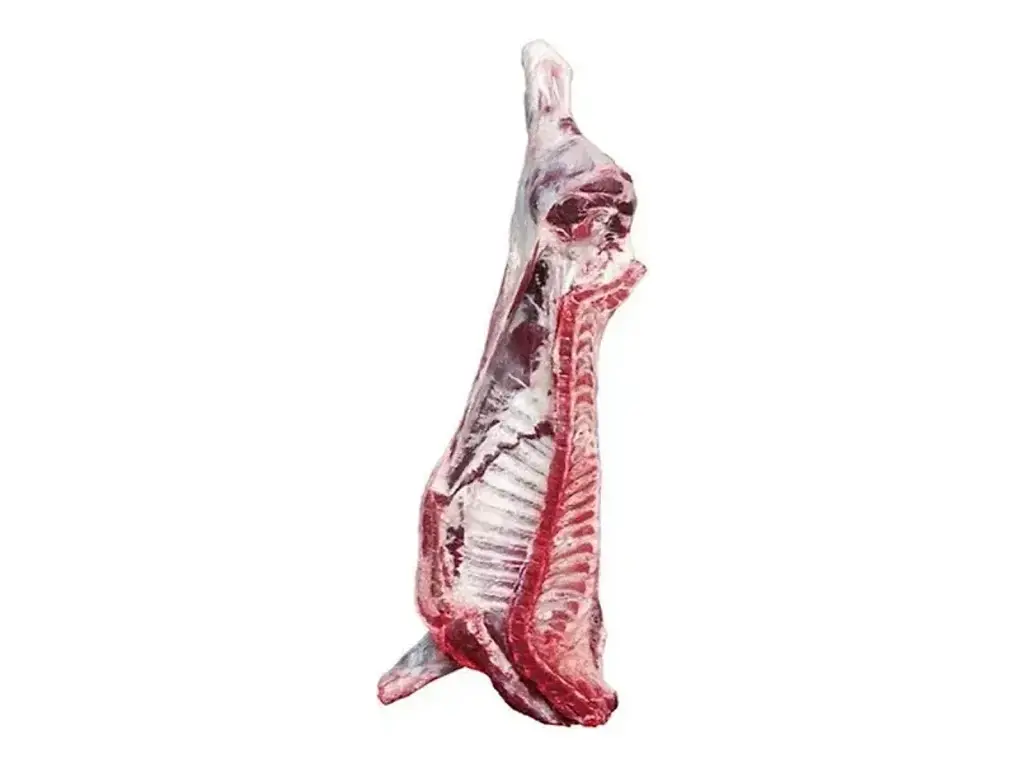
There are several ways to buy in bulk. At one end, you can buy a whole animal: buy a whole cow and have it cut into steaks, roasts, mince and bones. Or buy half a cow for a smaller household. A hindquarter or forequarter is a middle option. For a more targeted purchase, a bulk beef purchase of a hindquarter gives you the best steaks and roasts. Restaurants often choose cartons of a single cut, such as a beef strip loin in a cryovac carton, which suits steakhouses. Mince, diced beef and brisket also come in 20kg cartons. Our meat packs page lists them all.
Where to buy bulk beef
Many shoppers ask how to buy bulk beef near me, buy bulk beef online, bulk beef sales near me and buying bulk beef near me. We are an online halal butcher, so we deliver everywhere. You can buy bulk beef online and have it delivered across Sydney and Australia-wide.
If you are searching for bulk beef sales near me, or buy bulk beef near me, our online shop is the answer, with Priority Delivery in Sydney. Businesses ask about buy beef wholesale and beef wholesale price per kg, and our trade accounts offer a regular price sheet. For a restaurant looking for Wagyu beef Sydney wholesale, we supply MB5+ and MB9+ primals. See the full range on our wholesale page.
Planning a bulk purchase
- Freezer space: a freezer holds about 35 to 40kg of meat per 100 litres.
- Household size: a family of four typically eats 1 to 1.5kg of beef a week.
- Cuts: decide how much mince, diced, steaks, roasts and bones you want.
- Packaging: ask for vacuum or tight packs, in meal-sized portions.
- Labels: label each pack with the cut, weight and date.
Tell us how you want your beef cut: steak thickness, roast size, mince fat level and pack sizes. Order a few days ahead for large orders so we can schedule your pack. Add instructions in the order notes at checkout.
Storing bulk beef
Freeze beef at -18°C or colder. Mince and diced beef keep for four months; steaks and roasts for six to twelve months, if well wrapped. Flatten mince in bags to freeze and thaw quickly. Wrap steaks individually. Thaw in the fridge, never on the bench. Rotate stock, using the oldest first. Keep a list on the freezer door.
Bulk beef questions
Is bulk beef cheaper?
Usually yes per kilo, especially for whole animals and cartons. Check the price per kilo and what is included.
What if I do not have a big freezer?
Buy a quarter or a few cartons, or split an order with family.
Is the beef halal?
All our beef is certified halal by Halal Control Australia.
Bulk beef for families, events and businesses
For a family, bulk beef changes the way you shop. Instead of weekly trips, you place one large order every month or two, and stock the freezer. Each week, you take out what you need. This saves money, reduces waste and removes the daily question of what to buy. A planned freezer makes weeknight cooking easier, because the ingredients are already at hand.
For events such as Eid, weddings, Aqeeqah and community functions, bulk beef feeds many people at once. Choose cuts that suit large pots: diced beef for curries, brisket for slow cooks, mince for kofta and burgers. Order several days ahead, and tell us the number of guests. We can suggest quantities and cut the beef to suit your recipes.
For restaurants, cafés and takeaways, cartons offer consistent quality and predictable cost. Choose primals such as rump, striploin and brisket, and portion them in-house, or choose diced and mince for curries and kebabs. Trade accounts give a regular price sheet and delivery day. Our wholesale page has the details and a form to apply.
Compare prices carefully. A whole animal has a mix of cuts, so the average price reflects both premium and economy cuts. A carton of a single cut has a clear price per kilo. Weigh your needs, and buy the form that suits them. If you are unsure, start with a quarter or a few cartons, and scale up when you know your family's habits.
Safety matters when handling large quantities. Keep beef cold during transport, put it straight into the freezer, and do not refreeze thawed meat. Clean your freezer regularly, and keep a thermometer inside. Use clean boards and knives when portioning, and wash your hands often. Label everything. These habits protect your investment.
We deliver bulk beef chilled or frozen across Sydney and Australia-wide. The minimum order is $250 across the whole cart, and delivery is free over $500. Payment is by PayID, bank transfer or crypto, which takes 10% off the meat total. Browse the full halal beef range, and ask us for advice on the best way to buy in bulk.
Bulk beef buying tips, cuts and cooking
Many shoppers search for bulk beef buy options, and the first tip is to define your goal. Are you filling a freezer, feeding a business or planning an event? A freezer-filler wants a spread of cuts: about one third mince and diced, one third roasts and slow-cook cuts, and one third steaks. A business wants a few cuts in volume. An event wants whatever suits the menu. Knowing your goal makes the order simple.
Next, think about yield. A whole carcass loses weight in trimming, boning and cutting, so the saleable meat is less than the hook weight. A typical carcass yields around 60 to 70% in cuts. A boxed primal, such as a striploin, has less waste. Ask us for the expected yield when you order, and compare the price per kilo of finished cuts rather than the carcass.
Cooking bulk beef is easier if you plan. Divide your beef into categories: quick (steaks, strips), slow (chuck, brisket, shin), mince, and roasts. Cook quick cuts in the first weeks, since they are best fresh, and slow cuts later, since they freeze well. Make batches of cooked dishes, such as stew, curry and bolognese, and freeze in portions. You then have both raw and cooked beef ready.
Keep records. A simple list on the freezer door, noting the cut, weight, date and pack count, tells you what you have. Cross off as you use. This avoids waste and tells you what to reorder. Many families find that a bulk purchase every two or three months suits their rhythm. Adjust to your household as you learn.
For businesses, track usage and yield. Know how many portions you get from each primal, and how many you sell. Adjust orders to avoid over-stocking. Our delivery schedule can be set to match your trading days. Regular orders, with a reliable supplier, simplify planning and keep food costs under control.
Finally, build a relationship with your supplier. Ask questions, share feedback, and let us know your needs. Good suppliers help with cutting instructions, quantity advice and delivery timing. We are always happy to talk through an order, and we reply quickly on WhatsApp and email. A good partnership saves money and stress, and ensures that you enjoy the best of halal beef.
A sample bulk beef order
To help you picture a bulk order, here is a sample for a family of five. Take a hindquarter or a half, cut to your instructions: 10kg of mince in 500g bags, 8kg of diced beef for stews and curries, 6kg of steaks in meal-sized packs, 6kg of roasts, 4kg of chuck and brisket for slow cooking, and bones for stock. That is roughly 35kg, enough for about two months of dinners for five.
A restaurant might instead order cartons: a 20kg carton of mince, a 20kg carton of diced beef, two striploin cartons and a brisket carton. This supplies burgers, curries, steaks and a smoked special, with weekly top-ups as needed. A caterer might order diced beef and mince in bulk, plus a hindquarter for roasts. In each case, we can adjust the order to suit, and arrange regular delivery.
Bulk beef and your budget
To see whether bulk buying suits your budget, work out what you spend on beef each month, then compare it with the price per kilo of a bulk order. Most families find savings, particularly on mince, diced beef and slow-cook cuts. Consider the upfront cost, which is higher, against the lower monthly spend. Splitting an order with relatives or neighbours reduces both the cost and the freezer space needed. Remember also that a bulk order brings flexibility: you can choose the thickness of steaks, the size of roasts and the fat level of the mince.