
Beef skirt explained: where it comes from, how it compares with flank, hanger and bavette, how to cook and slice it, and the best cuts to buy instead.
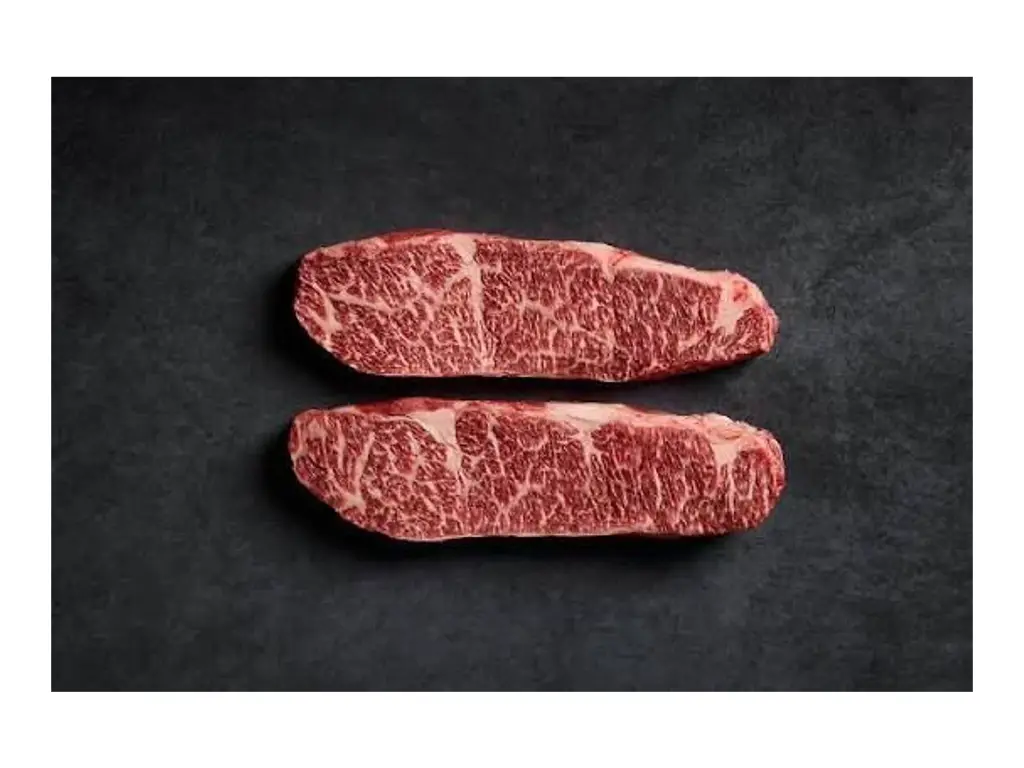
Beef skirt is one of the most flavourful cuts on the animal, and one of the most misunderstood. It is long, thin and coarse-grained, it cooks in minutes, and when it is handled properly it is tender, juicy and deeply beefy. Cooked carelessly, it can be chewy. This guide explains where skirt comes from, how it compares with flank, hanger and bavette, the best ways to cook it, and which cuts we deliver that do the same job.
Where beef skirt comes from
Skirt comes from the plate, the area below the ribs. There are two skirt muscles. The outside skirt is part of the diaphragm; it is the prized one, with a rich, almost mineral flavour and loose grain. The inside skirt is a separate muscle from the flank side of the plate, a little thicker and slightly chewier. Both are long, flat strips with very visible muscle fibres running across their width.
Skirt is called "arrachera" in Mexico, where it is the traditional cut for fajitas, and it features in Korean, Thai, Argentinian and French cooking. Its popularity with restaurants means it can be harder to find at retail than its flavour deserves.
Beef skirt steak vs flank, hanger and bavette
A beef skirt steak is often confused with these neighbouring cuts. They share a coarse grain and a love of high heat, but they are different muscles:
- Flank steak: from the belly, behind the plate. Thicker, leaner and more even than skirt, with a similar coarse grain.
- Hanger steak (onglet): hangs from the diaphragm near the kidneys. Very tender and rich, with a central sinew.
- Bavette: in French butchery, the flank or the sirloin flap. Our chuck tail flap is a well-marbled, loose-grained cut that cooks in a similar way.
We do not list skirt as a separate product at the moment, so if a recipe calls for it, flank and hanger are the closest substitutes in our range, and both are excellent in their own right.
How to cook skirt beef
Skirt beef rewards two approaches: very fast and very hot, or long and slow. Anything in between tends to toughen it.
Hot and fast
Marinate or simply season the steak, then grill, barbecue or pan-sear it over the highest heat you can manage. Skirt is thin, so 2 to 3 minutes a side usually gets you to medium-rare. Pull it off at about 52 to 55°C on an instant-read thermometer and rest it for 5 to 8 minutes.
Low and slow
Skirt also braises well. Roll it around a filling and simmer it in a sauce, or cut it into chunks for stews and curries. Its loose grain soaks up sauce, and an hour or two of gentle cooking softens it nicely.
Slicing across the grain
This is the single most important thing to know about skirt. Its fibres run across the width of the strip, so cut the long strip into pieces about 15 cm long first, then turn each piece and slice it thinly across those fibres. Sliced with the grain, the same steak eats like rope; sliced against it, it is genuinely tender.
Marinades that suit skirt
- Lime, garlic, cumin and chilli for fajitas and tacos (see our beef fajitas recipe)
- Soy, garlic, sesame oil and brown sugar for Korean-style grilled beef
- Olive oil, parsley, oregano, garlic and lemon juice for chimichurri
- Fish sauce, lime and palm sugar for a Thai beef salad
Thin cuts take on flavour fast, so 30 minutes to 4 hours of marinating is plenty. Very acidic marinades left overnight can make the surface mushy.
Halal beef meat for fast grilling
If you are looking for halal beef meat with skirt's character, here is how our range lines up. Flank steak is the best all-round substitute for fajitas, salads and stir-fries. Hanger steak is the choice for a rich, tender steak-frites style dinner. Chuck tail flap suits marinades and the barbecue. For stir-fries, our ready-cut beef stir-fry strips save time.
Beef rump steak: the easy alternative
If you want a steak that is simple to cook, widely loved and good value, a beef rump steak is hard to beat. It has a similar robust flavour, a firmer texture and is more forgiving of a slightly cooler grill. It slices well for salads and sandwiches too.
Beef skirt questions
Is beef skirt tough?
Not when it is cooked correctly. Skirt has long, coarse fibres that are tender when cooked quickly to medium-rare and sliced thinly across the grain, or when braised slowly. It becomes chewy when it is cooked to medium-well on a cool grill or sliced with the grain.
What is skirt beef used for?
Fajitas and tacos, steak sandwiches, Korean barbecue, Thai and Vietnamese salads, stir-fries and slow-cooked dishes such as Cornish pasties and braised rolls. Its loose texture holds marinades and sauces particularly well.
What temperature should I cook skirt to?
Medium-rare is ideal: about 55 to 57°C after resting. Skirt can be served medium (around 60°C), but beyond that it tightens and loses its juiciness quickly.
Should I remove the membrane?
Yes. Outside skirt often comes with a thin, silvery membrane on one side. Slip a sharp knife under it and pull it away in strips before cooking, or it will shrink and curl the steak.
How many people does one skirt feed?
A whole outside skirt usually weighs 600 g to 1 kg, enough for three to five people as a main or six to eight in tacos with plenty of fillings.
Can I cook flank the same way?
Yes. Flank is slightly thicker, so give it an extra minute a side, but the same marinades, the same high heat and the same thin, across-the-grain slicing apply.
Can I cook skirt from frozen?
It is best thawed first. Skirt is thin, so it thaws overnight in the fridge. Pat it completely dry before cooking, because surface moisture prevents the deep crust that makes this cut so good.
Beef flank compared with skirt and other cuts
Skirt's closest relative is beef flank, from the belly just behind it. Beef flank meat is a little thicker and leaner, with the same long grain, so it suits the same marinades and fast cooking. If you can't find skirt, flank is the best substitute; if you can't find flank, skirt works the other way round. Searching for beef flank steak near me? You can buy beef flank online from us and have it delivered chilled.
Beef flank roll is a flank steak spread with a filling, rolled and tied, then roasted or braised. It is a good way to stretch one steak to feed six.
Flank vs brisket and shank
On beef flank vs beef brisket, they are very different cuts: flank cooks in minutes, while brisket needs eight hours. Beef flank vs brisket for a sandwich comes down to time: flank for a quick steak sandwich, brisket for a smoked one. Beef flank vs shank is the same story, because shank is a braising cut. Our bavette guide covers beef flank strips for stir-fries and the best beef flank substitute options.
Premium alternatives
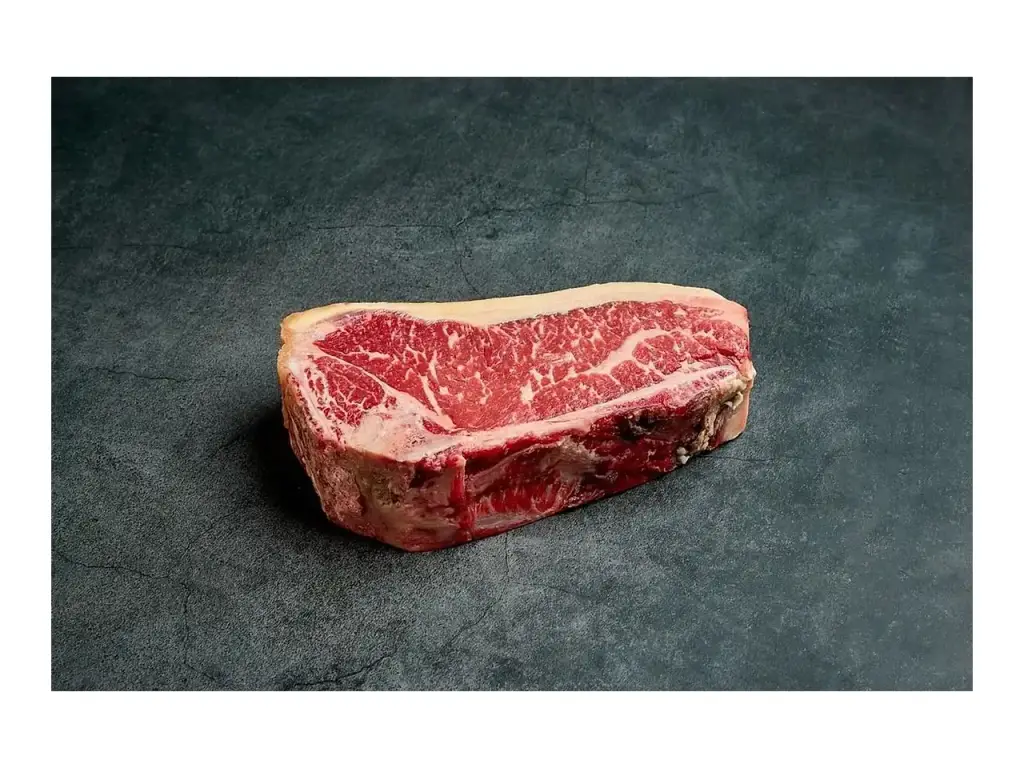
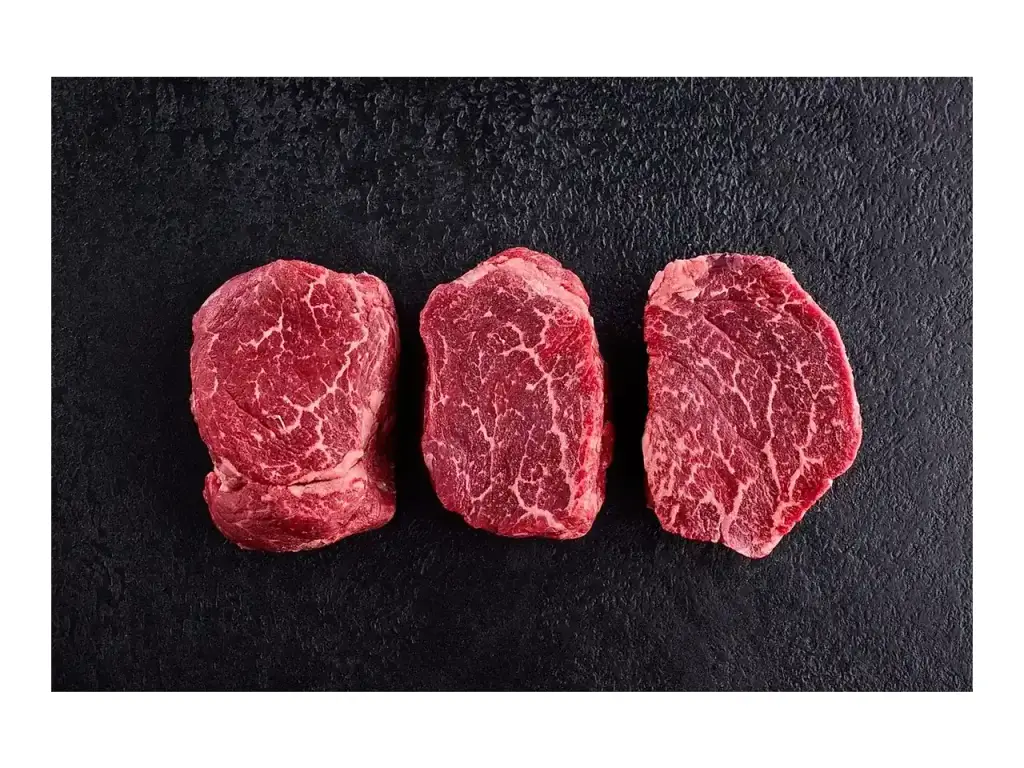
If you want a steak that is more forgiving than skirt, try a dry-aged cut. Searching for dry aged steak near me? Our dry-aged New York strip is tender and deeply flavoured. You can also buy Wagyu beef online, from eye fillet to rump, or buy Wagyu beef brisket online for a weekend smoke.
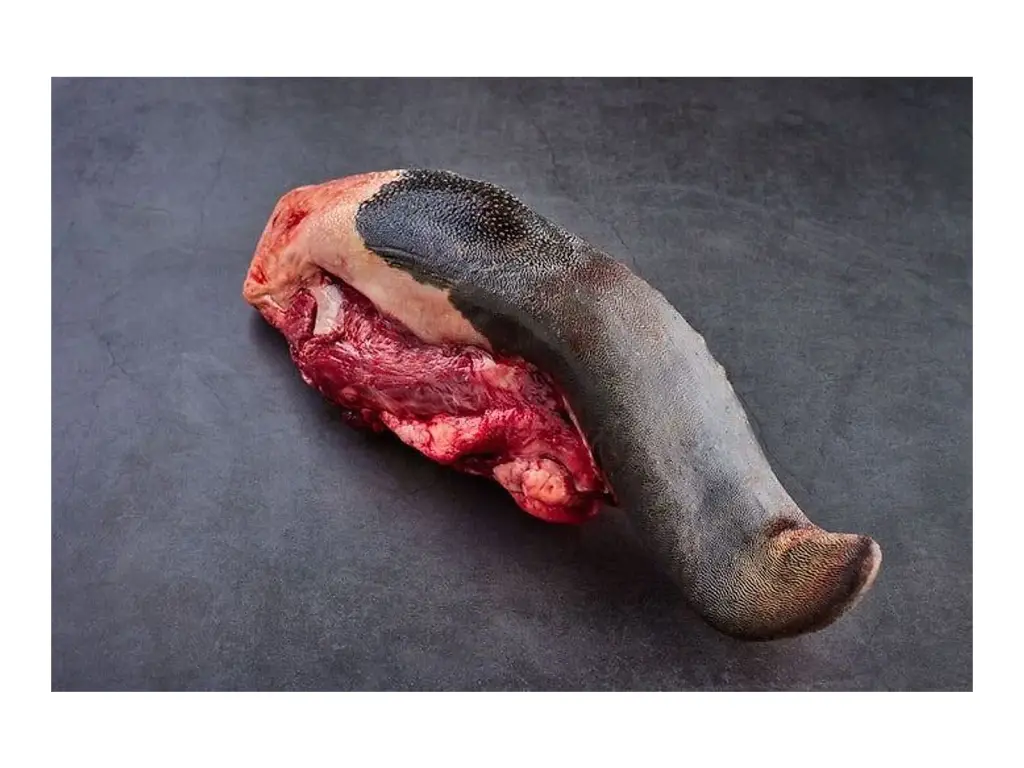
For an adventurous cook, beef tongue is another cut that rewards a little effort: simmer it for three hours, peel it, then slice and sear it for tacos. Every cut is certified halal by Halal Control Australia; browse the full halal beef range.
Skirt steak questions
Is skirt steak tough?
It can be if it is overcooked or sliced with the grain. Skirt has a coarse, loose texture, so cook it fast over a very high heat to medium-rare, then slice thinly across the grain.
What is the difference between inside and outside skirt?
Outside skirt is thicker and more tender but harder to find. Inside skirt is thinner and chewier, with a strong flavour. Either way, trim the silverskin and marinate before cooking.
Can I cook skirt in a pan?
Yes. A very hot cast-iron pan works well. Cut long pieces in half so they fit, and cook for two minutes a side. Open a window, because it smokes.
Final skirt tips
Skirt is best bought fresh and used within two days, or frozen in a flat, airtight pack. Marinate it in a flat dish or bag so every part is covered, and turn it once. Remove it from the fridge about 20 minutes before cooking, pat it dry and cook it over the highest heat you have. After resting, cut it into short lengths first, then slice each piece thinly across the grain; the short lengths make slicing against the grain much easier.
Buy halal beef online
Every cut in our halal beef range is certified halal by Halal Control Australia and delivered chilled from Greenacre, Sydney, to anywhere in Australia. Compare cuts and prices per kilo online, and read our beef onglet steak and beef bavette guides for more on these flavour-packed butcher's cuts.