Use a meat thermometer for lamb to cook every cut perfectly: doneness chart for chops, legs and shoulders, resting times and buying tips.
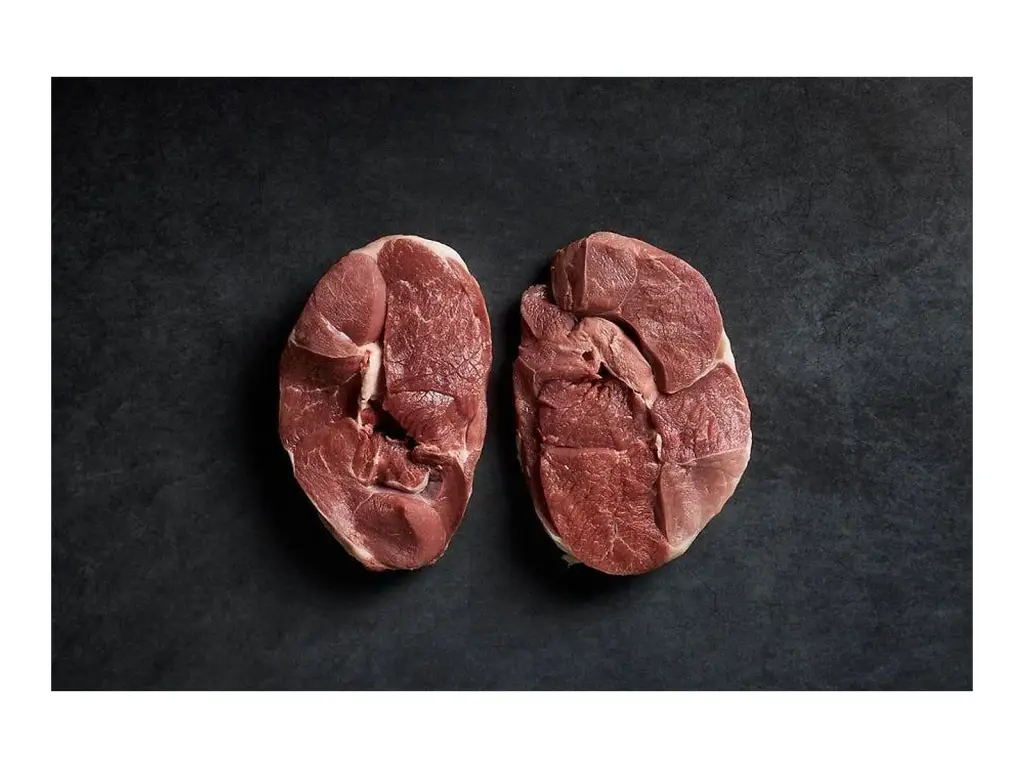
A meat thermometer for lamb is the only reliable way to judge doneness. Lamb is one of the most rewarding meats to cook, but the difference between a juicy, pink roast and a dry, grey one is just a few degrees. Knowing the right lamb cooking temperature, both for your oven and for the inside of the meat, takes the guesswork out of every roast, chop and cutlet. This guide explains internal temperatures for every doneness, oven settings for different cuts, how resting affects the final result and how to use a thermometer.
Two temperatures that matter
When cooking lamb, there are two temperatures to think about. The cooking temperature is the heat of your oven, pan or barbecue. The internal temperature is how hot the centre of the meat gets, and it is what determines doneness. A meat thermometer measures the internal temperature and is the most reliable way to know when lamb is ready.
Lamb is done at what temperature?
Lamb is done at what temperature depends on how you like it cooked. These are the internal temperatures after resting:
| Doneness | Internal temperature | Remove from heat at | Appearance |
|---|---|---|---|
| Rare | 50 to 52°C | 46 to 48°C | Deep red centre |
| Medium-rare | 55 to 58°C | 52 to 54°C | Rosy pink |
| Medium | 60 to 63°C | 56 to 58°C | Light pink |
| Medium-well | 65 to 68°C | 61 to 63°C | Faint pink |
| Well done | 70°C and above | 66°C | No pink |
Lamb mince, sausages and kofta should always be cooked to at least 71 to 75°C in the centre, because mincing spreads any surface bacteria through the meat. Whole cuts such as leg, rack and chops can be served pink.
Roast lamb meat temperature: oven settings
The best oven temperature depends on the cut. Tender roasting cuts like leg and rack are roasted at a moderate to high heat and served pink. Tougher cuts like shoulder and shank are cooked low and slow until tender and falling apart. For the right roast lamb meat temperature, follow this guide:
| Cut | Oven | Time | Target |
|---|---|---|---|
| Leg on the bone (2 to 2.5 kg) | 180°C | 20 to 25 minutes per 500 g | 57 to 60°C |
| Butterflied leg | 200°C or barbecue | 30 to 40 minutes | 57 to 60°C |
| Frenched rack | 200°C after searing | 15 to 20 minutes | 57 to 60°C |
| Rolled loin | 190°C | 35 to 45 minutes | 57 to 60°C |
| Shoulder (slow roast) | 150 to 160°C | 4 to 5 hours, covered | Falling apart, about 90°C |
| Shanks (braise) | 160°C | 2.5 to 3 hours | Fork tender |
For detailed guides, see our leg of lamb cooking time, rack of lamb cooking time and slow roast lamb slow cooker posts.
Why resting matters
When you take lamb out of the oven, the outside is much hotter than the centre, so heat keeps moving inward and the internal temperature rises by another 3 to 5°C. This is called carryover cooking. That is why you should remove lamb from the oven a few degrees before your target. Resting also lets the juices settle back into the meat. Rest roasts for 15 to 20 minutes, loosely covered with foil, and chops or cutlets for 3 to 5 minutes.
How to use a meat thermometer
- Insert the probe into the thickest part of the meat, away from bone and fat.
- For a leg, insert it from the side into the centre of the meatiest part.
- For chops and cutlets, insert it horizontally through the side.
- Check the temperature a little before you expect the meat to be ready.
- Leave-in probe thermometers with an alarm are ideal for roasts.
Tips for perfectly cooked lamb
- Bring the lamb out of the fridge 30 to 60 minutes before cooking for more even results.
- Season generously, and salt roasts a few hours ahead if you can.
- Sear smaller roasts and racks first for a golden crust.
- Do not slice lamb straight from the oven; rest it first.
- Carve across the grain for tender slices.
Buying lamb: lamb for sell and supply
Whether you are a home cook or a business looking for lamb for sell to your own customers, consistent sizing and good handling make cooking far more predictable. Evenly sized legs and racks cook evenly and finish at the same time. Our butchers cut every lamb leg, rack and shoulder to order, and trade customers can contact our halal meat wholesale team.
Lamb prices in Australia
Lamb prices in Australia move with the seasons and market supply, and prices differ significantly between cuts. Leg and shoulder are good-value roasts; racks and backstraps are premium; shanks and forequarter chops are economical slow-cooking cuts. You can see current prices per kilo on every product page in our halal lamb range.
Lamb cooking temperature questions
Is pink lamb safe to eat?
Whole cuts of lamb, such as legs, racks and chops, are generally considered safe when cooked pink, as bacteria are mainly on the surface and are killed during cooking. Minced lamb must be cooked through. Pregnant women, young children, older people and anyone with a weakened immune system may prefer lamb cooked to medium or beyond.
What temperature should slow-cooked lamb reach?
Slow-cooked shoulder and shanks are cooked well past well done, to around 90°C or more, so the connective tissue breaks down and the meat falls apart.
Fan-forced or conventional oven?
Reduce the temperature by about 20°C for a fan-forced oven.
Temperatures for chops, cutlets and barbecue lamb
The same internal temperatures apply to quick-cooking cuts, but they get there much faster. A 2.5 cm loin chop or cutlet cooked over medium-high heat reaches medium-rare in about 6 to 8 minutes in total. Butterflied leg on the barbecue takes 30 to 40 minutes over indirect medium heat, turning occasionally. Because these cuts are thinner, carryover cooking is smaller, about 2 to 3°C, so take them off closer to your target temperature.
For lamb mince dishes such as koftas and burgers, always cook to at least 71°C in the centre. A kofta should feel firm and spring back when pressed, with clear juices.
Common lamb cooking mistakes
- Cooking straight from the fridge, which leaves the centre cold while the outside overcooks.
- Relying only on cooking times instead of checking the internal temperature.
- Slicing too soon, which lets the juices run onto the board.
- Roasting tough cuts like shoulder quickly; they need low and slow cooking.
- Under-seasoning: lamb needs a generous amount of salt.
Avoid these and almost every lamb dish you cook will be tender, juicy and full of flavour.
Carving for the juiciest slices
Once rested, carve lamb with a long, sharp knife. For a bone-in leg, hold the shank end and cut slices from the thickest part, working down towards the bone, then turn the leg and repeat on the other side. For a boneless roast or butterflied leg, slice across the grain into 1 cm slices. Pour any resting juices over the meat before serving.
Choosing between shoulder and leg
The temperature you aim for depends on the cut. Lamb shoulder versus leg is a common question, and lamb shoulder vs leg for roasting comes down to texture. Is lamb shoulder or leg better? Leg is leaner and best at 58 to 62°C, sliced pink. Shoulder has more fat and connective tissue, so it is best cooked to 90°C or more until it pulls apart. To compare, check the price lamb leg per kilo and see the price lamb leg of our bone-in leg. If you are looking for a halal lamb leg near me, our milk-fed legs are delivered chilled.
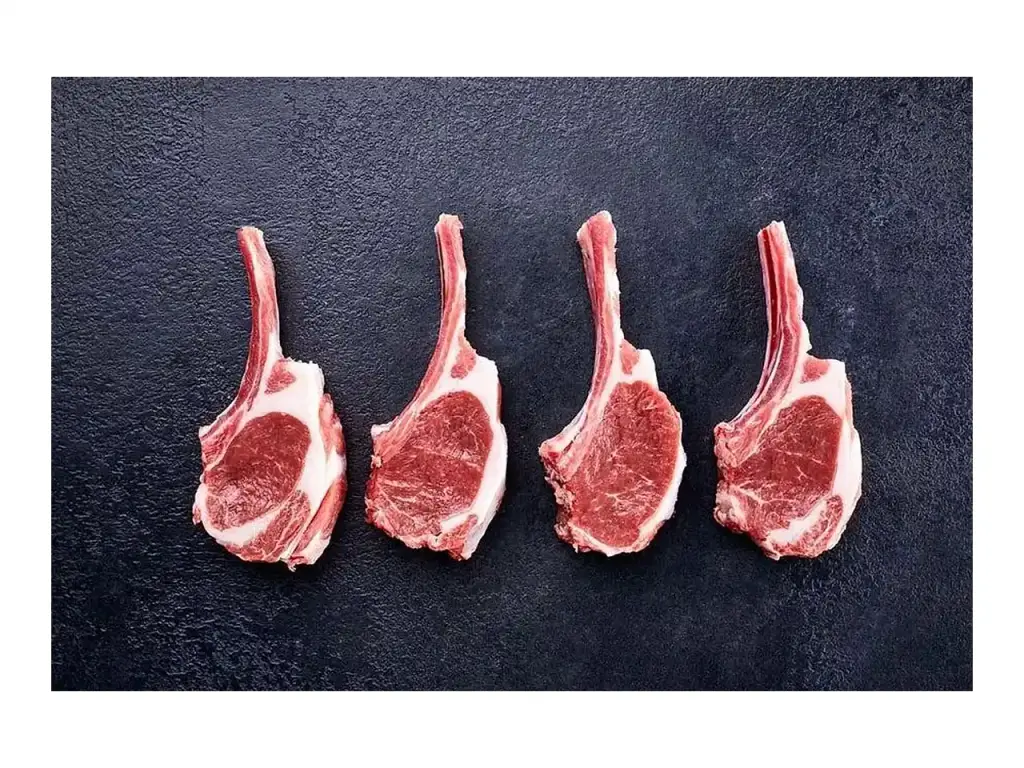
Chops, cutlets and specials
For chops, the thermometer is tricky because the meat is thin. Insert it from the side into the centre. Halal lamb chops are best at 58 to 60°C, and halal lamb loin chops at the same. Searching for halal lamb chops near me? We deliver them across Sydney and Australia-wide. Bulk lamb chops save money for families. Lamb neck chops near me searches lead to cuts that need slow cooking, to 90°C or above, rather than a quick grill.
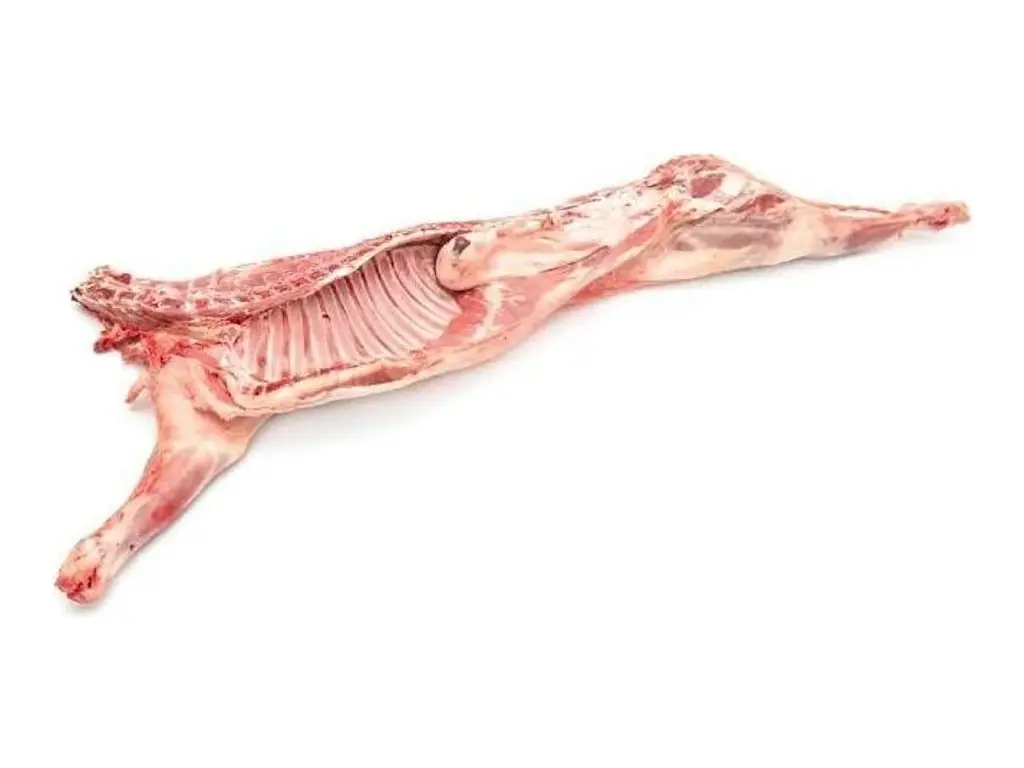
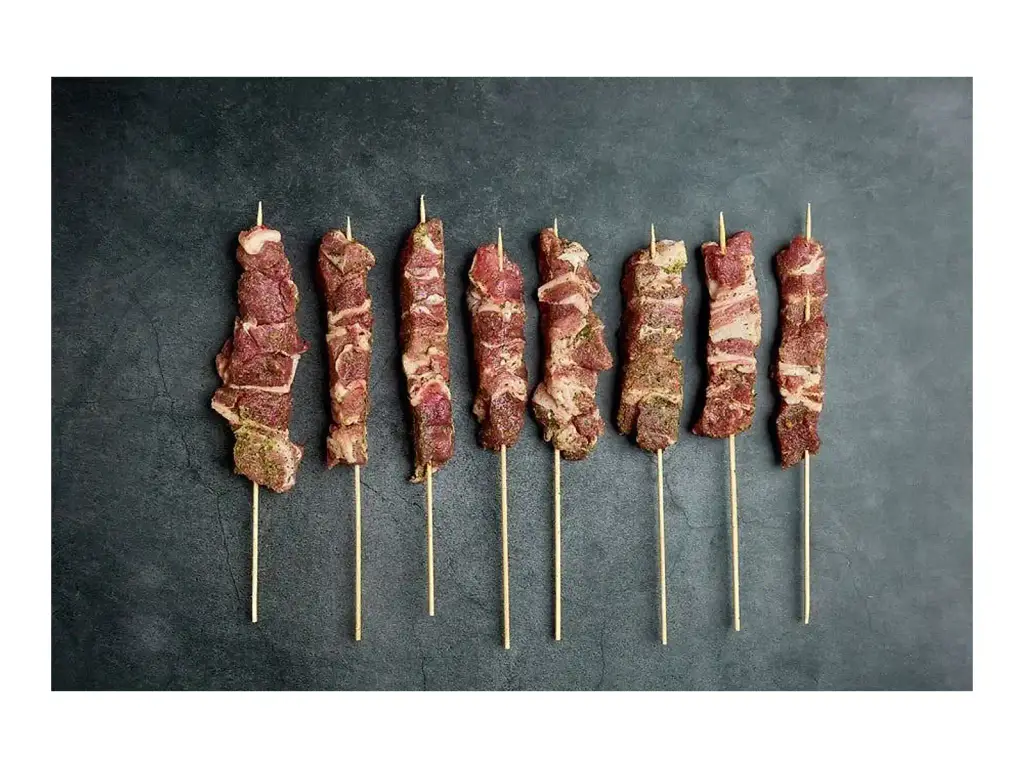
Our lamb specials leg steaks cook quickly. For a feast, whole lamb for sale as a half carcass can be roasted on a spit to 70°C, and for a snack, the lamb kebab near me skewers are done at 63°C. The lamb cutlets price is shown per pack and per kilo. See all lambs for sale.
Lamb temperature questions
What temperature is lamb safe at?
Whole cuts of lamb are safe once they reach 63°C and rest for three minutes, although many people prefer a lower, pinker centre for tender cuts. Mince and minced products need 75°C.
Does lamb need to rest?
Yes: 10 minutes for chops and 20 minutes for a roast. The temperature rises by 3 to 5°C during the rest.
Why is my lamb tough?
Either undercooked slow-cooking cuts or overcooked lean ones. Shoulder needs hours; loin needs minutes.
A quick reference for common cuts
Keep this list near the kitchen. Lamb loin chops and cutlets: pull at 54 to 57°C for medium-rare. Leg roast: 58 to 62°C for medium, resting for 20 minutes. Rack: 52 to 54°C, resting for ten minutes. Shoulder for pulling: 90 to 95°C, when a fork twists in easily. Mince, sausages and rolled roasts: at least 75°C all the way through. Lamb ribs and neck: cook until tender rather than to a number, usually 90°C or higher.
A thermometer removes the guesswork, but it is worth learning the feel of each cut as well, because experience helps you judge when a roast is ready even before the probe confirms it. Calibrate your probe in iced water every few months, and clean it between uses. Remember that large roasts keep rising in temperature while they rest, and thin cuts rise less, so adjust your pull temperature to suit the size of the cut.
Buy halal lamb online
Every cut in our halal lamb range is certified halal by Halal Control Australia and delivered chilled from Greenacre, Sydney, to anywhere in Australia.