
Meat thermometer steak guide to hit medium rare every time: target temperatures, when to pull the steak, cooking times and the best halal steaks.
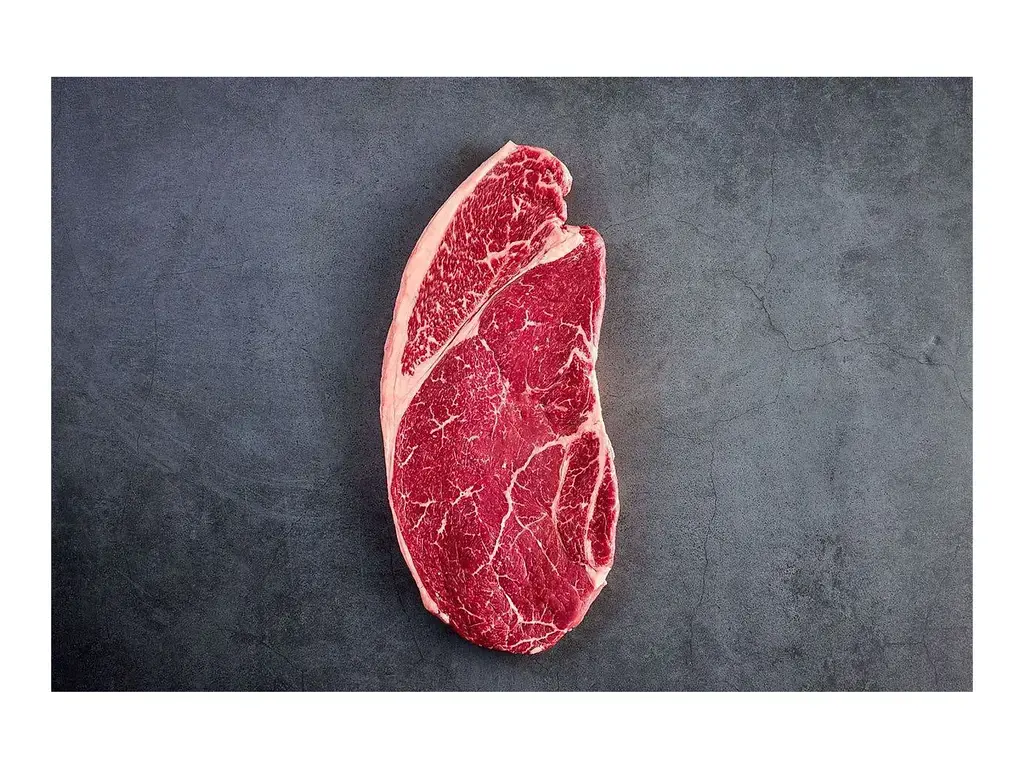
A meat thermometer steak check is the surest way to reach medium rare every time. Medium-rare is the doneness most chefs recommend for a good steak: warm, rosy pink from edge to edge, juicy and tender. Getting there reliably is easy once you understand two numbers, the target temperature and the pull temperature, and a few simple techniques. This guide covers the correct medium rare beef steak temperature, how to cook medium rare steak in a pan or on the barbecue, cooking times by thickness, and which cuts suit it best.
The target temperature
A medium-rare steak has a core temperature of about 55 to 57°C after resting. At this temperature, the fat has started to soften and render, the muscle fibres are firm but not tight, and the meat is pink and juicy throughout. For reference:
| Doneness | Core temperature | Pull off the heat at |
|---|---|---|
| Rare | 50 to 52°C | 46 to 48°C |
| Medium-rare | 55 to 57°C | 51 to 53°C |
| Medium | 60 to 63°C | 56 to 58°C |
| Medium-well | 65 to 68°C | 61 to 63°C |
| Well done | 70°C and above | 66°C |
Why pull the steak early
A steak keeps cooking after you take it off the heat, because heat continues to move from the hot outside to the cooler centre. This "carryover cooking" usually adds 3 to 5°C to a typical steak, and more to a thick one. So for medium-rare, take the steak off the heat at about 51 to 53°C and let it rest for 5 to 10 minutes. An instant-read thermometer inserted horizontally into the thickest part is by far the most reliable way to check.
How to cook medium rare steak in a pan
- Take the steak out of the fridge 30 to 45 minutes ahead and pat it dry.
- Season generously with salt just before cooking (or 40 minutes or more ahead).
- Heat a heavy frying pan, ideally cast iron, until it is very hot.
- Add a thin film of high-smoke-point oil and lay the steak in.
- Cook without moving it for 2 to 3 minutes until a deep crust forms, then turn.
- Turn every minute or so after that for even cooking, and check the temperature.
- In the final minute, add butter, garlic and herbs and baste if you like.
- Remove at 51 to 53°C and rest for 5 to 10 minutes.
How long to cook medium rare steak
If you are wondering how long to cook medium rare steak, the answer depends on thickness, starting temperature and the heat of your pan. As a guide, for a very hot pan or grill and a steak at room temperature:
| Steak thickness | Approximate total time | Rest |
|---|---|---|
| 1.5 cm | 3 to 4 minutes | 3 minutes |
| 2.5 cm | 5 to 7 minutes | 5 minutes |
| 3.5 cm | 8 to 10 minutes | 8 minutes |
| 5 cm and thicker | Reverse sear: see below | 10 minutes |
These steak cooking times medium rare are a starting point. Always confirm with a thermometer or the touch test, because grills and pans vary enormously.
Reverse searing thick steaks
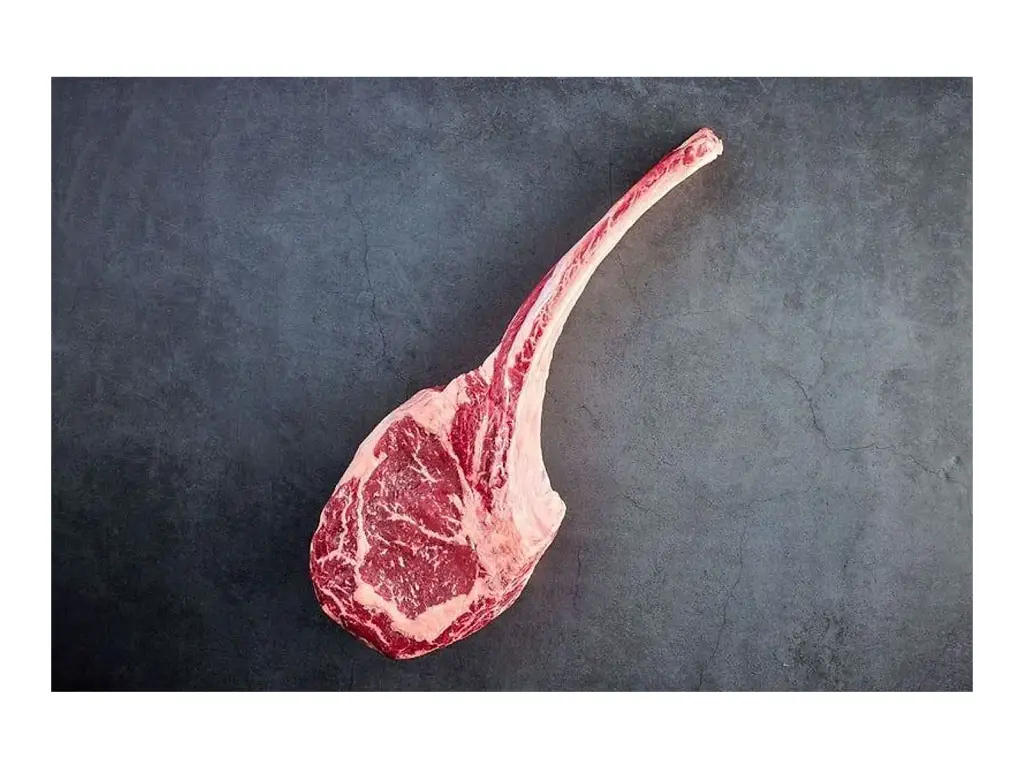
For steaks 4 cm or thicker, such as a tomahawk or T-bone, cook them gently first and sear them last. Place the seasoned steak on a rack in a 110 to 120°C oven until it reaches 45 to 48°C inside (30 to 50 minutes), then sear in a smoking-hot pan for 1 minute a side. You get an even pink centre and a great crust.
The touch test
Without a thermometer, press the centre of the steak with your finger. Rare feels very soft, like the fleshy part of your palm below the thumb when your hand is relaxed. Medium-rare has a gentle spring, like that same spot when you touch your thumb to your index finger. It takes practice, so use a thermometer while you learn.
The best steak cut for medium-rare
Medium-rare suits almost every steak, but some shine particularly well. The best steak cut for medium-rare depends on what you like:
- Scotch fillet: rich and juicy; its marbling renders beautifully at medium-rare.
- Porterhouse: firm and beefy, at its best at medium-rare.
- Eye fillet: very tender and lean; never cook past medium.
- Rump: full of flavour; medium-rare keeps it tender.
- Wagyu: heavily marbled; many prefer medium-rare to medium so the fat fully softens.
Why buy from a steak butcher
A good steak butcher can cut steaks to an even thickness, which is the secret to even cooking. Thin, uneven steaks overcook at the edges before the centre is ready. Aim for steaks at least 2.5 cm thick for a juicy medium-rare. If you have been searching for steak halal near me, we cut and deliver certified halal steaks Australia-wide, and you can compare each steak price per kilo on the product pages before you order.
Medium-rare steak questions
Is medium-rare steak safe?
Whole-muscle steaks are generally considered safe to eat medium-rare, because any bacteria are mostly on the surface and are killed by searing. Minced beef and burgers are different and should be cooked to 75°C. Pregnant women, young children and people with weakened immune systems may prefer steaks cooked to medium or beyond.
Why is my medium-rare steak grey around the edges?
The heat was too low or the steak was cooked for too long on each side. Use a hotter pan, turn more often, or use the reverse sear method for thick steaks.
Does resting really matter?
Yes. It lets carryover cooking finish and allows juices to settle, so far less ends up on the plate when you cut it.
Choosing a meat thermometer
A good instant-read digital thermometer is the single most useful tool for cooking steak. Look for one that reads in two to three seconds and has a thin probe, so you do not lose juices through a large hole. Insert it horizontally from the side of the steak into the very centre, avoiding bone and fat, which give misleading readings. For thick steaks and roasts, a leave-in probe thermometer with an alarm lets you cook without opening the oven or barbecue lid.
Check the accuracy of your thermometer occasionally by placing the probe in a glass of iced water: it should read 0°C. If it is off by a degree or two, remember the difference or calibrate it according to the manufacturer's instructions.
Medium-rare on the barbecue
Barbecues vary much more than pans, so a two-zone fire is the most reliable approach. Set one side to high and leave the other side on low or off. Sear the steak over the hot side for 1 to 2 minutes a side to build a crust, then move it to the cooler side and close the lid until it reaches 51 to 53°C. This prevents flare-ups from charring the outside before the centre is ready.
Choosing a meat thermometer for steak
An instant-read digital probe is the best tool: it reads in two to three seconds, so you can check several steaks without losing heat. Insert it sideways into the thickest part, away from the bone and fat. Calibrate it in iced water; it should read 0°C. Clean the probe with hot, soapy water between uses, particularly if you check raw and cooked meat. Probes with a thin tip leave the smallest mark.
Temperatures by cut
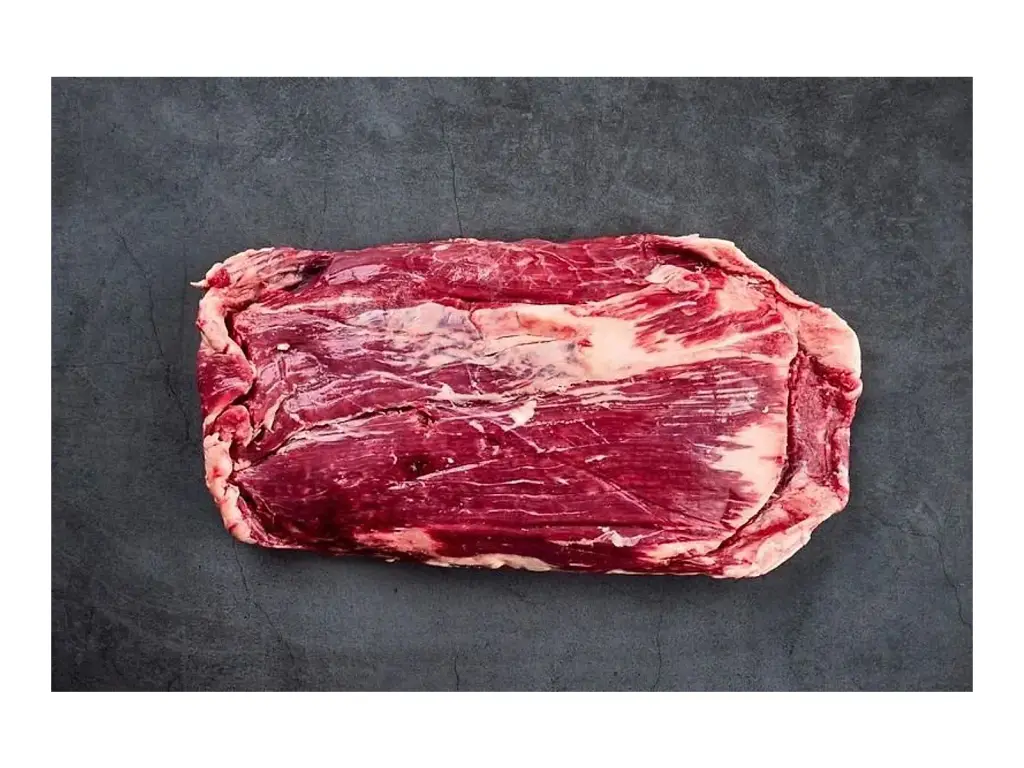
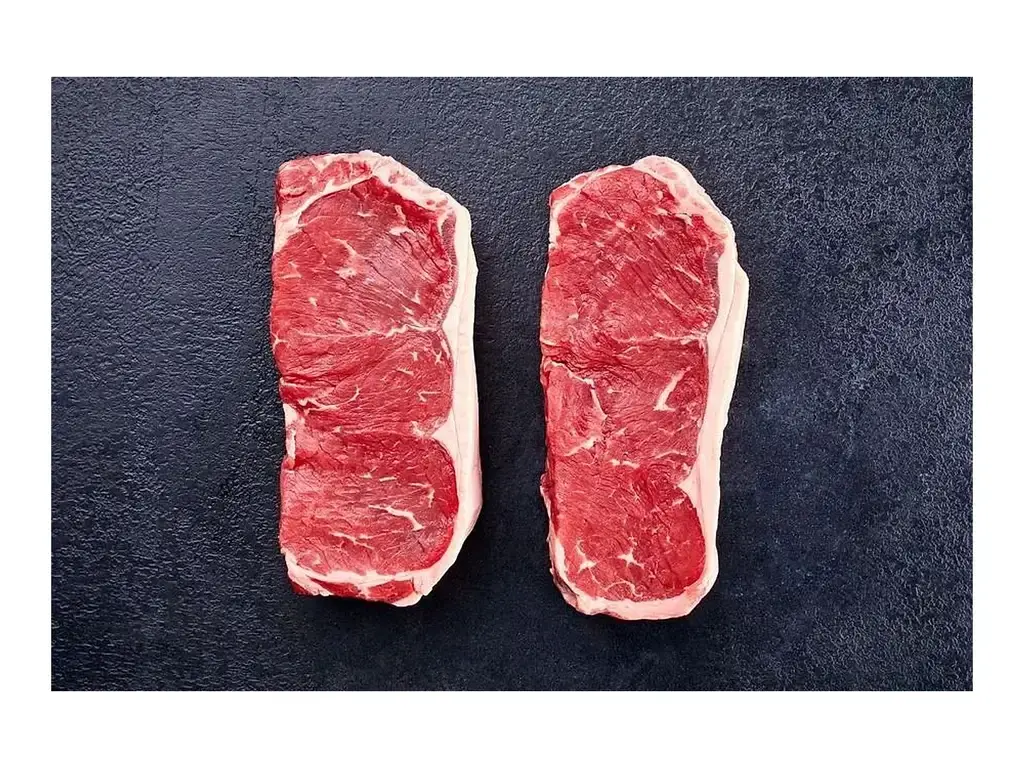
Thin cuts like a sirloin steak cook so fast that you need to check early. A thicker sirloin cut steak or minute steak is done in a minute or two a side. A flat iron steak beef cut from the shoulder is best at medium-rare, around 54°C, because it toughens beyond that. Our beef blade steak is better braised, but a thin-cut blade cooks well in a hot pan. See our beef oyster blade steak guide for details.
Premium steaks deserve care. A Wagyu steak has so much marbling that medium-rare is the sweet spot, and a Wagyu rump steak rewards a thermometer. Lean game steaks such as flank steak beef benefit from a probe as well. Check the porterhouse steak price and the tomahawk steak price for bigger cuts, which need a probe to cook through the thick centre without burning the outside.
Steak butchers and shoppers searching for steaks halal near me will find every cut delivered from our Greenacre depot. Every halal steak is certified by Halal Control Australia, and a halal beef steak cut to order is fresher than one that has sat in a display case. We also cover the same temperatures in our medium rare beef steak temperature chart above.
Thermometer questions
Where do I put the probe?
Into the centre of the thickest part of the steak, sideways, avoiding bone and fat pockets. For thin steaks, slide the probe in through the edge so the tip sits in the middle.
Do I need a thermometer for thin steaks?
It is hard to probe a steak under 2cm. Use time and touch instead, then check with the probe from the side.
Does carryover cooking matter?
Yes. The temperature rises by 3 to 5°C while a steak rests, so pull it just before the target. A thick steak rises more than a thin one.
Keep a simple record
Write down the thickness, the pan heat and the time it took the first time you cook a steak well. Next time, repeat it exactly. Within a few steaks you will know your own stove, and the thermometer becomes a quick check rather than a necessity. Always clean and dry the probe before you put it away.
Buy halal steak online
Every steak in our halal beef range is certified halal by Halal Control Australia and delivered chilled from Greenacre, Sydney, to anywhere in Australia.