
Meat tenderiser guide: seven methods to tenderise beef steak, from pounding and dry brining to baking soda, plus the best cuts for tender results.
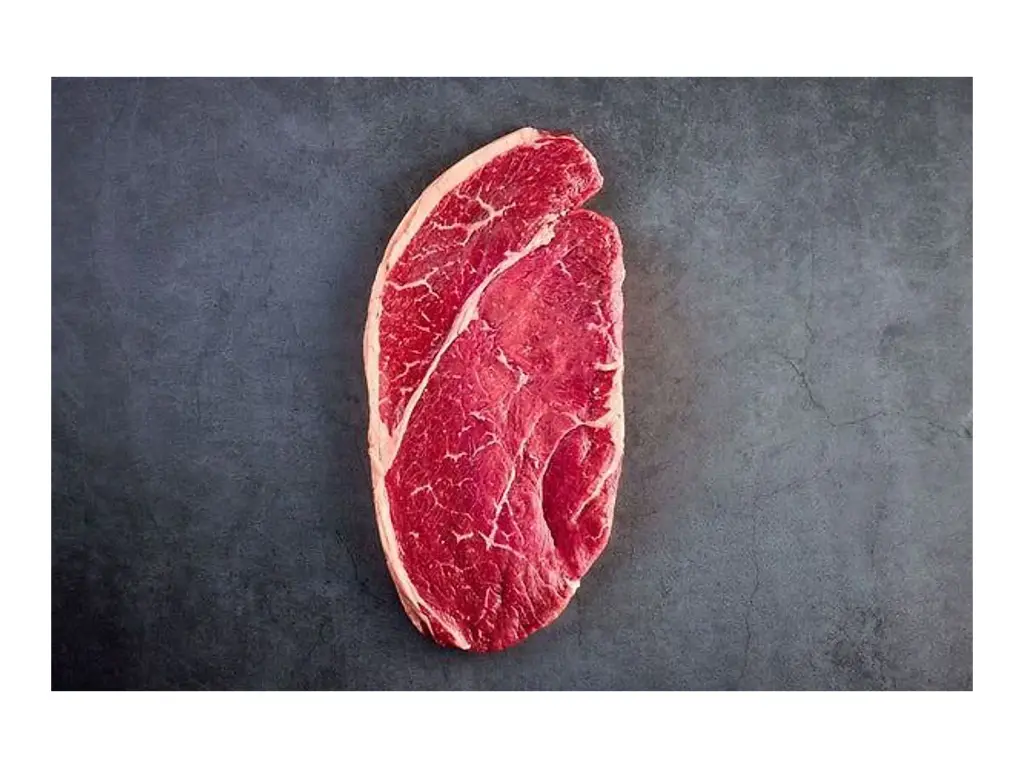
A meat tenderiser is just one of several ways to make steak soft, and often the least important. Tender steak is the goal of every home cook, but not every cut starts out tender, and even good steaks can turn chewy with the wrong treatment. The good news is that there are several simple, reliable ways to make beef more tender, from pounding and salting to marinating, slicing and choosing the right cooking method. This guide explains how to tenderise beef steak with seven methods, when to use each one, and which cuts benefit most.
Why some steaks are tough
Tenderness depends on three things: the muscle the steak comes from, how much connective tissue it has, and how it is cooked. Muscles that do little work, such as the eye fillet, are naturally tender. Muscles that work hard, such as the shoulder, leg and flank, have more and tougher connective tissue and coarser fibres. Overcooking any steak tightens the fibres and squeezes out moisture, making even premium cuts tough. Tenderising helps by physically breaking up fibres, changing the meat's chemistry, or shortening the fibres you chew.
1. Choose the best cut of steak for the job
The simplest way to get a tender steak is to start with one. The best cut of steak for tenderness is the eye fillet, followed by scotch fillet and porterhouse. Rump is firmer but full of flavour, and benefits from some of the methods below. For the barbecue, the best steak for bbq is usually scotch fillet: its marbling keeps it juicy over high heat and forgives a few extra seconds on the grill.
2. Pound it
Pounding with a meat mallet breaks up muscle fibres and connective tissue and evens out the thickness. It is ideal for schnitzels, minute steaks and thin steaks for sandwiches. Place the steak between sheets of baking paper and pound from the centre outwards to an even thickness. A tenderiser with a spiked face is more aggressive and good for tougher cuts such as topside.
3. Salt it ahead (dry brining)
Salting a steak at least 40 minutes, and up to 24 hours, before cooking makes it juicier and more tender. Salt first draws moisture out, then that salty liquid is reabsorbed and begins to break down some of the muscle proteins. Use about 1 teaspoon of kosher salt per 500 g of steak, and leave it uncovered on a rack in the fridge. The dry surface also gives a better sear.
4. Use a marinade (with care)
Acidic marinades (lemon, vinegar, yoghurt) and enzyme-rich ingredients (pineapple, papaya, kiwi fruit, grated pear) can tenderise the surface of meat. Yoghurt and grated pear are gentle and effective; fresh pineapple and kiwi are powerful and can turn meat mushy if left for more than an hour or two. Marinades only penetrate a few millimetres, so they work best on thin cuts and small pieces.
5. Tenderize beef with baking soda
To tenderize beef with baking soda, a technique Chinese cooks call velveting, toss thinly sliced beef with a small amount of bicarbonate of soda: about 1/2 teaspoon per 500 g, dissolved in a tablespoon of water. Leave it for 15 to 20 minutes, then rinse well and pat dry. The baking soda raises the pH on the meat's surface, which makes it harder for the proteins to bond tightly during cooking, so the beef stays soft and juicy. This is the best way to tenderise beef for stir fry.
After rinsing, many cooks add a light marinade of soy sauce, cornflour and oil, which coats the beef and protects it in the hot wok. Our rainbow beef recipe uses this method.
6. Slice against the grain
Even a tough steak becomes more tender if you shorten the fibres you have to chew. Look at the cooked steak and find the direction of the muscle fibres, then slice across them, not along them. This matters most with flank, skirt and hanger, but it improves every steak.
7. Cook it correctly
The right cooking method is often the most effective tenderiser. Tender cuts should be cooked quickly to medium-rare or medium. Tougher cuts with lots of connective tissue, such as chuck, blade and shin, become tender only with long, slow, moist cooking. Trying to grill those cuts quickly is the most common cause of tough beef. Our guide to medium rare beef steak temperature covers cooking times.
How do I tenderise beef for different dishes?
If you are asking "how do I tenderise beef" for a particular meal, here is a quick guide:
- Stir-fry: slice thinly across the grain and use baking soda or a cornflour marinade.
- Schnitzel: pound thin, then crumb.
- Steak on the grill: dry brine for a few hours and cook to medium-rare.
- Kebabs: marinate in yoghurt or grated onion for 4 to 12 hours.
- Stew or curry: choose a collagen-rich cut and simmer gently for 2 hours or more.
Buying steak: quality over discounts
It can be tempting to wait for steaks on sale, but the most reliable way to get a tender steak is to buy the right cut, store it well and cook it properly. If you have been searching for steaks halal near me, we deliver certified halal steaks across Australia from our depot in Greenacre, Sydney, so you can choose exactly the cut and thickness you want.
Tenderising questions
Does a meat tenderiser powder work?
Commercial powders use enzymes such as papain (from papaya). They work on the surface but can make meat mushy if overused. Read the label carefully, and use them sparingly.
Can I tenderise a steak after cooking?
Not really, but slicing it thinly across the grain makes it much easier to eat. Tough leftover steak is also great chopped into fried rice or simmered in a sauce.
Does resting make steak more tender?
Resting does not change the fibres, but it lets the juices redistribute so less moisture runs out when you slice, which makes the steak taste juicier and more tender.
If you are cooking a thin steak quickly for a sandwich, resting for just a minute or two is enough. Thick steaks and roasts need longer: around 5 to 10 minutes for steaks and 15 to 20 for roasts.
Mechanical tenderising: mallets and blades
A meat tenderiser comes in two main forms. A flat or spiked mallet breaks muscle fibres by pounding, which suits thin cuts for schnitzel and stir-fries. A blade tenderiser pushes small blades through the meat to cut tough fibres, which helps thicker steaks. Use either on a clean board, cover the meat with baking paper if you are pounding, and wash the tool well afterwards. Blade tenderising can carry surface bacteria into the middle of a steak, so cook blade-tenderised steaks right through rather than rare.
Start with a cut that is already tender
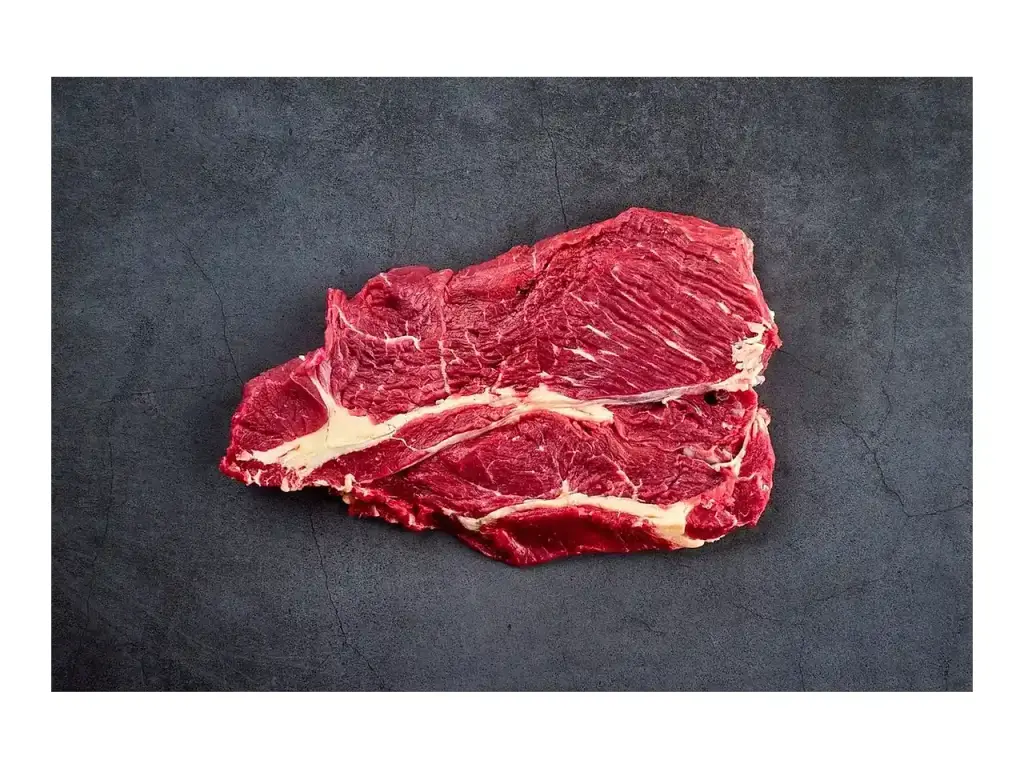
The easiest way to get a tender steak is to buy one. A beef blade steak cut thin cooks well, and beef oyster blade is one of the most tender shoulder muscles once the gristle is trimmed. Our beef oyster blade steak recipe shows how, and oyster blade beef is sold as flat iron steak. A beef chuck steak needs slow cooking or marinating rather than a fast sear.
Rump is the budget steak that most benefits from a little help. On rump vs sirloin, sirloin is naturally softer. Sirloin vs rump on price goes the other way. The same comparison appears as rump versus sirloin and rump vs sirloin steak in searches, and as sirloin steak vs rump steak. Whichever you buy, slice rump thinly across the grain. A rump steak Wagyu grade is tender enough to need no help at all. Check the rump steak price per kilo before you decide.
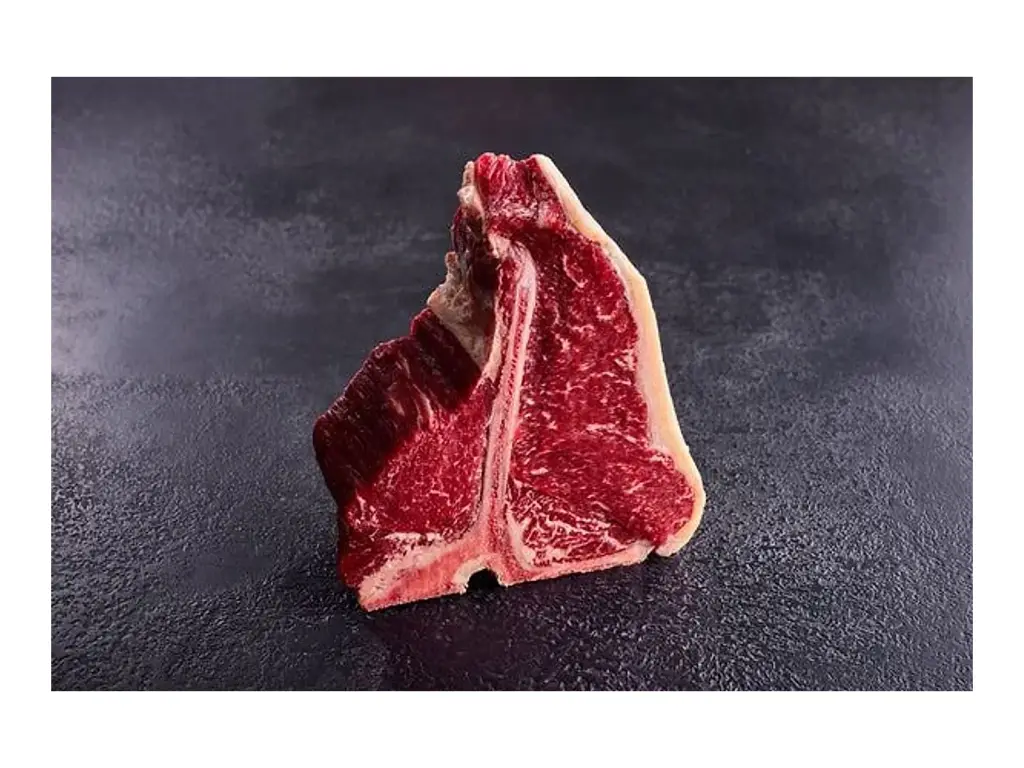
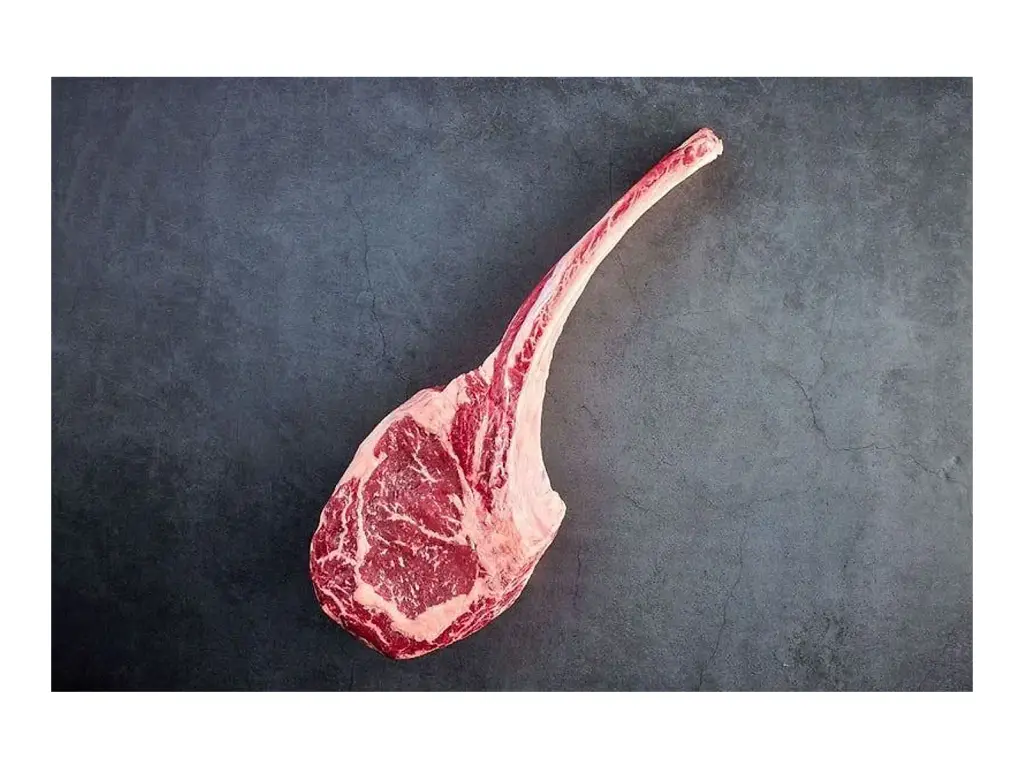
For a thick, bone-in steak that is tender from the start, a beef steak T-bone cut Fiorentina-style is hard to beat, and the tomahawk steak price shows what you pay for a showpiece. All are certified halal by Halal Control Australia. See every cut in our halal beef range.
Tenderising questions
Does salt tenderise steak?
Yes, over time. Salting a steak 40 minutes to a day ahead lets the salt draw out moisture, dissolve, and be reabsorbed, which seasons the meat deeply and helps it hold juice.
How long should I tenderise with a marinade?
Between one and four hours for most marinades. Acidic ones, with lemon or vinegar, can make the surface mushy if left overnight. Enzyme tenderisers such as pineapple or papaya are stronger still, so use them for only 30 minutes.
Is tenderising the same as aging?
No. Dry aging lets natural enzymes soften beef over weeks in a controlled fridge. Tenderising speeds things up at home, with salt, acid, pounding or enzymes, within a few hours.
One last tip
Whatever method you choose, finish with the same two habits: let the steak rest after cooking, and slice it across the grain. Those two steps make more difference than any gadget.
Buy tender halal steak online
Eye fillet, scotch fillet, porterhouse, rump and Wagyu steaks are all in our halal beef range, certified halal by Halal Control Australia and delivered chilled Australia-wide.