
What is halal beef? A complete buyer's guide to certification, cuts, Wagyu grades, bulk and wholesale buying, and how to order halal beef online in Australia.
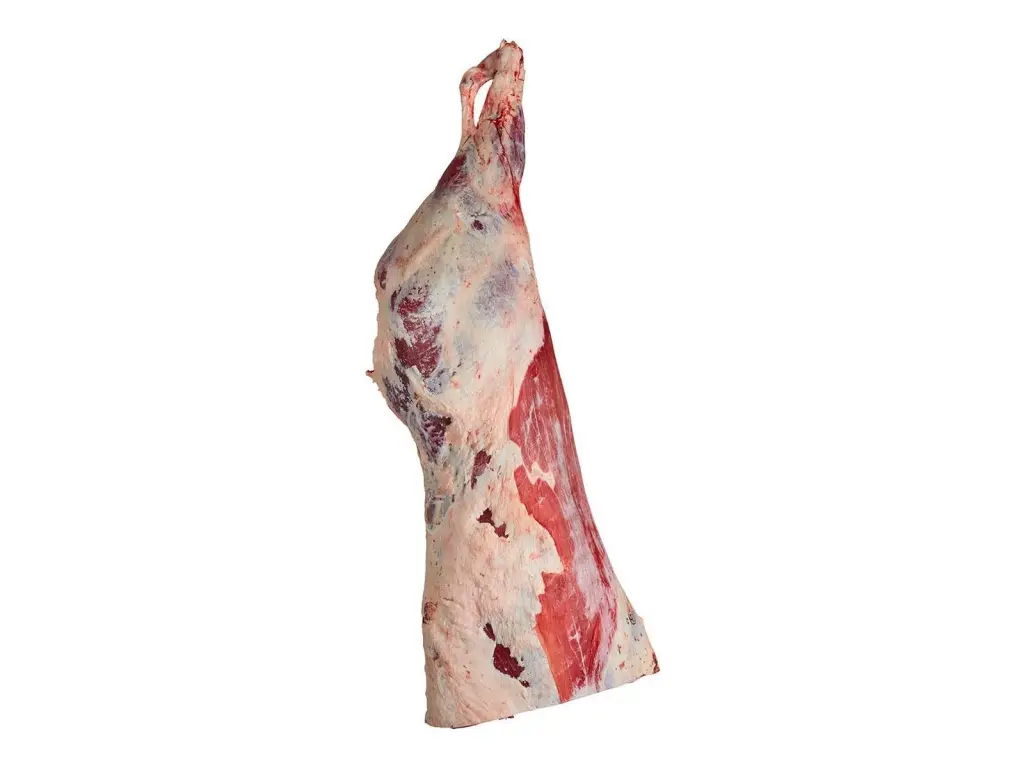
What is halal beef, and how do you buy it with confidence? Halal beef is meat from cattle that have been slaughtered and processed in line with Islamic law and certified by a recognised body. It is the foundation of many family meals, from mince and stews to steaks and roasts. This guide explains what halal means for beef, how to buy it, the main cuts, how Wagyu grades work, and how to order in bulk.
What makes beef halal?
Beef is halal when the animal is a permitted species, healthy, and slaughtered by a Muslim who invokes the name of God, with a swift cut that drains the blood. The meat must also be kept separate from non-halal products and free of prohibited ingredients. Certification gives assurance that these requirements have been audited. Different certifiers have slightly different standards, so check the name. All our beef is certified halal by Halal Control Australia, and our certificate is published on our certification page.
Choosing halal beef cuts
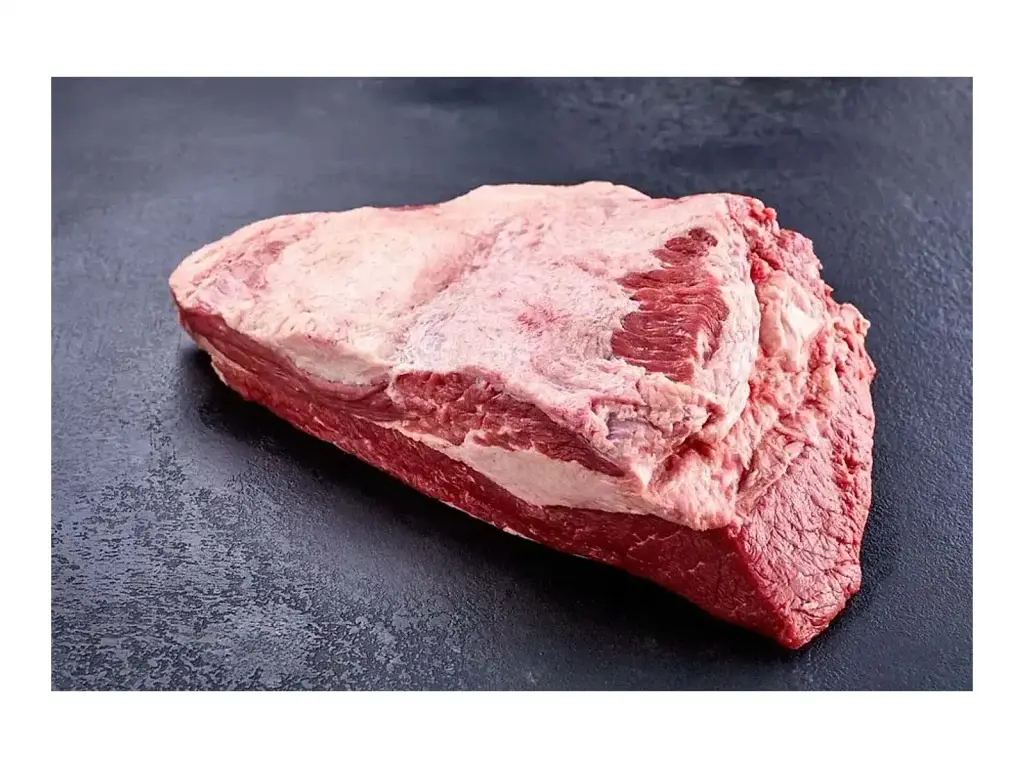
A good halal supplier offers the whole range of cuts. For steaks, look for scotch fillet, porterhouse, eye fillet and rump. For roasts, choose topside, rump or rib. For slow cooking, choose chuck, brisket, shin and oxtail. For quick meals, choose mince, strips and diced beef. We cut every pack to order in Greenacre, and our halal beef category lists them all. Halal beef mince is the most versatile, and our halal beef mince is a family favourite. For a beef steak, our halal beef steak range includes spider steaks and more, and a brisket for smoking comes with a clear beef brisket price.
Wagyu: grades explained
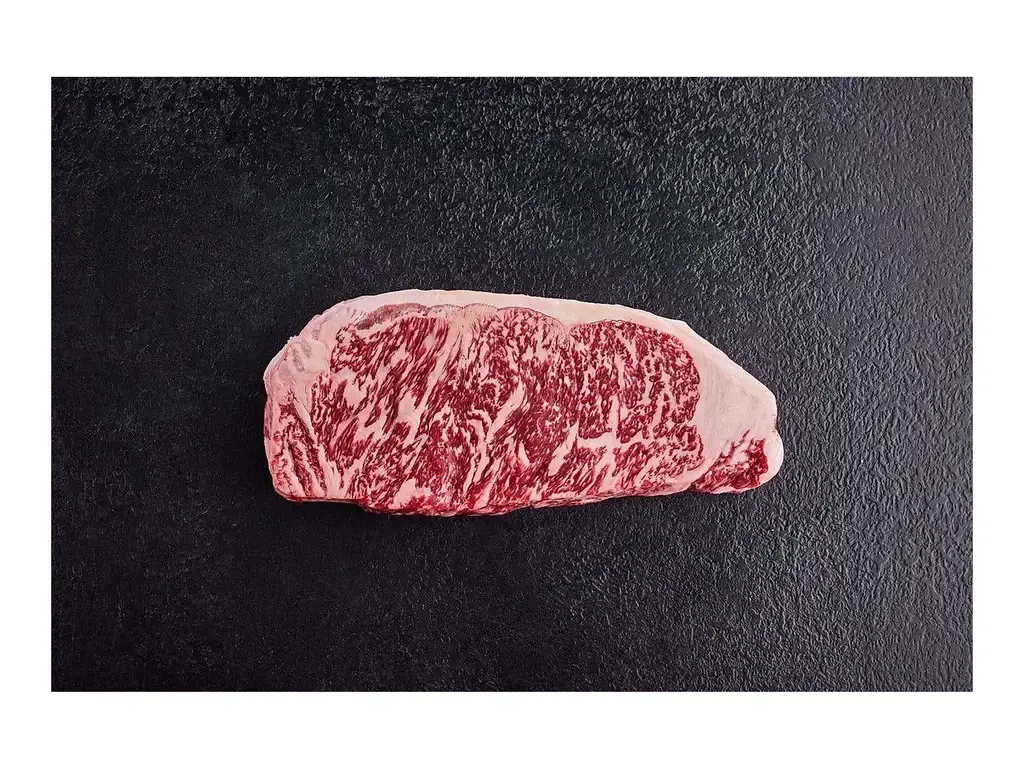
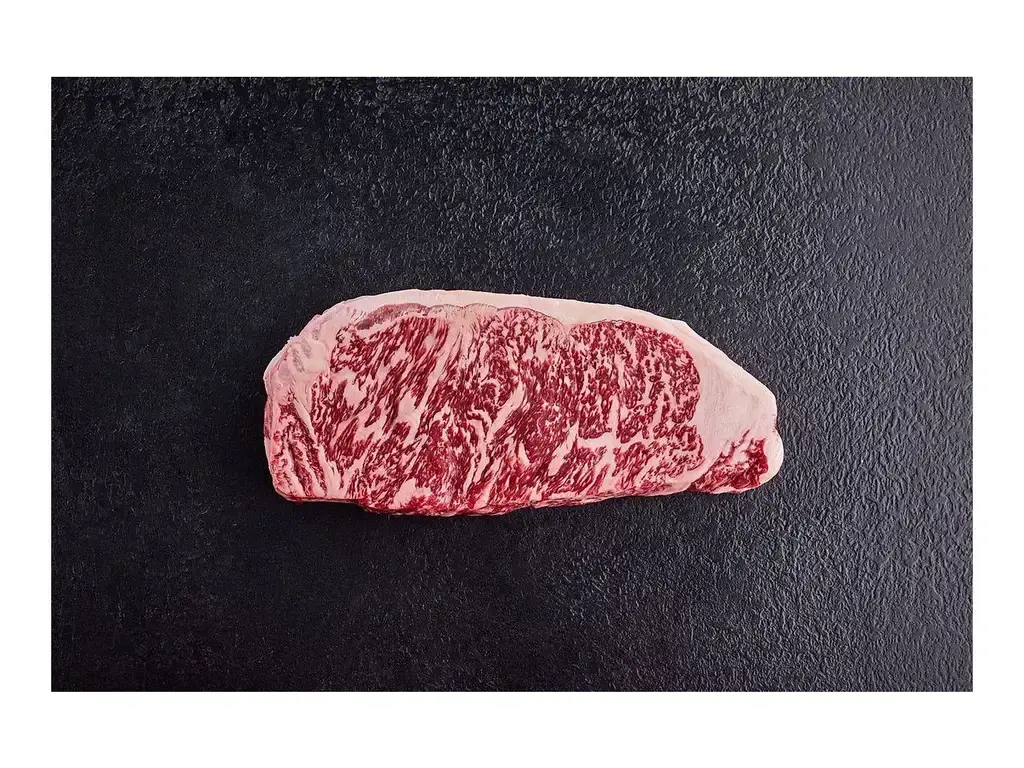
Wagyu is a Japanese breed famous for marbling. In Australia, marbling is scored on the AUS-MEAT marble scale from 0 to 9, and Wagyu steaks are sold by marble score, such as MB5+ or MB9+. A higher score means more intramuscular fat, a richer flavour and a softer texture. Customers search for Australian Wagyu beef grades and Australian Wagyu beef grading; the marble score is the key number to look for, and the breed details on the product page. We make no claims about origin beyond what is stated there.
A Wagyu beef porterhouse is a good first Wagyu steak. If you are searching for a Wagyu butcher near me, we deliver from Greenacre, and halal Wagyu beef Sydney orders get Priority Delivery. Wagyu beef Australian shoppers also ask about Wagyu beef Australian options such as rump; and for a luxurious steak, an Australian Wagyu beef eye fillet is the top choice.
Bulk and wholesale halal beef
Families, restaurants and caterers buy beef in bulk for savings and convenience. A bulk beef purchase such as a hindquarter gives you steaks, roasts and mince. Businesses ask about halal beef wholesale and grass fed bulk beef; our trade accounts offer cartons of primals, mince and diced beef, with a regular price sheet. Check the specifications on each product page. We also stock offal such as tendon: people ask whether beef tendon halal products are available, and our tendon is certified like the rest of our range.
Halal beef questions
Is halal beef more expensive?
Not inherently. Price depends on the cut, grade and pack size, not on the halal certificate.
Is halal beef different to normal beef?
The meat is the same; the difference is in slaughter, handling and certification.
Can I buy halal beef online?
Yes. We deliver chilled across Sydney and Australia-wide.
Buying halal beef with confidence
When you buy halal beef, there are a few checks worth making. Ask for the name of the certifier, check the certificate is current, and look at the labelling on the pack. A reputable supplier will answer questions openly. Compare price per kilo, not per pack, and check how the meat is packed and delivered. At Halal Meat Depot, every pack shows its weight, price and price per kilo.
Think about how you will use the beef. For weeknight meals, mince, diced beef and strips are the staples. For weekends, steaks and roasts are the treat. For batch cooking, chuck, brisket and shin give the best value. For entertaining, a tomahawk, a rib roast or a Wagyu steak makes an impression. Match the cut to the cooking method, and you will get the best from each.
Storage is simple. Keep raw beef in the coldest part of the fridge and use within three days, or freeze on arrival. Freeze mince flat in bags, steaks in individual wraps, and large cuts tightly sealed. Thaw in the fridge. Cook mince to 75°C; whole cuts can be cooked to your preference. Wash your hands and boards after handling raw beef.
Cooking with halal beef is the same as with any beef, with the added need to avoid alcohol in marinades and sauces. Use stock, vinegar, juice or lemon in place of wine. Check labels on ready-made sauces, stocks and seasonings. A little care keeps your cooking fully halal, and plenty of delicious recipes need no alcohol at all.
Online buying has become the easiest way to access halal beef for many people. You can browse the range, compare prices, order at any hour and have your order delivered. Our minimum order is $250 across the whole cart, and delivery is free over $500. Payment options include PayID, bank transfer and crypto. If you have questions, we reply by WhatsApp and email.
Halal beef is more than a label; it is a promise of care, from farm to table. By choosing a certified supplier, you support those standards and feed your family with confidence. We take pride in offering a full range, from mince to Wagyu, with clear information and honest service. Browse the whole halal beef range, and order with peace of mind.
Cooking halal beef: methods, cuts and tips
Every cut of beef has an ideal cooking method. Steaks, such as scotch fillet, porterhouse and eye fillet, suit quick, high-heat cooking in a pan or on the grill. Cook them to your liking, rest them and slice across the grain. Roasts, such as topside, rump and rib, need an oven; use a thermometer and rest the meat before carving. Tougher cuts, such as chuck, brisket and shin, need slow, moist cooking, such as braising or slow cooking.
Mince is the all-rounder: use it for bolognese, tacos, burgers, rissoles, meatballs and pies. Cook it until it is browned and no pink remains, to 75°C. Strips and diced beef suit stir-fries, curries and stews. Ribs suit slow cooking or barbecuing. Offal, such as liver, tongue and oxtail, rewards slow cooking and strong flavours. Learn the cuts, and you can cook beef for every occasion.
Seasoning is key. Salt your beef before cooking, and use black pepper, garlic, herbs and spices to build flavour. For roasts, rubs of salt, pepper and herbs work well. For stews, add bay leaves, thyme and a splash of vinegar or tomato for depth. Always check ready-made sauces, stocks and marinades for alcohol, which is not permitted in halal cooking. Fresh ingredients and simple seasoning let good beef shine.
Resting is the difference between good and great. After cooking, let steaks rest for about five minutes and roasts for twenty. The juices redistribute, and the meat becomes tender and moist. Cover loosely with foil to keep it warm. Slice across the grain for the most tender result. A sharp knife and a clean board make the job easier.
Think about the whole meal too. Pair rich beef with fresh sides such as salads, steamed greens or roasted vegetables, and add a sauce that suits the cut. For steak, a pepper sauce or chimichurri works well. For roast beef, gravy and horseradish are classic. For stews, serve with mash, rice or bread. A thoughtful accompaniment makes simple beef into a memorable meal.
If you are new to cooking beef, start simple. Pan-fry a steak, roast a small joint, or make a mince-based dinner. Use a thermometer, follow the timings, and learn how your stove and oven behave. Each meal teaches you something, and your skills grow quickly. Our blog has recipes and guides for almost every cut we sell, and we are always happy to answer questions about what to buy and how to cook it.
Questions to ask before you buy
Before you buy halal beef, ask three questions. Who certifies it, and is the certificate current? How is it packed and delivered? What does it cost per kilo? A good supplier answers all three clearly. If you want more detail, such as the grade of Wagyu or the weight of a primal, ask us, and we will give you precise information. Informed shoppers get the best value, and we welcome questions.
We also publish each pack's weight, price and price per kilo, so you can compare cuts and sizes easily, and we update our certificate whenever it is renewed. Transparency is a core part of how we work, and we think it is what customers deserve when they are buying meat online. If anything on a product page is unclear, send us a message and we will explain.