
Japanese curry dishes at home: a rich, mild beef curry rice recipe, the best chuck cuts, serving ideas, toppings and when to splurge on Wagyu.
Japanese curry dishes are thick, sweet and mild, and beef curry rice is the family favourite. Japanese curry is unlike any other curry you have tried. It is thick, glossy and mild, with a gentle sweetness from grated apple and honey, and it is served over a mound of sticky rice. It is one of Japan's most popular home-cooked meals, eaten by children and adults alike, and it is easy to make. This Japanese beef curry recipe shows you how to make the curry roux from scratch, so you control the ingredients and avoid the additives in some packet blocks.
A short history of Japanese curry
Curry arrived in Japan in the late 1800s via the British Navy, which had adopted it from India. The Japanese adapted it into a thick stew with a flour-based roux, closer to a European gravy than an Indian curry, and it became a staple of school lunches and military mess halls. Today kare raisu (curry rice) is considered a national dish, and every family has its favourite version.
Choosing the beef
Japanese curry simmers for 1.5 to 2 hours, so it needs a cut that becomes tender with time. Chuck steak is the classic choice. Gravy beef gives a silkier sauce, and beef cheeks make an indulgent version. For a quick curry, some cooks use thinly sliced beef such as our Wagyu yakiniku, added in the last 10 minutes. Cut slow-cooking beef into 3 to 4 cm chunks.
Japanese beef curry recipe
Serves six.
Curry
- 1 kg chuck steak, cut into 3 to 4 cm pieces
- 2 tablespoons oil
- 2 large onions, thinly sliced
- 2 carrots, cut into chunks
- 3 potatoes, peeled and cut into large chunks
- 1 apple, peeled and grated
- 1 litre beef or chicken stock
- 1 tablespoon honey, 2 tablespoons soy sauce and 1 tablespoon tomato sauce
Homemade curry roux
- 60 g butter
- 5 tablespoons plain flour
- 2 tablespoons mild curry powder
- 1 teaspoon garam masala
- 1/2 teaspoon each ground cumin and ground coriander
- 1/4 teaspoon cayenne pepper (optional, for heat)
Method
Heat the oil in a large pot and brown the beef in batches; set aside. Add the onions and a pinch of salt and cook slowly over medium-low heat for 20 to 25 minutes until deep golden and sweet. This caramelised onion is the secret to a rich Japanese curry. Return the beef, add the stock, grated apple, honey, soy and tomato sauce, bring to a simmer, cover and cook for 1 hour 15 minutes.
Add the carrots and potatoes and simmer for 25 to 30 minutes more, until the vegetables and beef are tender. Meanwhile make the roux: melt the butter in a small pan, stir in the flour and cook over low heat, stirring, for 8 to 10 minutes until it turns a light caramel colour. Add the spices and cook for 1 minute more. Remove from the heat.
Ladle a cup of hot liquid from the curry into the roux and whisk until smooth, then stir the mixture back into the pot. Simmer gently for 5 to 10 minutes, stirring, until thick and glossy. Taste and adjust with salt, a little more honey or soy.
Japanese curry recipe beef tips
- Caramelise the onions slowly: they give the curry its body and sweetness.
- Toast the roux until golden for a deeper, nutty flavour.
- Grated apple or a spoon of honey adds the gentle sweetness Japanese curry is known for.
- A square of dark chocolate or a teaspoon of instant coffee adds depth, a common Japanese home trick.
- Rest the curry overnight: like most stews, it tastes even better the next day.
Serving Japanese curry
Serve over Japanese short-grain rice with fukujinzuke (sweet pickled vegetables) or pickled ginger on the side. For katsu curry, serve the curry sauce over rice with a crumbed, fried cutlet: our beef schnitzel or how to crumb chicken guides show how. Curry udon, with the sauce thinned with stock and poured over noodles, is another favourite.
Grill night: beef master BBQ ideas
Japanese families often pair curry nights with grilled skewers or yakiniku. If you see yourself as a beef master BBQ cook, try grilling thin slices of marbled beef quickly over very high heat and serving them with a soy and sesame dipping sauce alongside the curry. Our beef skewers guide has more ideas.
Wagyu beef prices and when to splurge
Wagyu beef prices vary widely by cut and marble score, and for a slow-cooked curry you do not need the most expensive steaks. Wagyu chuck or brisket gives rich, melting results for much less than premium Wagyu steaks. Save high-marble Wagyu for quick cooking, where its texture shines. Our Wagyu steak page explains the cuts and marble scores, and every product page shows its price per kilo.
Japanese beef curry questions
Is Japanese curry spicy?
It is usually mild and slightly sweet. You can make it hotter by adding cayenne or chilli to the roux.
Can I use a packet curry block?
Yes, but read the label: some brands contain ingredients from non-halal sources, such as pork extract or lard. Making your own roux, as above, avoids this.
Does it freeze well?
The sauce and beef freeze well for three months. Potatoes can turn grainy, so you can leave them out when freezing and add freshly boiled potatoes when reheating.
Toppings for Japanese curry
Part of the fun of Japanese curry is customising each bowl. Popular toppings include a soft-boiled or fried egg, grated cheese melted over the hot curry, pickled red ginger, fukujinzuke relish, sliced spring onion, crispy fried onions and a crumbed cutlet for katsu curry. In Japan, many people also add a spoon of natto or a slice of fried eggplant. Set out a few bowls of toppings and let everyone build their own plate.
For a vegetable-packed version, add pumpkin, eggplant or green beans with the potatoes. Kabocha pumpkin is especially popular in Japan and melts slightly into the sauce, making it even thicker and sweeter.
Chuck for Japanese curry
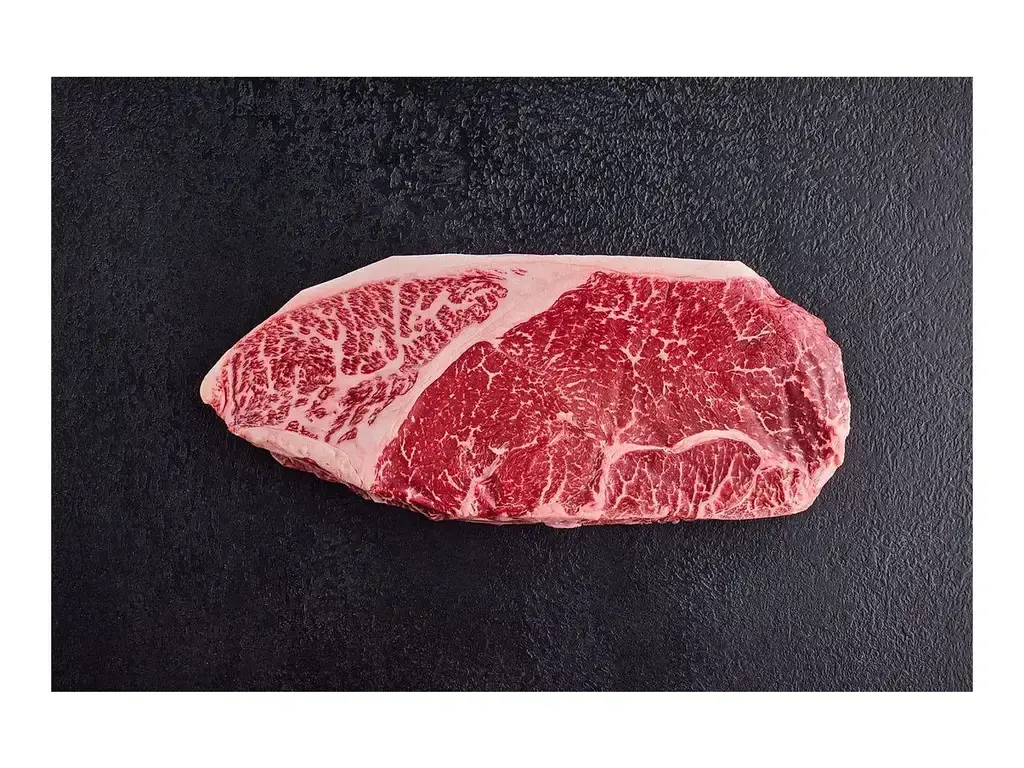
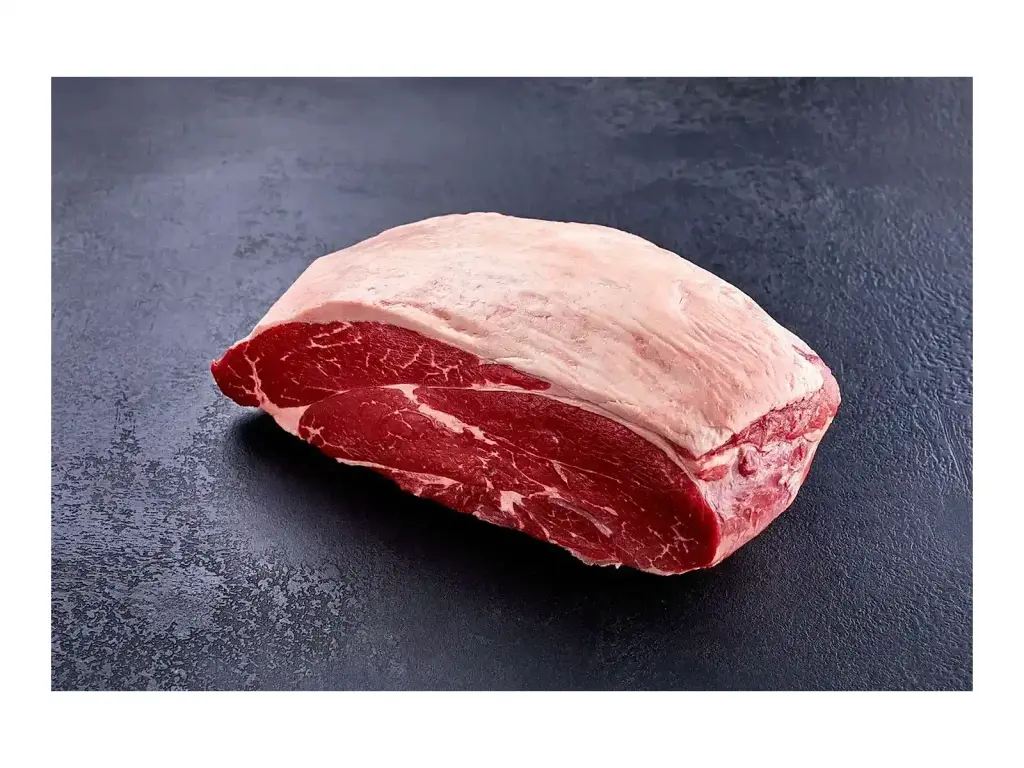
Japanese curry simmers for an hour or more, so choose a cut with connective tissue. A halal beef chuck is ideal, and a halal beef chuck roll is the boneless primal it comes from. A beef chuck eye is part of the same area and is more tender. You can buy beef chuck as tail flap, or beef chuck meat and beef chuck steak to dice yourself. The beef chuck steak price per kilo is low, and beef chuck rolls are the restaurant choice.
For comparison, beef shin vs chuck is a question of richness: shin gives a stickier sauce. If you need a substitute for beef chuck, use blade or brisket.
Beef for the grill and the splurge
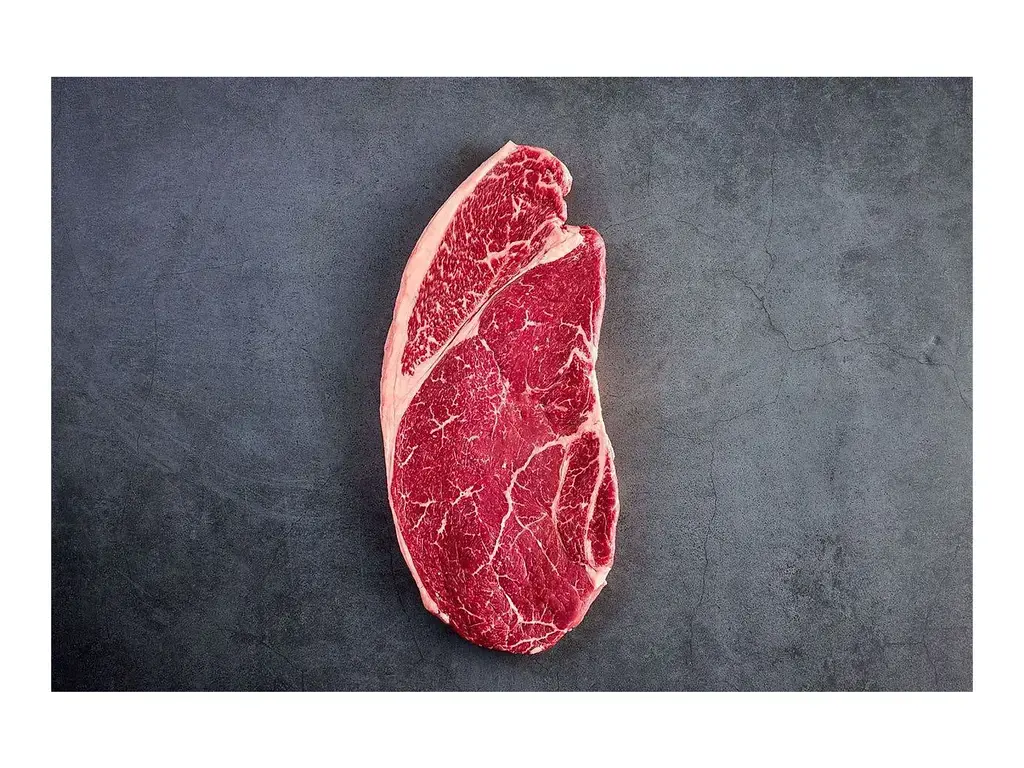
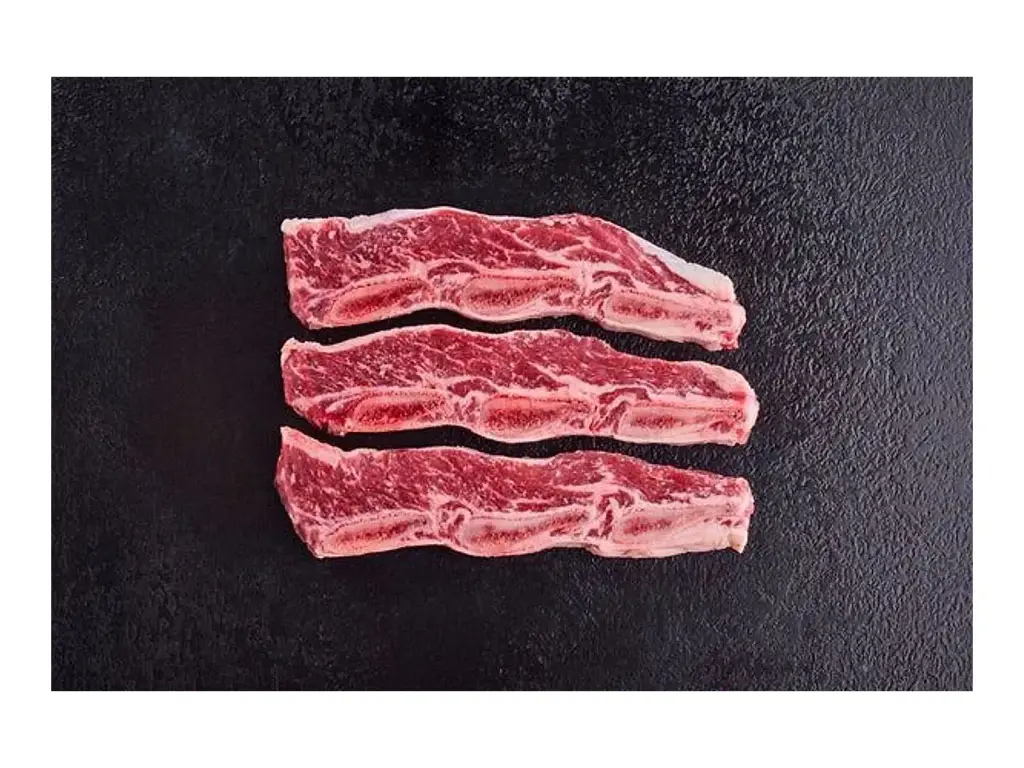
Japanese barbecue loves marbled beef. If you want a butcher Wagyu beef rump steak for the grill, or to buy from a Wagyu beef butcher, we deliver from Greenacre. A rump medallion is a neat, tender portion, and beef ribs cut asado-style suit yakiniku-style grilling. All are certified halal by Halal Control Australia; see the halal beef range.
Japanese curry questions
What is Japanese curry roux?
A block of flour, fat and curry spices that dissolves into the sauce and thickens it. Check that the brand you buy contains no alcohol and is suitable for halal diets.
Why add apple and honey?
They add sweetness and body, which is the signature of Japanese curry. Grate the apple into the sauce.
What do I serve with it?
Short-grain rice, pickled red cabbage (fukujinzuke) and a crisp salad. Crumbed beef cutlets on top make katsu curry.
Making Japanese curry ahead
Japanese curry is one of the best make-ahead dishes. Cook it a day in advance, cool it, and refrigerate it overnight. The flavours deepen and the sauce thickens. Reheat it gently, adding a splash of water if it has set. It freezes well, but add the potatoes fresh when reheating if you can, because frozen potatoes turn grainy. Serve it with rice and pickled vegetables. For a katsu version, crumb a thin beef cutlet or chicken breast, fry it until golden and lay it over the rice before pouring the curry on top. Store leftover curry in shallow containers so it cools quickly.
Choose waxy potatoes and carrots that hold their shape, cut them in even chunks, and add the roux off the heat so it dissolves without lumps. If you want more depth, brown the onions slowly until deep golden, and add a spoonful of grated apple and a little soy sauce. A pinch of garam masala at the end lifts the aroma, and the curry should taste mild, rounded and slightly sweet. Taste it before serving and adjust with a little extra soy sauce or sugar, then serve it piping hot over freshly cooked rice, with extra pickles on the side for crunch and contrast.
Buy halal beef for Japanese curry
Chuck, gravy beef, cheeks and Wagyu yakiniku are all in our halal beef range, certified halal by Halal Control Australia and delivered chilled from Greenacre, Sydney, to anywhere in Australia.