
Is beef tataki safe to eat? How searing works, who should avoid rare beef, the best eye fillet cuts for tataki, and our recipe with ponzu dressing.
Is beef tataki safe to eat? For most people, yes, when it is made from a whole piece of fresh beef seared well on every side. Tataki is a Japanese technique that makes a small piece of beef go a long way and look spectacular on the plate.
A whole piece of tender beef is seared hard on every side, chilled, then sliced paper-thin to reveal a ring of browned crust around a deep pink centre. Dressed with a sharp citrus soy sauce, spring onion and garlic chips, beef tataki is a stunning starter or light meal. It is easier than it looks, and this guide walks you through every step.
What is tataki?
In Japanese, tataki means "pounded" or "hit". The technique originally comes from Kochi, where bonito fish was seared over straw fires and then patted with seasonings. Today, tataki beef is common on Japanese restaurant menus worldwide. Because the beef is mostly rare, it is all about quality and freshness: buy a good cut, keep it cold, and handle it with clean equipment.
Best beef cuts for tataki
The best beef cuts for tataki are tender, uniform in shape, and lean enough to slice cleanly:
- Eye fillet: the classic. Very tender, with an even, round shape that slices beautifully.
- Sirloin porterhouse: a little firmer with more flavour.
- Rump: good value, flavourful; choose a thick, even piece.
- Wagyu eye fillet or Wagyu rump: for the most luxurious result.
Wagyu beef tataki
Wagyu beef tataki is a restaurant favourite because Wagyu's marbling melts slightly during searing and gives each slice a rich, buttery texture. With very high marble scores, slice even thinner and serve smaller portions, as it is very rich. Our Wagyu steak page explains marble scores and cuts.
Tataki beef recipe
Serves four as a starter.
- 400 g eye fillet or porterhouse, in one thick, even piece
- Salt, cracked black pepper and 1 tablespoon oil
- 2 spring onions, finely sliced
- 1 small piece of ginger, finely grated
- 2 cloves garlic, thinly sliced and fried until golden (garlic chips)
- Toasted sesame seeds, and a few shiso or micro herbs
Alcohol-free ponzu dressing
Traditional ponzu often includes mirin; this halal version leaves it out. Mix 3 tablespoons soy sauce, 2 tablespoons fresh lemon or yuzu juice, 1 tablespoon lime juice, 1 tablespoon rice vinegar and 2 teaspoons sugar until the sugar dissolves. Add a small strip of kombu if you have it and let it infuse for 30 minutes.
Method
Trim the beef of any sinew and pat it completely dry. Season it well with salt and pepper. Heat a heavy pan until smoking hot, add the oil and sear the beef for 45 to 60 seconds on each side, including the ends, until deeply browned all over. The aim is a crust about 2 to 3 mm deep with the centre still raw.
Immediately plunge the beef into a bowl of iced water for 1 minute to stop the cooking, then pat it dry. Wrap it tightly in cling film and refrigerate for at least 1 hour; chilling firms the beef so it slices cleanly. Using your sharpest knife, slice it as thinly as possible (2 to 3 mm). Fan the slices on a chilled plate, spoon over the ponzu, and scatter with spring onion, ginger, garlic chips and sesame seeds.
Food safety for seared beef
Searing kills bacteria on the surface of a whole, intact piece of beef, which is where any contamination would normally be. This is why whole-muscle steaks and tataki can be served rare, while minced meat must always be cooked through. Keep the beef refrigerated until you sear it, use a clean board and knife for slicing, and serve tataki within a few hours. Pregnant women, young children, the elderly and anyone with a weakened immune system may prefer to avoid rare meat.
Serving ideas
- As a starter with a simple cucumber and wakame salad.
- Over a bowl of sushi rice with pickled ginger.
- On a bed of daikon and carrot ribbons dressed with ponzu.
- With a dab of wasabi and a little grated daikon.
Planning a bigger meal?
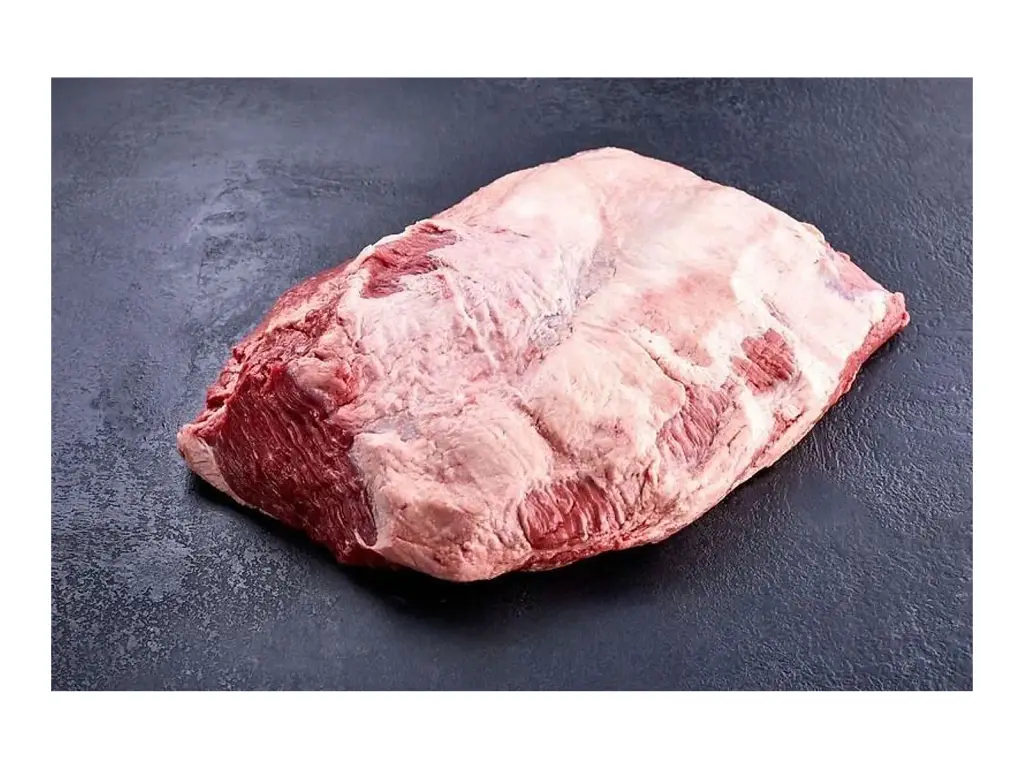
If you are cooking for a crowd and plan to smoke a brisket as well, a beef brisket purchase online is easy. Our whole beef brisket is ideal for low-and-slow cooking, while tataki makes a light, elegant starter to balance the meal.
Tataki beef questions
Is tataki raw beef?
The outside is cooked and the inside is rare. It is similar to a very rare roast beef rather than a raw dish such as carpaccio.
Can I make tataki ahead?
Yes. Sear and chill the beef up to 24 hours ahead. Slice and dress it just before serving.
What if I prefer it more cooked?
Sear for 2 minutes a side and rest before chilling. You will get a thicker cooked band and a pink centre, which is still delicious.
Slicing tips for paper-thin tataki
The thinner the slices, the more elegant and tender the tataki. Three things help. First, chill the seared beef thoroughly; a firm piece of meat slices far more cleanly than a warm one. Some cooks even place it in the freezer for 15 to 20 minutes before slicing. Second, use your longest, sharpest knife and slice in one smooth stroke rather than sawing back and forth. Third, slice across the grain, so each piece is tender and holds together.
Lay the slices slightly overlapping on a chilled plate, in a circle or a straight line, and dress them just before serving so the citrus does not start to "cook" the meat.
Other dressings for seared beef
If you want to try something other than ponzu, seared beef pairs well with many flavours. A sesame dressing of tahini or ground sesame, soy, rice vinegar and a little sugar is rich and nutty. A ginger and spring onion oil, made by pouring hot oil over finely chopped ginger, spring onion and salt, is fragrant and simple. For a Thai twist, try a lime, fish sauce and chilli dressing like the one in our Thai beef salad. Each turns the same seared beef into a completely different dish.
Whichever dressing you choose, add it at the very last moment and serve the plate straight away.
Why searing matters for safety
Bacteria on whole cuts of beef live mostly on the surface, not deep inside the muscle. Searing the outside of a whole eye fillet kills surface bacteria, which is why rare whole-muscle beef is widely eaten. Mince and diced beef are different: the surface has been mixed through, so they must always be cooked through. Food Standards Australia New Zealand advises pregnant women, young children, older people and anyone with a weakened immune system to avoid rare meat, so serve those guests a well-done portion. Keep the beef in the fridge until you sear it, sear it on a clean board, and slice it with a clean knife.
Choosing eye fillet for tataki
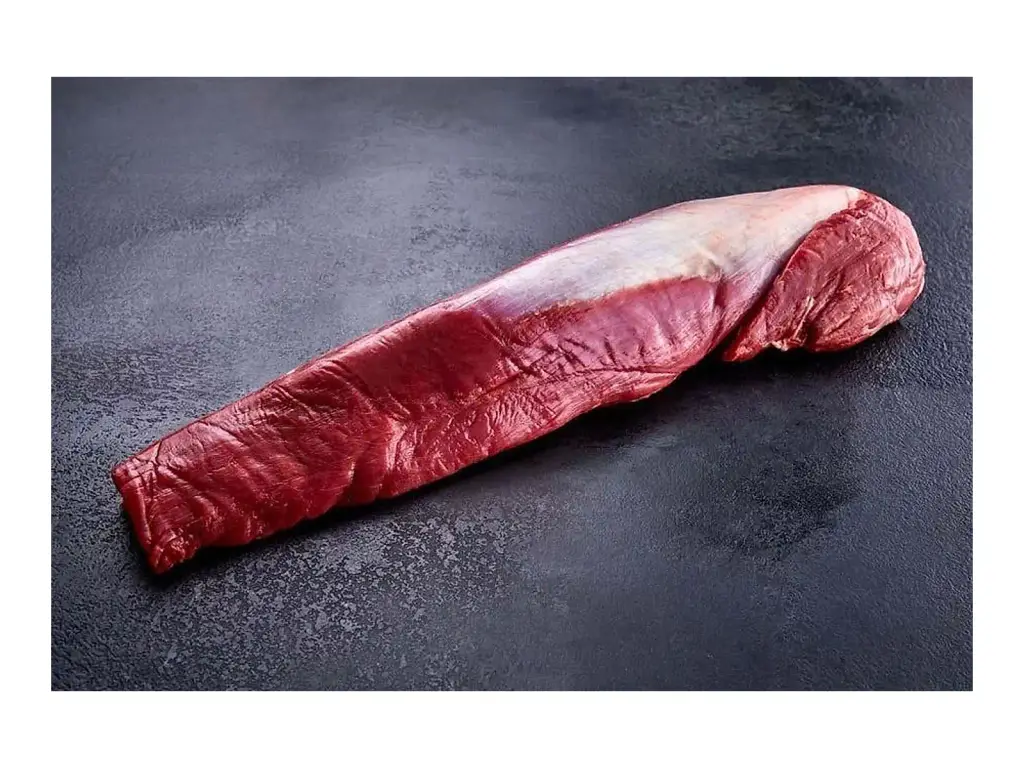
Eye fillet beef is the best cut for tataki: it is lean, very tender and an even shape, so it sears evenly. A whole eye fillet butt end gives you a thick piece that is easy to slice paper-thin. Beef eye fillet steaks also work if you sear them whole and slice them after resting. You will sometimes see it searched as eye fillet stake, a common misspelling.
To save money, buy whole eye fillet and trim it yourself, or buy beef fillet online already trimmed. An eye fillet butcher cut from Angus beef has a little more marbling. For a luxurious tataki, a Wagyu eye fillet melts in the mouth.
Some cooks prefer rib eye. On rib eye vs eye fillet for tataki, rib eye has more flavour but a seam of fat that is chewy when served rare. Rib fillet vs eye fillet is the same comparison. See our eye fillet vs rib eye guide for more.
More beef for a Japanese-style dinner
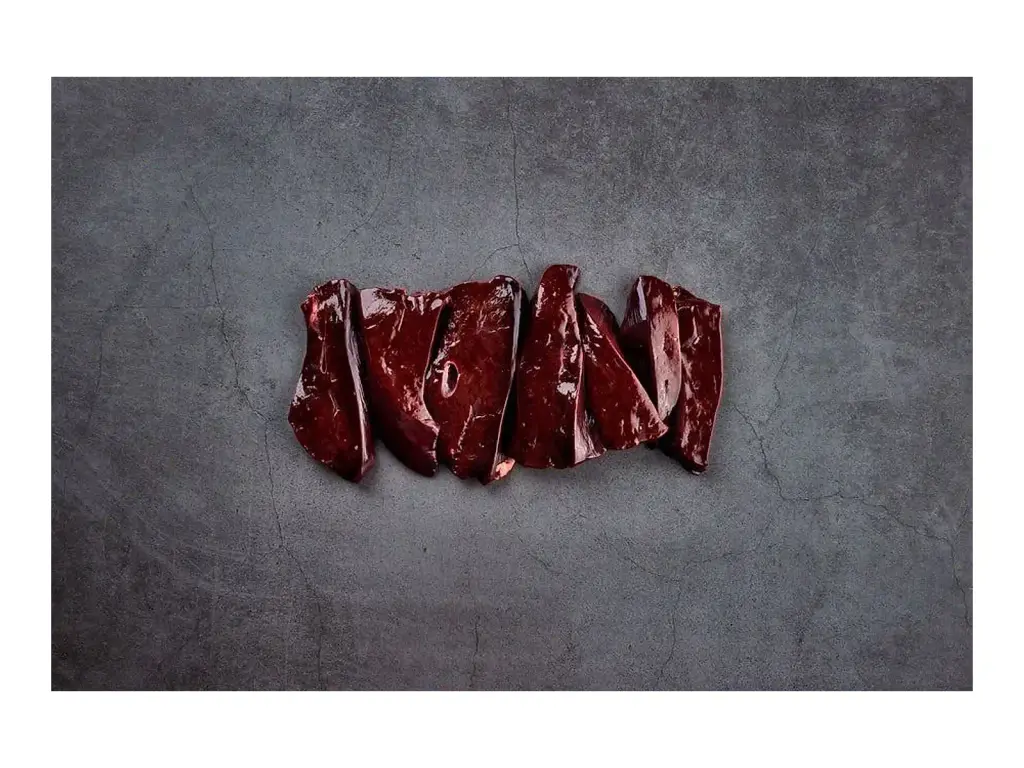
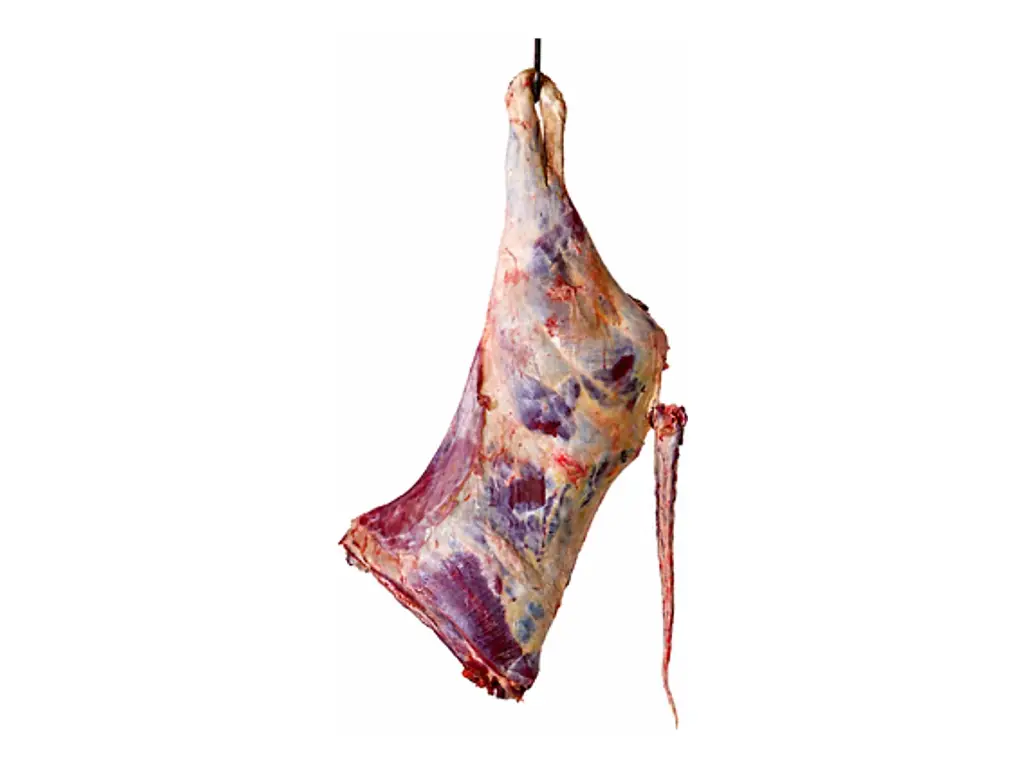
Plan a few dishes around the tataki. Thin slices of beef liver meat, quickly seared with ginger and soy, are a traditional izakaya dish. For a slow-cooked main, buy beef brisket and braise it in soy, mirin-free sweet soy and ginger. Families who cook a lot of beef sometimes buy a half of cow, which gives them fillet, steaks and roasts for months. Browse our halal beef range.
Tataki questions
How cold should the beef be after searing?
Plunge it into iced water for a minute to stop the cooking, then pat it dry and chill it for 30 minutes. Cold beef is easier to slice thinly.
What is ponzu?
A Japanese citrus and soy dressing. Use a store-bought one that contains no mirin or alcohol, or mix soy sauce with lemon and lime juice and a pinch of sugar at home.
How long does tataki keep?
Eat it within a day. Rare seared beef should be served soon after slicing and kept refrigerated. Do not keep leftovers for later meals.
Buy halal beef for tataki
Eye fillet, porterhouse, rump and Wagyu steaks are all in our halal beef range, certified halal by Halal Control Australia and delivered chilled from Greenacre, Sydney, to anywhere in Australia.