How to choose a halal meat supplier in Australia: what halal certification means, who issues it, and the checks to make before you buy halal meat.
Choosing a halal meat supplier starts with one question: who certifies the meat? Halal certification is how a meat supplier proves that its products meet Islamic dietary requirements — from how the animal is slaughtered to how the meat is stored, cut and transported. Knowing what halal certification means, and what it does not mean, is the simplest way to buy halal meat with confidence in Australia, whether you shop at a local halal butcher or order online.
This guide explains who certifies halal meat in Australia, what a certifier actually checks, what the EST number on a carton tells you, and the questions worth asking any supplier before you hand over your money.
Who certifies halal meat in Australia?
Australia does not have a single government halal authority for meat sold within the country. Instead, independent Islamic certification bodies audit abattoirs, processors and suppliers, and issue certificates to those that meet their published standards. For export, the Australian Government runs a separate program that approves Islamic organisations to certify red meat sent overseas, because importing countries require it.
That means the name on the certificate matters. Two suppliers can both say "halal" and be certified by different organisations with slightly different standards. Every product sold by Halal Meat Depot is certified by one certifier, Halal Control Australia — you can read the certificate on our halal certification page.
What does a halal certifier actually check?
Certification is more than a logo on a box. A certifier typically checks:
- That slaughter is carried out by a Muslim slaughterman, with the name of Allah invoked, according to the certifier's standard.
- That the animal species is permissible and healthy at the time of slaughter.
- That halal and non-halal products are kept fully separate through processing, storage and transport.
- That records allow each carton to be traced back to a certified source.
- That the certificate is renewed on time, with audits carried out during the certification period.
Standards differ between certifiers on some technical points, so if a particular requirement matters to you, ask the supplier which certifier they use and read that certifier's published standard. A reputable supplier will answer straight away.
EST halal: what the establishment number on your meat means
Meat processed in Australian export-registered plants carries an establishment number, usually printed as "EST" followed by digits on the carton or label. The EST number identifies the plant that processed the meat. Because people want to know whether a particular plant is halal-certified, "EST halal" has become a common search.
An EST halal check works like this: you note the EST number on the packaging, then compare it against a list of plants that hold halal certification. Community websites and apps — often called an EST halal checker — compile these lists to make the comparison quicker.
The limits of an EST halal checker
EST lists are useful, but they are compiled by third parties and can fall out of date when certifications change. An EST number also only tells you where the meat was processed, not how it was handled after it left the plant — whether it was kept separate from non-halal meat in storage, cutting and delivery. Treat an EST halal check as a first step, not the final word, and back it up with the supplier's current certificate.
Five checks before you buy halal meat
- Ask which organisation certifies the meat — a genuine supplier will name it immediately.
- Ask for a copy of the current certificate and check the business name, address and expiry date.
- Check the certifier is a recognised Islamic organisation with a public website and contact details.
- Look for the certifier's mark on cartons and labels when you receive bulk orders, and note the EST number if you want to cross-check it.
- Be cautious of vague claims like "halal style" or "halal friendly" with no certifier named.
Halal meat near me or halal meat delivery?
Most people start with a search like "halal meat near me" or "halal butcher near me", then visit whichever shop is closest. That works when the local shop is certified, stocks the cuts you need and is open when you are free. For bulk buying, less common meats or a busy schedule, delivery is often easier.
If you are searching for halal meat close to me because you need a specific cut, a whole lamb for an event or camel, duck or buffalo that local shops rarely stock, a supplier that delivers can be more practical than driving between shops. The same checks apply either way: name the certifier, see the certificate, confirm the business details match.
What to ask a halal butcher before you order
- Who certifies your meat, and can I see the certificate?
- Is everything you sell certified, or only some products?
- How do you keep halal meat separate during cutting, storage and delivery?
- Can you cut to my instructions — curry pieces, roasts or a mix — for whole carcasses?
Why certification matters even more for bulk buying
Restaurants, caterers and community groups buying wholesale cartons are responsible for what they serve. Keeping a copy of your supplier's certificate on file is good practice, and it makes it easy to answer customers who ask. Many kitchens also note the certifier on their menu or website.
Households buying a whole lamb or whole goat for an Aqeeqah or family celebration often want the same assurance, so ask any supplier who certifies their meat before you order. Our guide to whole lamb and goat for Aqeeqah and Qurbani explains how those orders work.
Halal meat at Halal Meat Depot
We keep things simple: one certifier, Halal Control Australia, across our entire range of halal meat — halal beef, lamb, goat, halal chicken, camel, duck, kangaroo and water buffalo. Our certificate number and expiry date are published on our website, and we deliver Australia-wide from Greenacre, Sydney.
How to check halal food before you buy
You can check halal food in a few minutes. Ask the supplier which organisation certifies it, find that certifier's public list of certified businesses, and compare the business name, address and expiry date on the certificate. Halal butchers who are confident in their certification will show it without being asked. Ours is published in full on our certification page, with the certificate number and expiry date.
If you are searching for a halal butcher near me or halal meat near me, the same checks apply to the shop around the corner and to an online supplier. A local shop is convenient, but a certificate you can read matters more than distance.
Halal and kosher meat: similar, but not the same
Customers sometimes ask whether kosher meat is the same as halal. Both traditions have rules about which animals may be eaten and how they are slaughtered and prepared, and both are supervised by religious authorities. They are still separate systems with different requirements, so a kosher certificate is not a halal certificate. Muslim scholars differ on whether kosher meat is permissible, so if it matters to you, ask a scholar you trust. If you need halal, look for a named halal certifier.
What a good halal meat supplier stocks
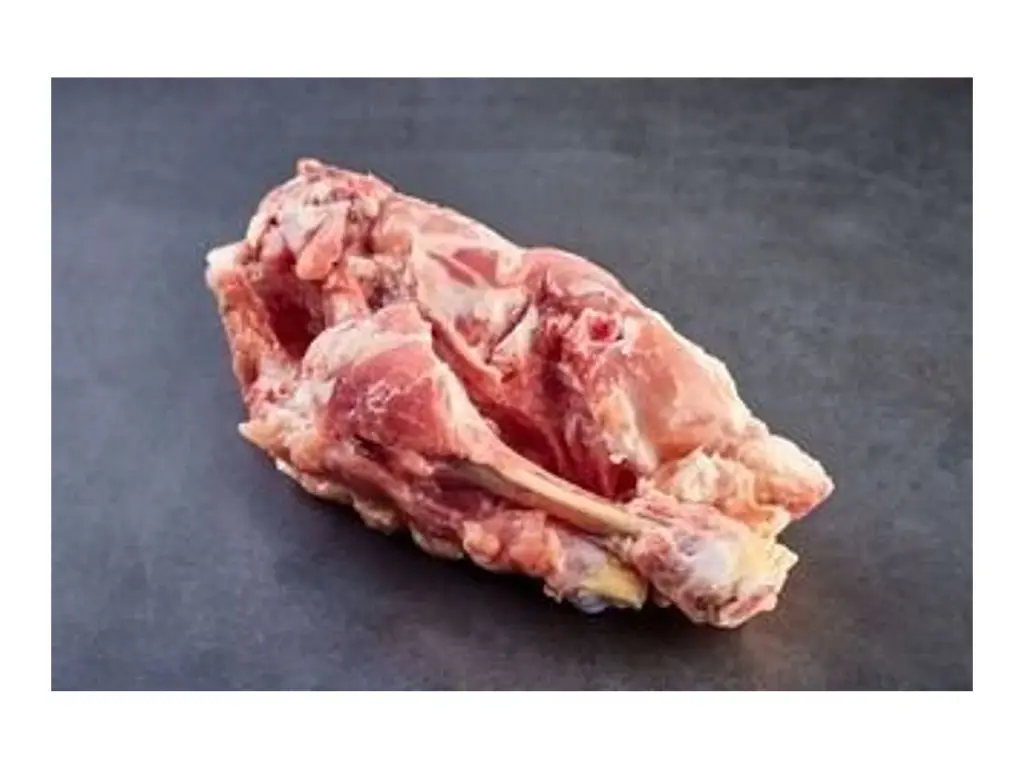
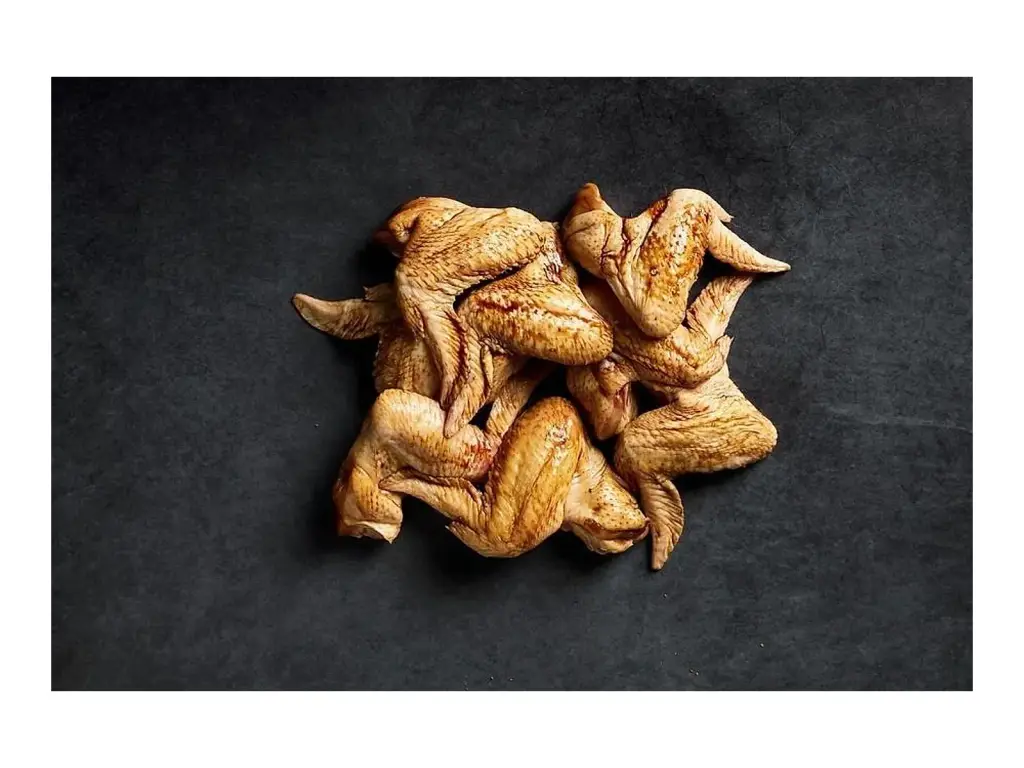
A good supplier certifies everything it sells, not just its premium cuts. Everyday lines like halal sausages, mince and diced meat should carry the same certificate as a Wagyu steak. So should stock bones like chicken frames and value packs such as marinated wings sold as certified halal chicken.
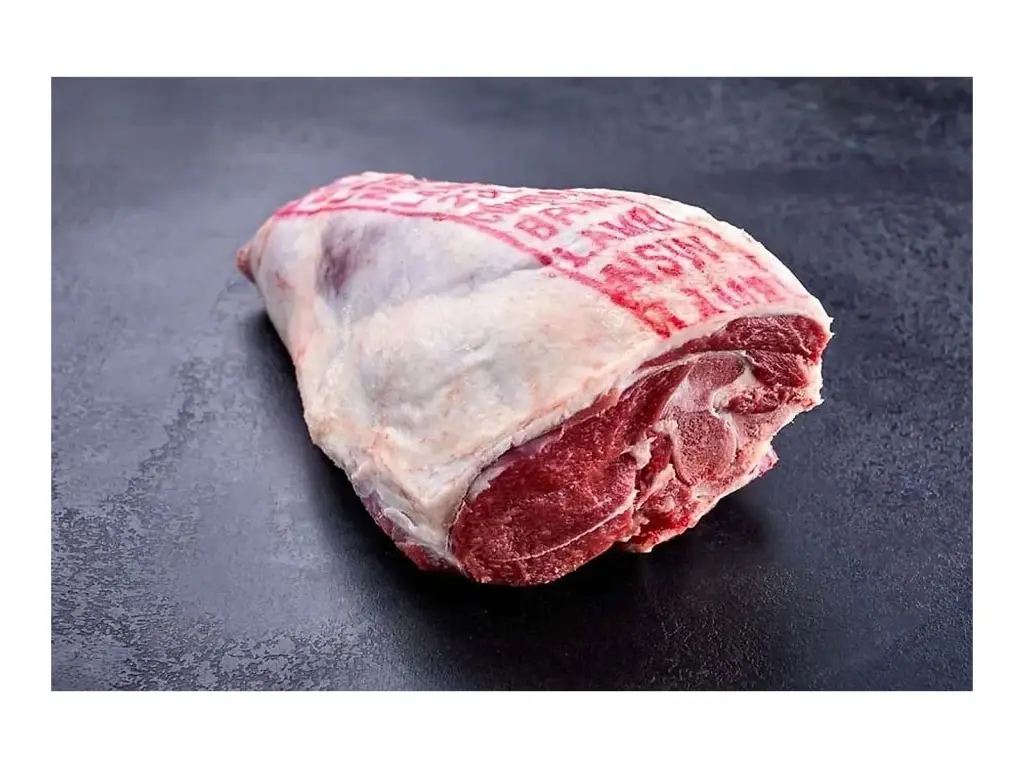
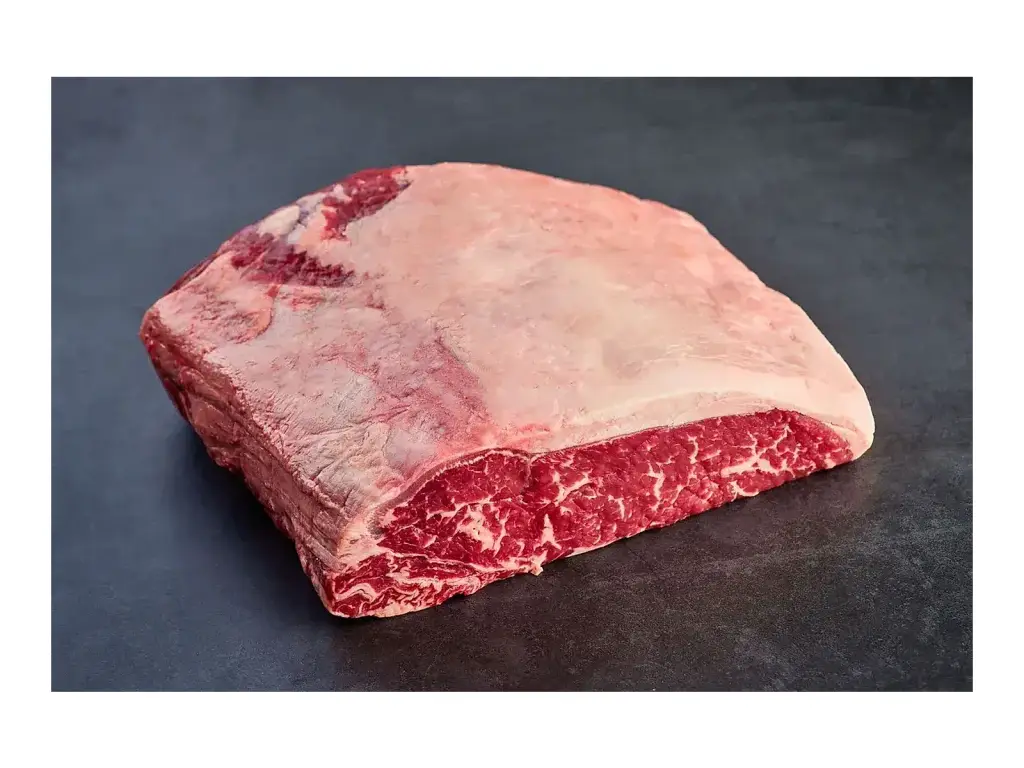
It should also be clear about price. You should be able to see the leg of lamb price per pack and per kilo before you order, and to buy beef roasts online without ringing for a quote. Our full ranges are easy to browse: halal beef, lambs for sale and halal chicken, all certified by Halal Control Australia.
Questions to ask a new halal meat supplier
- Which organisation certifies your meat, and can I see the current certificate?
- Does the certificate cover every product you sell, including sausages, mince and marinated lines?
- How do you keep halal and non-halal products apart, if you handle both?
- How is the meat packed and delivered, chilled or frozen, and how long is it in transit?
- Can you cut to order, and do you supply restaurants as well as families?
The answers tell you a lot. A halal butcher that handles only halal meat has a simpler job keeping products separate than a general butcher with a halal section. A supplier that cuts to order can give you exactly the pieces your recipe needs. And a supplier that publishes its prices and certificate saves you a phone call before every order. We built Halal Meat Depot around those three things, because they were what our own families wanted from halal meat bought online.
Halal certification questions
Does halal certification expire?
Yes. Certificates are issued for a fixed period, commonly one year, and the certifier audits the business during that time. That is why you should always check the expiry date, not just the logo. Ours is published with its number and expiry date, and we update it each time it is renewed.
Is halal meat more expensive?
Not necessarily. The price depends on the cut, the grade and how it is supplied, not on the halal certificate. Buying by the carton or the primal usually lowers the price per kilo whatever the certification. Compare the price per kilo rather than the pack price, because pack sizes differ.
Can I trust a halal label on supermarket meat?
A label is a starting point. Look for the certifier's name and number, and if you are unsure, check the certifier's own website for the list of certified businesses. If the label names no certifier, treat it with caution and ask the retailer before you buy.
Halal certification and food safety are separate
Halal certification is about religious requirements; food safety is regulated separately. In New South Wales, meat businesses are licensed and audited by the NSW Food Authority, and national food standards are set by Food Standards Australia New Zealand. A trustworthy supplier will hold both — a current halal certificate and the food safety licences required for its business — and will be open about each.
If you have a question about any product, contact us or message us on WhatsApp before you order — we are happy to send the certificate details for your records.
Further reading: our halal certification page, with the certificate from Halal Control Australia; the NSW Food Authority on licensing meat businesses; and the Australian Government's halal red meat export program.