
The difference between goat meat and mutton explained: animal, taste, texture, cooking methods, price and where to buy halal goat and mutton online.
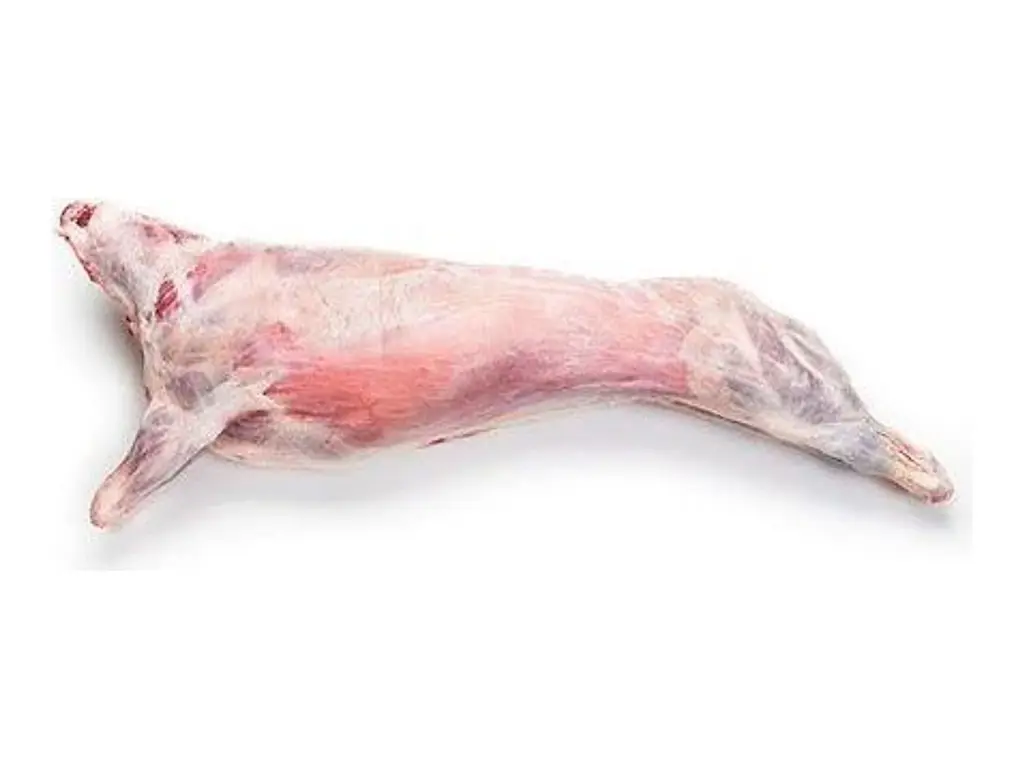
The difference between goat meat and mutton is one of the most common sources of confusion in the kitchen, especially because the word mutton means different things in different countries. In Australia, mutton is meat from an older sheep. In parts of South Asia, mutton on a menu usually means goat. This guide clears up the confusion, compares taste, texture and cooking, and helps you choose the right meat for your recipe.
What is the difference?
Goat meat comes from goats; mutton, in the Western sense, comes from mature sheep, generally over a year or two old. Lamb is meat from young sheep. Goat is leaner than mutton, with a sweeter, more mineral taste and less fat. Mutton has more fat, a stronger, more pronounced sheepy flavour and a firmer texture.
Both need slow cooking to become tender, and both are loved in curries, stews and roasts. In South Asia and the Caribbean, mutton is often a name for goat, which is why recipes can seem contradictory. If a recipe says mutton, check the context. Our guide to goat meat vs lamb meat covers lamb in more detail.
Taste and texture compared
Goat has a distinctive, slightly sweet and earthy flavour, with lean meat that can be dry if overcooked. Mutton has a stronger flavour and more fat, which melts during slow cooking and enriches the dish. Lamb, by comparison, is mild and tender. Lamb vs goat meat is a choice between mild and bold.
Some people use the phrases goat meat vs lamb, lamb goat meat and goat meat lamb for the same comparison, and lamb vs goat meat searches lead to our goat range. A goat meat lamb comparison is easy to try with a pack of each. Compare goat meat vs lamb and lamb goat meat legs side by side: goat is leaner and darker.
Where to buy goat and mutton
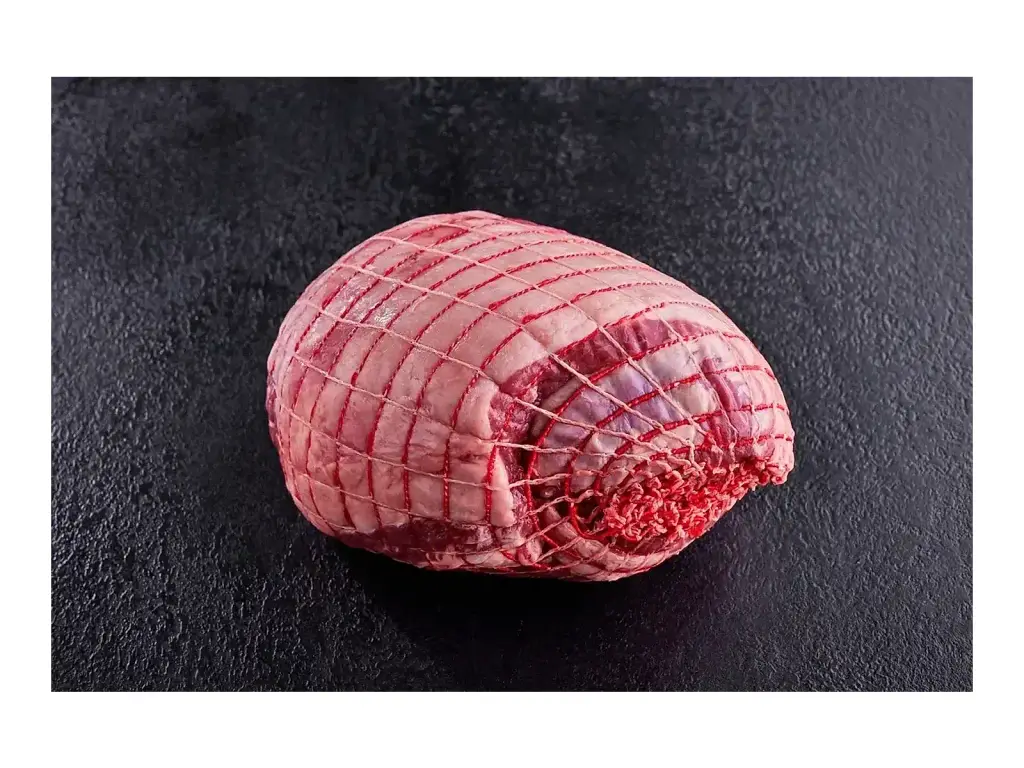
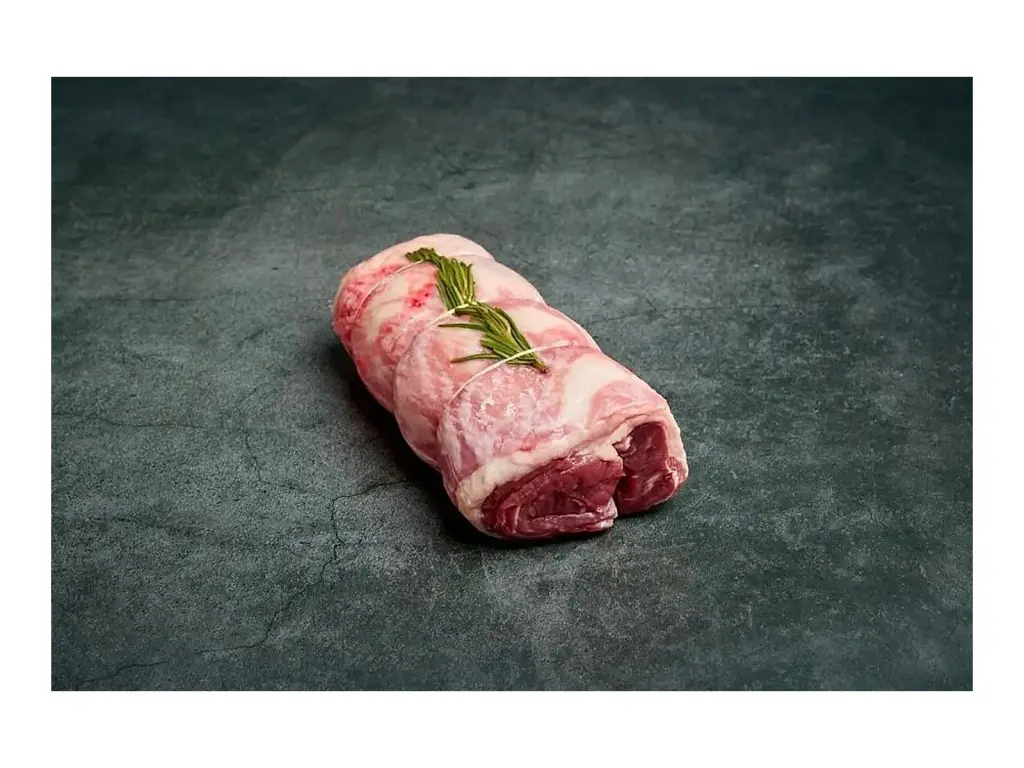
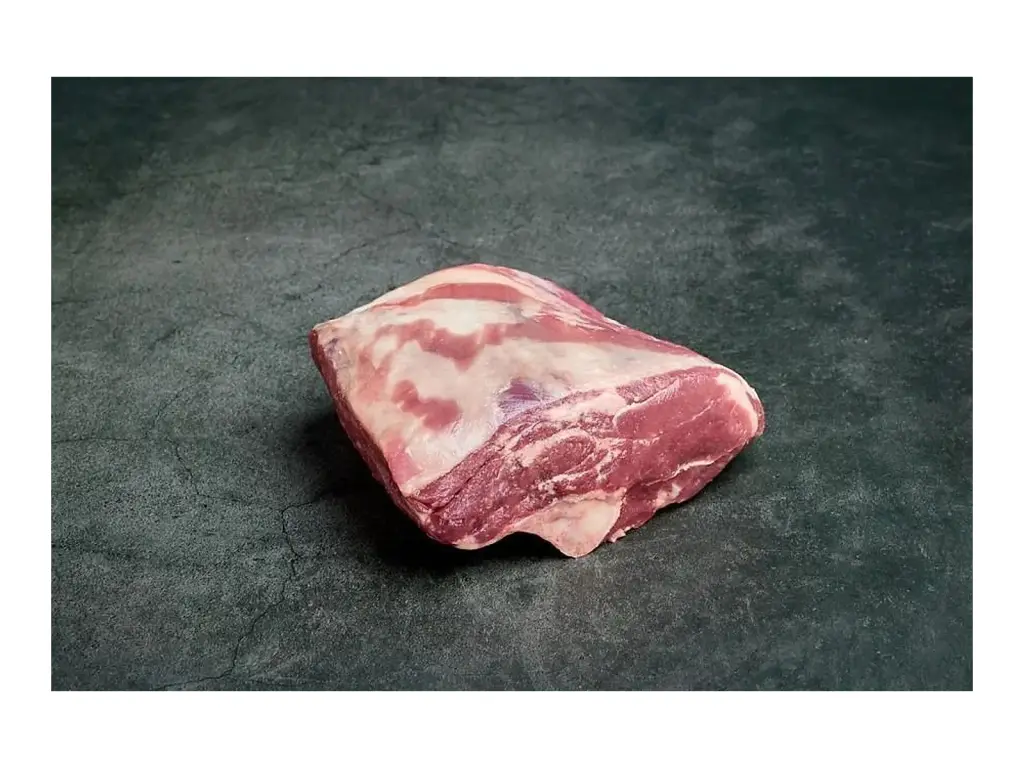
Our mutton meat is sold as a whole carcass, cut to your instructions. For goat, you can search for goats meat: goats meat in a rolled loin, meat goat for sale: meat goat for sale in rump, and goat meat mutton: goat meat mutton in half carcasses. People ask where to buy goat meat near me, where can i buy goat meat near me and buy goat meat near me.
Our answers: where to buy goat meat near me, where can i buy goat meat near me and buy goat meat near me. If you want fresh goat meat near me, order a boned and rolled shoulder, and visit the goat meat near me page for the full range. And for lamb, browse lambs for sale.
Cooking each meat
- Goat: marinate in yoghurt or lemon, cook low and slow with plenty of moisture; curries, stews and roasts.
- Mutton: slow roast or braise for 3 to 4 hours; stews, curries, pies and smoked shoulder.
- Lamb: roast, grill or braise; quicker, milder and more tender.
A smoked mutton shoulder is a barbecue favourite: smoke at 120°C for 6 to 8 hours until the meat pulls apart. Goat can be smoked the same way. Both benefit from a bold rub and a long, slow cook.
Goat and mutton questions
Is mutton the same as goat?
Not in Australia, where mutton is older sheep. In South Asia it often means goat.
Which is leaner?
Goat is leaner than mutton. Lamb is somewhere in between.
Can I swap one for the other?
Yes, with adjustments to cooking time. Goat needs a little more moisture; mutton needs a little more time.
Choosing between goat, mutton and lamb
Choose goat for curries and spiced dishes where its bold flavour shines, and for health-conscious cooking, as it is leaner. Choose mutton for slow roasts, smoked shoulders and rich stews, where the fat adds flavour. Choose lamb for quick dinners, roasts and dishes where a mild flavour is wanted. There is no best meat: each has strengths, and many cooks keep all three in the freezer.
Price also matters. Goat and mutton are often cheaper than lamb for the same weight of bone-in meat, and a whole carcass is especially good value. If you cook for a large family or community, buying half or a whole goat or mutton carcass saves money and gives a range of cuts. We cut carcasses to your instructions, whether for curry pieces, roasts, chops or a mix.
Cuts from each animal are similar. The leg, shoulder, ribs, shanks, neck and loin all appear, though the sizes differ. Goat legs are smaller than mutton legs, and mutton shoulder is heavier. Bone-in pieces are best for curry, as the bone adds flavour to the sauce. For a roast, choose a leg or shoulder, and for a quick fry, choose chops or boneless pieces.
Whichever you choose, tenderise with time and moisture. Marinades with yoghurt, lemon or vinegar help. Cook covered, at a low temperature, until the meat pulls away from the bone. Check the liquid level and top up with stock or water. Season generously, and finish with fresh herbs. These principles apply to all three meats.
Many cultures have proud traditions around goat and mutton. In the Middle East, mansaf and mandi are made with lamb or goat. In India and Pakistan, mutton or goat karahi and biryani are festive dishes. In the Caribbean, curry goat is a staple. In Australia, a mutton roast was once the Sunday dinner. Exploring these dishes is a way to connect with food history.
All our meat is certified halal by Halal Control Australia, and delivered chilled across Sydney and Australia-wide. Order several days ahead for events, tell us how you want the meat cut, and we will help. Store raw meat on the bottom shelf of the fridge, cook within two days or freeze, and wash your hands and boards after handling.
Recipes and tips for goat and mutton
Goat curry is the classic way to enjoy goat. Marinate bone-in pieces in yoghurt, ginger, garlic and spices for several hours, brown with onions, add tomatoes and water, and simmer until tender, about 2 hours, or 40 minutes in a pressure cooker. Serve with rice or flatbread. The same method works for mutton, though mutton may need an extra 30 to 45 minutes. Finish with fresh coriander and a squeeze of lemon.
A slow-roasted mutton or goat leg is a feast. Rub with garlic, rosemary, lemon and oil, add a cup of stock to the tin, cover tightly with foil, and roast at 150°C for 4 to 5 hours. Remove the foil for the last 30 minutes to brown. The meat should pull apart with a fork. Serve with roast vegetables, flatbreads and yoghurt sauce. Leftovers make excellent wraps and pies.
Smoked mutton shoulder is popular at barbecues. Rub with salt, pepper, cumin, paprika and a little brown sugar, and smoke at 120°C for 6 to 8 hours until the internal temperature reaches 93 to 95°C. Wrap in paper for the last 2 hours if the bark darkens too much. Rest, pull the meat and serve in rolls with pickles and a tangy sauce. Goat shoulder can be smoked in the same way.
Pressure cookers and slow cookers are friends of goat and mutton. A pressure cooker cuts the cooking time to about 45 minutes for goat curry pieces. A slow cooker gives tender results on low in 8 hours. Both keep the meat moist. Brown the meat first for flavour, and add enough liquid, though not too much, as the meat releases juices. Check for tenderness, and cook longer if needed.
Fat management matters with mutton. Trim thick external fat, but leave a layer to baste the meat. Skim the fat from the sauce or chill the dish and remove the solid fat. Acid, such as lemon, vinegar or tomato, balances the richness. Fresh herbs lift the finished dish. These small steps make mutton lighter and fresher.
Storage: keep raw goat or mutton in the coldest part of the fridge and use within two days, or freeze on arrival. Thaw in the fridge. Cooked dishes keep for four days and freeze for three months. Reheat until steaming hot. Wash your hands and boards after handling raw meat. Order from us in whole or half carcasses for events, and tell us how you want them cut.
A quick guide to remember
Remember three things: goat is lean and sweet, mutton is richer and stronger, and lamb is mild and tender. Check recipes carefully, especially from South Asia, where mutton may mean goat. Cook all three slowly with moisture, season well, and rest before serving. And buy from a supplier whose halal certificate you trust. Ask us if you want advice on which meat suits your dish, how much to order, or how to have a carcass cut for an event.
Flavour pairings for goat and mutton
Both meats love warm spices (cumin, coriander, cinnamon, cardamom, cloves), aromatic herbs (rosemary, thyme, mint, bay), alliums (garlic, onion, shallots) and acids (lemon, tomato, yoghurt, vinegar). Sweet accompaniments, such as dried apricots, dates, sultanas or caramelised onions, balance the strong flavour of mutton. Starchy sides, such as rice, couscous, flatbread or potatoes, soak up the sauce and complete the meal. A cooling yoghurt sauce or fresh salad refreshes the palate.