
A diced beef recipe for easy stews, curries and pies: the best chuck cuts, a crockpot method, pulled beef chuck roast and where to buy diced beef online.
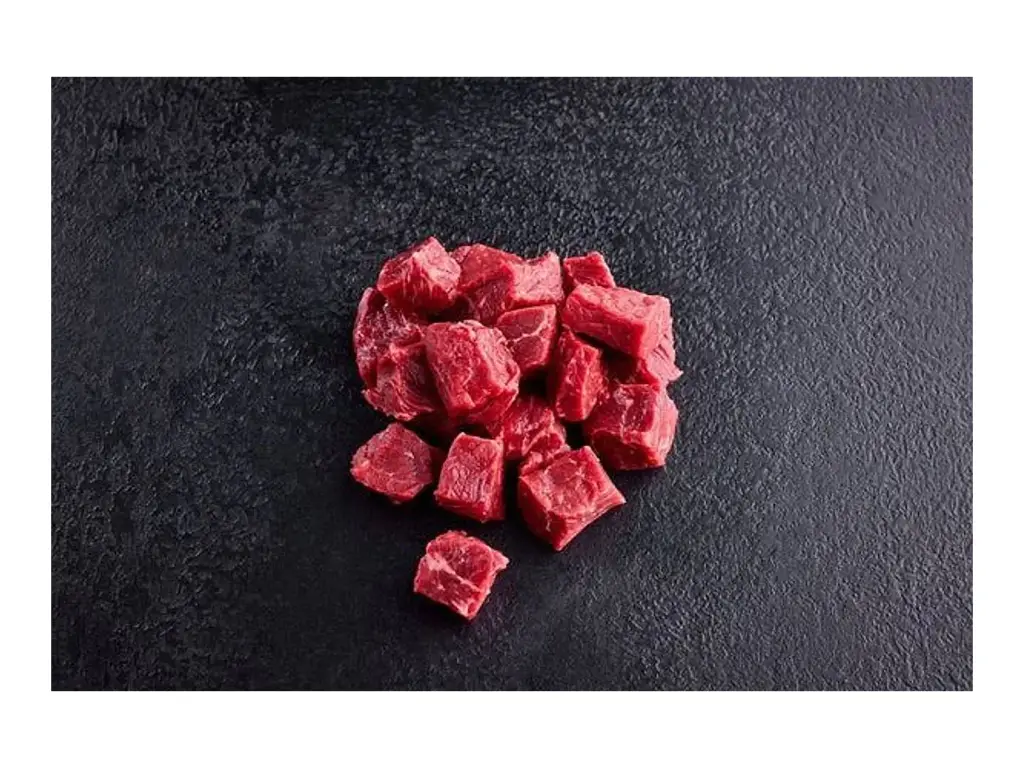
This diced beef recipe is a master method for the most useful cut in the kitchen. Diced beef, cut into cubes from chuck or shin, becomes tender in a stew, rich in a curry and silky in a pie, and it is cheap, filling and freezer-friendly. Learn one method and you can make dozens of dinners. This guide gives you the base recipe, three variations and the buying tips you need.
Choosing and buying diced beef
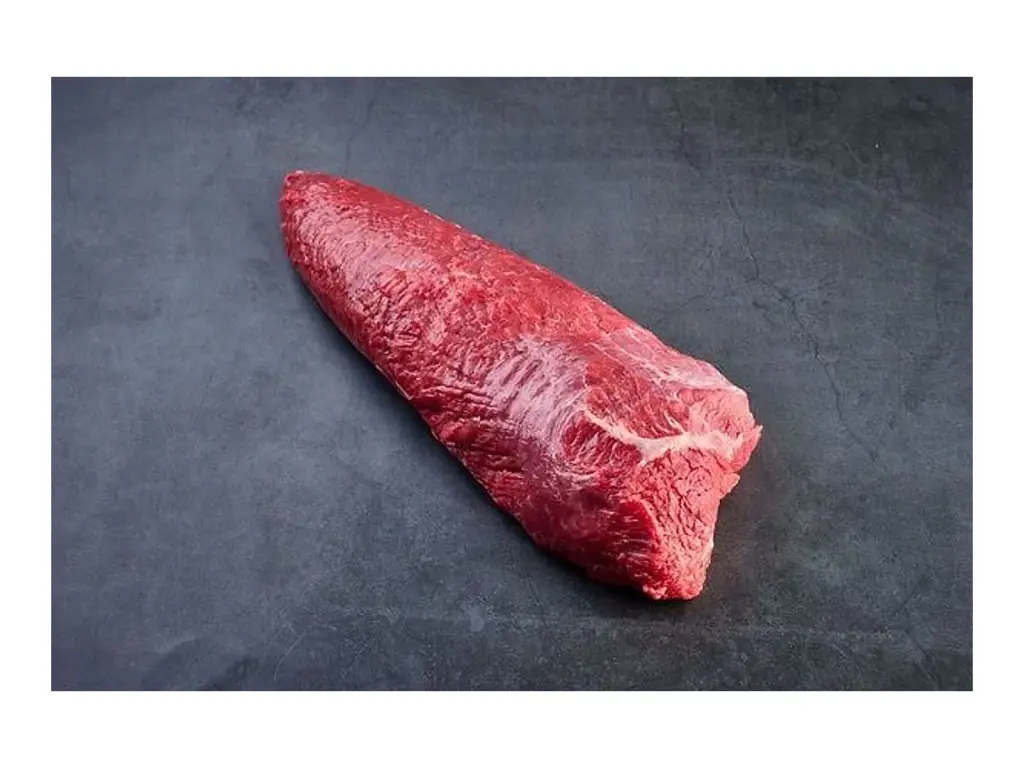
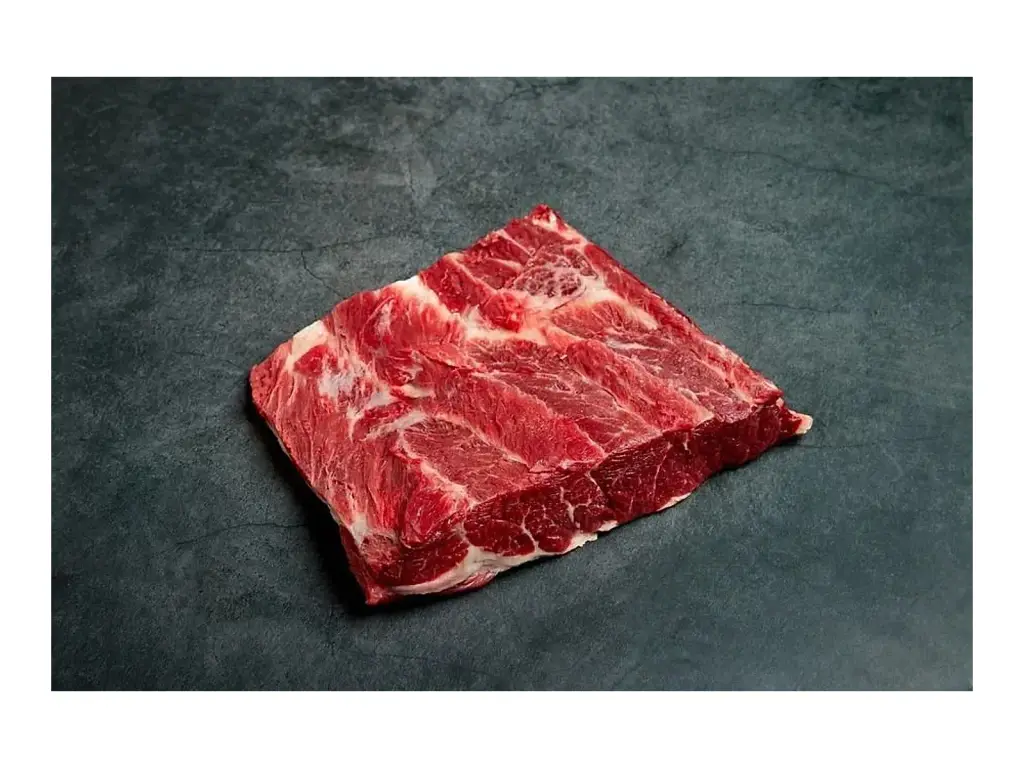
For slow-cooked dishes, choose diced chuck or shin, which have the connective tissue to turn tender. You can buy diced beef online already cut into even cubes, which saves time and ensures consistent cooking. Restaurants and caterers buy wholesale beef in 20kg cartons, ready for the pot. If you prefer to cut your own, buy a chuck piece: beef chuck tail flap, or beef chuck rolls for large quantities.
Compare the chuck steak price, the beef chuck steak price, the beef chuck price, the beef chuck roast price and the beef chuck cost on the product pages: chuck is one of the cheapest cuts per kilo. The beef chuck flap is well marbled and tender. If you cannot find chuck, a substitute for beef chuck such as gravy beef or blade works in any of these recipes.
The master method
- Pat 1kg of diced beef dry and toss with seasoned flour.
- Brown in batches in hot oil until deeply golden. Do not crowd the pan.
- Soften an onion, carrot and celery in the same pot. Add garlic and a spoonful of tomato paste.
- Return the beef, add 3 cups of stock, bay leaves and thyme, and bring to a gentle simmer.
- Cover and cook for 2.5 hours on the stove or in a 150°C oven, until fork-tender.
- Season, thicken if needed and serve.

Variation 1: crockpot beef chuck
Crockpot beef chuck is the easiest of all. Brown the beef and onions, place in the crockpot with the stock and vegetables, and cook on low for 8 hours. The meat should be falling apart. The best way to cook beef chuck in a slow cooker is to keep the lid on, and use just enough liquid to come two-thirds up the meat. Our massaman curry guide shows the idea in a Thai-style sauce.
Variation 2: pulled beef chuck roast
Pulled beef chuck roast uses a whole piece rather than cubes. Rub with spices, brown, then slow cook with tomato and stock for 8 to 9 hours. Shred with two forks and stir through the juices. Serve in rolls, tacos or over rice. Diced beef can be cooked the same way if you cut the pieces large, and shredded after cooking.
Variation 3: beef pie filling
Cook the master recipe with less liquid so the gravy is thick, cool it completely, and spoon into a pastry case. Cover with puff pastry, brush with egg and bake at 200°C for 30 minutes. Diced beef makes the best pie filling, because the chunks stay intact and the gravy is rich.
Diced beef questions
How big should the cubes be?
About 3 to 4cm. Smaller pieces cook faster but can dry out. Larger pieces stay juicier.
Can I cook diced beef quickly?
Not tender cuts like chuck. A pressure cooker takes 40 to 45 minutes. For fast stir-fries, use sirloin or rump strips instead.
Can I freeze it raw?
Yes, in flat bags for up to three months. Thaw in the fridge overnight.
More diced beef dinners and planning
Diced beef is the base of a week of meals. A single large batch of stew can become a pie on Monday, a curry on Tuesday and a pasta sauce on Wednesday, by changing the seasoning and the sides. Use a spice mix for curry, a splash of vinegar for a European stew, or soy sauce and star anise for a Chinese-style braise. The same pot, the same meat and a few pantry staples give you endless variety.
For a Hungarian-style goulash, add paprika, caraway, capsicum and tomato. For a Moroccan tagine, add cinnamon, cumin, apricots and chickpeas. For a Thai massaman, add coconut milk, potato and peanuts. For a classic French-style daube without wine, use stock, balsamic vinegar, orange zest and herbs. Each uses the same diced beef and the same long, gentle cooking time.
Shop smart: buy the biggest pack you can store, divide it into meal-sized portions, and freeze flat. Label bags with the weight and date. A 500g bag feeds two, a 1kg bag feeds four to six. Thaw overnight in the fridge. If you cook for a large family, a carton of diced beef saves money and time, and it is a staple for events and gatherings.
Check for doneness by tasting. The beef should be soft enough to cut with a spoon. If it is still firm, keep cooking. Check the liquid level every hour or so, and top up with hot stock if the pot looks dry. A splash of vinegar or lemon at the end brightens the flavour, and fresh herbs add colour. Taste and adjust the salt just before serving.
Sides matter. Serve diced beef dishes with mashed potato, rice, couscous, noodles or crusty bread. Add a fresh salad, steamed greens or pickles to balance the richness. For a curry, serve with raita and flatbread. For a pie, serve with peas and mash. For a stew, serve with dumplings. A good side makes a simple meal feel complete.
All our beef is certified halal by Halal Control Australia and delivered chilled across Sydney and Australia-wide. Browse the full halal beef range, and use the notes at checkout to ask for particular cuts or sizes. Cool leftovers within an hour, refrigerate for up to four days, and reheat until steaming hot. Raw beef should be stored on the bottom shelf of the fridge, away from other foods.
Pantry, seasoning and technique notes for diced beef
Seasoning is what separates a bland stew from a brilliant one. Salt the beef lightly before browning, and add more salt as the sauce develops, tasting often. Use black pepper, bay leaves, thyme, rosemary and paprika in European-style dishes. Use cumin, coriander, turmeric, garam masala and chilli in curries. Use soy sauce, ginger, garlic and star anise in Asian-style braises. The right spice mix changes the meat into a completely different dish, and a well-stocked spice shelf is the cook's best investment.
Thickening a sauce is easy. Toss the beef in flour before browning, and the sauce will thicken naturally as it cooks. If it is still thin at the end, simmer uncovered to reduce, or stir in a cornflour slurry. For a silky, restaurant-style gravy, mash a few pieces of cooked potato or carrot into the sauce, or blend a ladle of the vegetables and stir it back in. Skim any fat from the surface before serving for a cleaner finish.
Browning is the single most important step. The brown crust on the beef, called the Maillard reaction, creates hundreds of flavour compounds. Dry the meat well, use a heavy pan, heat it until the oil shimmers, and add the beef in small batches. Leave each piece untouched for 2 minutes before turning. When the meat releases easily from the pan, it is ready to turn. If it sticks, wait a little longer.
Pressure cookers and slow cookers both suit diced beef. A pressure cooker cooks chuck cubes in 40 to 45 minutes at high pressure, with a natural release. A slow cooker needs 8 hours on low. An oven braise needs 2.5 to 3 hours at 150°C. All give tender meat, so choose the method that fits your day. Adjust the liquid: a pressure cooker needs less than a pot, because there is no evaporation.
Always rest the finished stew. After cooking, take the pot off the heat and leave it for ten minutes before serving. The sauce settles, the flavours blend, and the meat reabsorbs juices. Stews and curries are better the next day, so make extra whenever you can. Reheat gently, adding a splash of stock if needed, and taste for seasoning again after reheating, as flavours change as they cool.
Diced beef for families and events
Diced beef is ideal for feeding groups on a budget. A kilo serves four people as a stew, and six when stretched with vegetables, potatoes and lentils. For community events, school fundraisers or large family gatherings, scale the recipe up in a large pot and keep it warm in a slow cooker. Serve with rice, bread or mash, and the meal feels generous and homely. We supply cartons for caterers and bulk packs for families, delivered chilled across Sydney and Australia-wide.
Cook the dish a day ahead for events. The flavour improves overnight, and you only have to reheat. Cool it quickly, refrigerate, and warm gently with a splash of stock. Provide serving spoons and warm bowls, and keep the pot hot at around 60°C or above. Label any allergens, and offer a vegetarian option alongside. Simple, hearty beef dishes always disappear first.