
Beef tri tip steak explained: what tri-tip is, the best rub, reverse-sear and grill methods, how it compares with sirloin and flank, and where to buy.
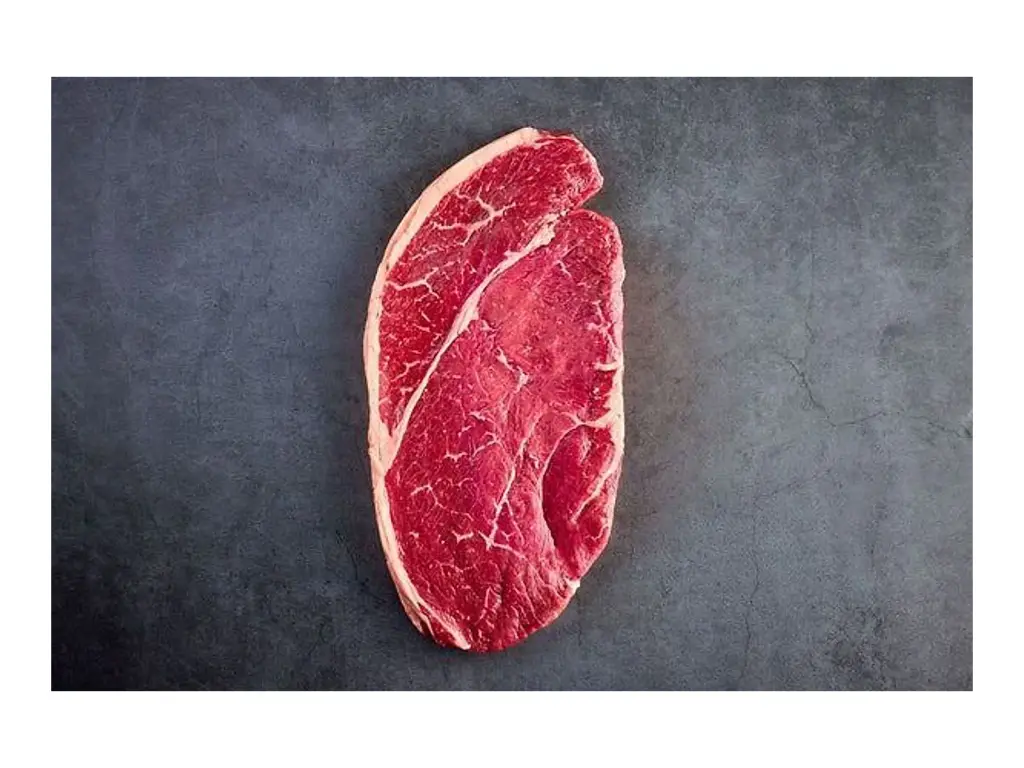
Beef tri tip steak is a triangular cut from the bottom of the sirloin, popular in California barbecue and increasingly sought after in Australia. It is lean, beefy, tender when sliced properly and surprisingly affordable. Cooked medium-rare and sliced thinly against the grain, it rivals far pricier steaks. This guide explains what tri-tip is, how to cook it, the best rub and how it compares with other cuts.
What is tri-tip?
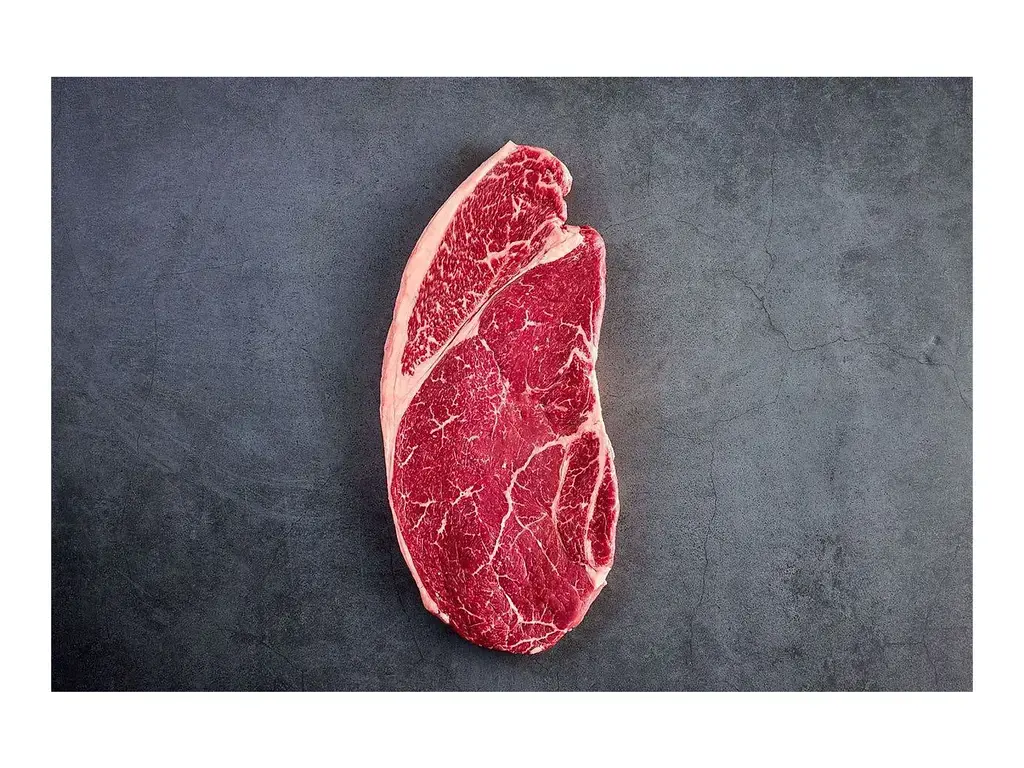
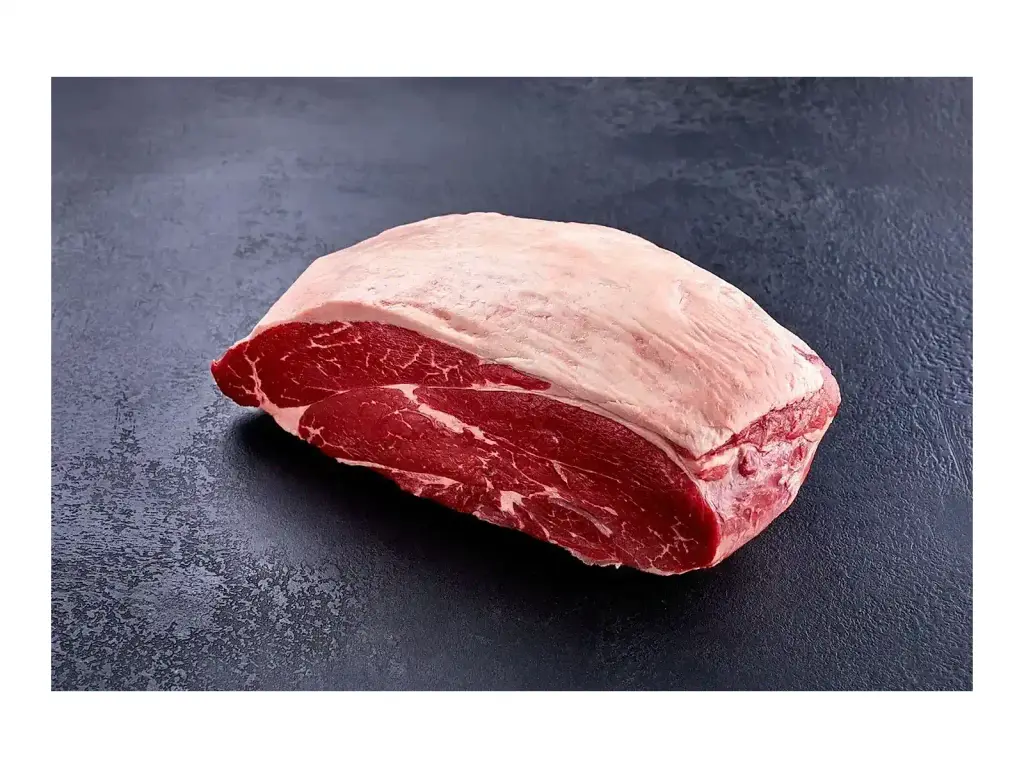
The tri-tip, written tri-tip or tri tip, is the tip of the sirloin, a triangular muscle of about 1 to 1.5kg. It has a robust beef flavour, a thin fat cap on one side and two grain directions, which makes slicing important. It is often grilled whole over charcoal, or roasted, and then sliced across the grain. Because it is lean, it should not be cooked beyond medium. If you cannot find it, similar flavours come from other cuts such as sirloin and rump.
Buying tri tip
If you search to buy tri tip steak, you will usually find it at specialist butchers. We stock Angus tri tip in our beef range, and you can find it along with other premium cuts on our halal beef page. For related cuts, check the rump steak price per kilo, a Wagyu rump steak for a luxury meal, or a butcher Wagyu beef rump steak in MB9+. A rump medallion is a neat, tender portion.
For the best-known sirloin steaks, look at the sirloin steak, also written sirloin steak beef or sirloin beef steak by many cooks, and a sirloin roast portion for the oven. Shoppers who search for grass fed tri tip are looking for a pasture-raised cut; ask the supplier for details of the feed, and check the grade before you buy. Every cut we sell is certified halal by Halal Control Australia.
The best tri tip rub
The best tri tip rub is simple. Santa Maria style uses salt, black pepper and garlic powder, and it lets the beef flavour shine. Mix two tablespoons of coarse salt, two tablespoons of coarse black pepper and one tablespoon each of garlic powder and paprika. Rub it over the whole tri-tip, and let it sit for an hour at room temperature, or overnight in the fridge. For a bolder rub, add cumin, brown sugar, smoked paprika and a pinch of chilli. Avoid too much sugar, which burns on a grill.
Reverse-sear method
- Season the tri-tip generously and rest at room temperature for 45 minutes.
- Roast in a 120°C oven on a rack until the thickest part reaches 50°C, around 45 to 60 minutes.
- Heat a heavy pan or grill until smoking hot. Sear the tri-tip for 90 seconds per side until a deep crust forms.
- The final internal temperature should be 54 to 57°C for medium-rare.
- Rest for 10 minutes, then slice thinly across the grain.
Grilling tri-tip over charcoal
Set up a two-zone fire. Sear the tri-tip on the hot side for 3 minutes per side, then move to the cooler side with the lid on until it reaches 54°C, about 20 minutes. Rest and slice. The smoky flavour of charcoal suits this cut perfectly. Use oak or hickory chunks if you want extra smoke, and a probe thermometer to avoid overcooking.
How to slice tri-tip
Slicing correctly is vital. The tri-tip has two muscle grains that run in different directions, meeting near the centre. Cut the roast in half where the grains meet, then slice each half across its grain in thin slices, about 5mm thick. Slicing with the grain makes the meat chewy.
Tri tip compared with other steaks
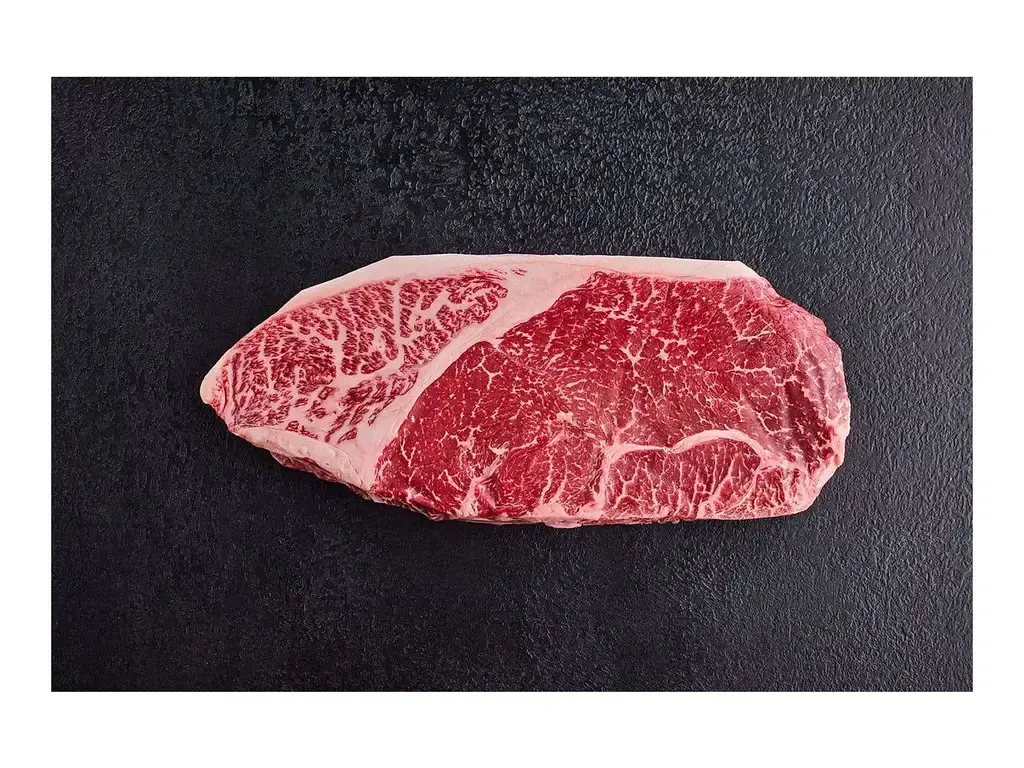
Flank vs tri tip is a common question. Flank is thinner, cooks faster and has a coarser grain; tri tip is thicker, more tender and better for roasting. Hanger steak vs sirloin is another: hanger is richer and more irregular, while sirloin is leaner and more uniform. Tri-tip sits between them in both price and texture. All are best cooked to medium-rare and sliced thinly.
Tri tip questions
Is tri tip tender?
Yes, when cooked to medium-rare and sliced across the grain. Overcooking makes it chewy.
What size should I buy?
A 1kg tri-tip feeds three to four people. Buy a bigger one for a crowd.
Can I cook it in the oven only?
Yes. Sear in a hot pan first, then roast at 200°C for 20 to 25 minutes to reach 54°C.
Can I smoke tri-tip?
Yes, at 120°C for about 90 minutes, then sear. It takes smoke very well.
Serving suggestions
Serve tri-tip with chimichurri, grilled corn, garlic bread, roasted potatoes and a crisp salad. Pinquito-style beans are the Santa Maria tradition. Slice leftovers for sandwiches with onions and horseradish. Store cooked tri-tip in the fridge for three days. Raw meat should be kept cold and cooked within three days, or frozen.
Tri-tip sides, sauces and serving ideas
Tri-tip is at home with simple, smoky sides. The Santa Maria tradition serves it with pinquito beans, a fresh salsa, garlic bread and a green salad. A chimichurri of parsley, garlic, vinegar and olive oil cuts through the beef beautifully. Grilled corn, baked potatoes with sour cream, and roasted vegetables are all good company.
For a casual barbecue, slice the tri-tip thinly and serve it in soft rolls with grilled onions, pickles and a horseradish mayo, or in tortillas with salsa and avocado. For a more elegant dinner, fan the slices on a plate with a red-wine-free pan sauce made from stock, mustard and a splash of balsamic vinegar, and serve with creamy mash and green beans.
Marinades suit tri-tip too. A mix of oil, garlic, soy sauce, brown sugar and black pepper works for a few hours. A citrus marinade with lime, coriander and chilli gives a Latin flavour. Do not marinate for more than 8 hours in acid, because the surface turns mushy. Pat the meat dry before it goes onto the grill, so it sears and does not steam.
A thermometer takes the guesswork out. Remove the tri-tip at 52°C for rare, 54 to 57°C for medium-rare, or 60°C for medium. It will rise 3 to 5°C while it rests. Because the cut tapers from thick to thin, the thin end will cook faster and finish medium, while the thick end remains rarer. This gives a range of doneness for different tastes.
Leftover tri-tip is excellent cold. Slice it thinly and pile it in sandwiches, salads and wraps. Dice it for fried rice, hash or tacos. Store sliced meat in an airtight container in the fridge for up to three days. Do not reheat it for long, because the lean meat dries out; add it to hot dishes at the last minute so it just warms through.
When you buy, look for a piece with a good fat cap and an even shape. Ask the butcher to leave a thin layer of fat on the surface, which bastes the meat as it cooks. Keep it in the fridge until the day you cook, and take it out an hour before cooking. All our beef is certified halal by Halal Control Australia, and delivered chilled to your door.
A last piece of advice: do not be intimidated by a new cut. Tri-tip is forgiving and rewarding, and the technique, season, sear, rest and slice across the grain, applies to many other steaks. Practise on this affordable cut, and you will soon cook like a barbecue pro.
Planning a tri-tip barbecue
Tri-tip is perfect for entertaining. Season it the night before, take it out of the fridge an hour before cooking, and grill it in about 30 minutes. While it rests, finish the sides and set the table. Slice it at the table or on a board, and serve family style. A single tri-tip serves four, so cook two for eight people. Offer sauces and condiments such as chimichurri, horseradish, mustard and barbecue sauce, and plenty of bread rolls, salads and grilled vegetables.
Keep an eye on food safety. Whole cuts like tri-tip can be served medium-rare, but keep raw meat away from salad and cooked food, use separate boards and tongs, and refrigerate leftovers promptly. A thermometer is your best friend. With the right tools and a little planning, tri-tip makes a memorable, relaxed meal.
A note on doneness and resting
Because tri-tip is lean, resting is vital. Cover the meat loosely with foil for ten minutes after cooking, so the juices spread through the meat. Cutting too early makes the juices run onto the board and leaves the slices dry. Choose your doneness before you start, use a thermometer, and slice thinly across the grain.
These three habits matter more than any rub, marinade or fancy technique, and they make every steak better. If you are cooking for a crowd, mark the thick and thin ends with a toothpick so you remember which is which when you carve; the thin end suits guests who like their steak more cooked, and the thick end suits those who prefer it rare. Offer both and everyone is happy.