
A beef tongue lengua recipe for tender tacos: how to simmer, peel and slice halal beef tongue, plus where to buy it and what to serve it with.
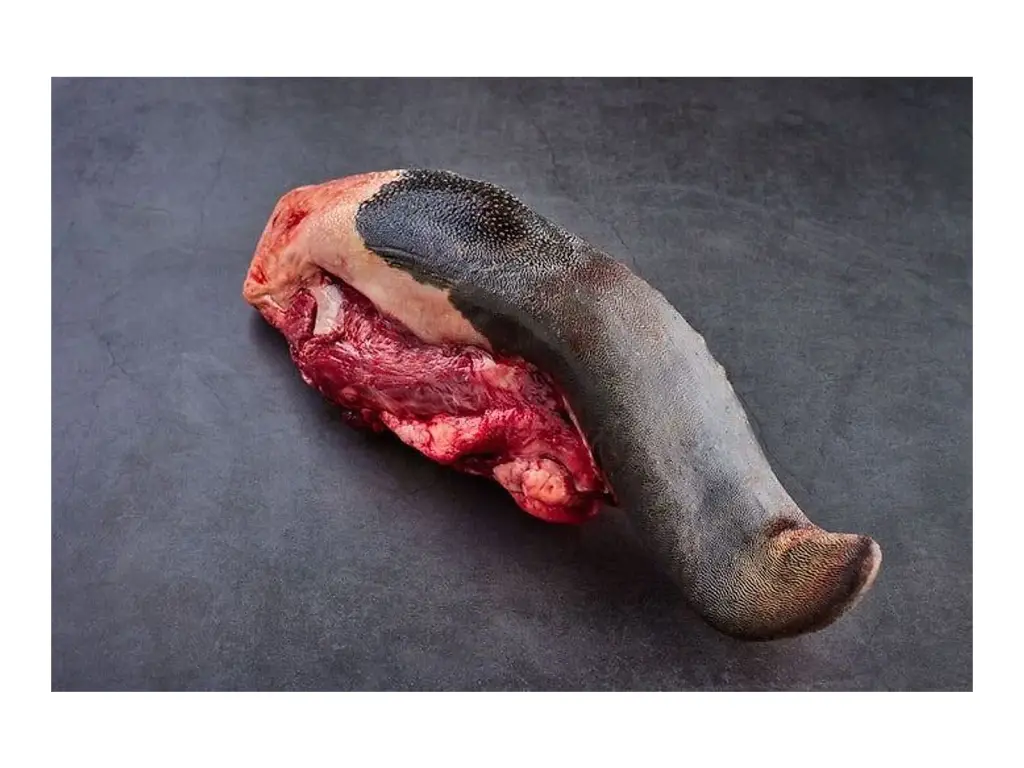
This beef tongue lengua recipe turns an inexpensive, underrated cut into the most tender taco filling you will ever eat. Lengua is Spanish for tongue, and in Mexican cooking it is simmered until soft, peeled, and then chopped and crisped in a pan. The texture is silky, the flavour is mild and beefy, and the result is far better than most people expect. It is also naturally halal when you start with certified beef tongue and avoid the beer and wine that some recipes use.
Buying beef tongue
Beef tongue is sold whole, usually frozen, and weighs about 1.5 to 2kg. Our beef tongue is certified halal by Halal Control Australia and delivered frozen. People search for beef tongue for sale and beef tongue for sale near me, and for a beef tongue butcher or beef tongue near me, and the answer is the same: order from us online and we deliver across Sydney and Australia-wide.
The beef tongue meat is firm, lean and rich in flavour, and the beef tongue near me results lead to the same pack. Shoppers who ask for beef tongue halal will find the certificate published on our site. A beef tongue butcher should supply the tongue trimmed and cleaned, as ours is, and the beef tongue cut is always the whole muscle.
Tongue is one of several nutrient-dense cuts. If you like it, try beef liver meat pan-fried with onions, or oxtail braised until tender. For a milder introduction to offal, minced meat beef with liver, heart and kidney mixes easily into tacos and sauces. You can see more cuts on our buy beef offals online page, and all of our halal beef is in one place.
Ingredients (serves six)
- 1 whole beef tongue (about 1.5kg), thawed
- 1 onion, halved, and 4 garlic cloves
- 2 bay leaves and 1 teaspoon peppercorns
- 1 tablespoon salt
- 2 teaspoons cumin and 1 teaspoon dried oregano
- Corn tortillas, chopped onion, coriander, lime wedges, salsa
Slow cooking beef tongue
The secret to tender tongue is slow cooking beef tongue gently in water for a long time. Place the tongue in a large pot with the onion, garlic, bay leaves, peppercorns and salt, and cover with cold water. Bring to a boil, skim off the foam, then reduce to a bare simmer. Cover and cook for 3 to 3.5 hours, or in a slow cooker on low for 8 to 10 hours, until a skewer slides in easily. Alternatively, pressure cook for 75 minutes. Do not rush it: undercooked tongue is tough, and fully cooked tongue is as soft as butter.

Beef tongue skin removal
Beef tongue skin removal is easiest while the tongue is hot. Lift the tongue from the broth, cool it for a few minutes until you can handle it, then make a slit along the length of the thick outer skin with a knife and peel it off in one piece. The skin comes away easily when the tongue is hot, and sticks if left to cool. Trim off any gristle or fat at the base, and discard. Strain and keep the broth: it makes a flavourful stock for soup or rice.
Making the tacos
- Chop the peeled tongue into small cubes, about 1cm.
- Heat a little oil in a frying pan over medium-high heat.
- Add the tongue, cumin and oregano, and fry for 5 to 6 minutes until the edges are crisp and golden.
- Warm the tortillas in a dry pan, fill with the lengua, and top with chopped onion, coriander, a squeeze of lime and salsa.
A good salsa verde, made from tomatillo or green tomatoes, coriander, lime and chilli, is the classic partner. A simple avocado salsa or fresh tomato salsa also works. Serve with a squeeze of lime and extra coriander.
Other ways to serve tongue
- Sliced thin in a sandwich with mustard and pickles.
- Braised in a tomato and spice sauce, served over rice.
- Cut into strips and stir-fried with vegetables and soy sauce.
- Cold and sliced, with a sharp green sauce or herb vinaigrette.
- Chopped into a hash with potatoes and onion, topped with a fried egg.

Beef tongue questions
Does beef tongue taste strange?
Not at all. It tastes like tender, mild beef, with a smooth texture rather than a grainy one. Many people find it milder than liver.
Is the tongue cooked from frozen?
Thaw it fully in the fridge first, which takes 24 to 36 hours.
How long does cooked tongue keep?
Four days in the fridge. Slice or cube it, store it in some of the cooking broth, and reheat gently.
Can I freeze cooked tongue?
Yes, peeled and sliced in its broth, for up to three months.
What is the best way to slice it?
Cut across the grain in thin slices for sandwiches, or into small cubes for tacos. Use a sharp knife.
Serving a taco night
Lengua tacos pair well with Mexican rice, refried beans, a crisp slaw and lime. Put out bowls of toppings and let guests build their own. The meat can be cooked a day ahead, and crisped just before serving. Leftover lengua is also excellent in burritos, quesadillas and nachos. Raw tongue should be kept frozen until needed, thawed in the fridge, and cooked within two days. Wash your hands, boards and knives after handling it.
Tips and flavour ideas for lengua
Season the cooking water well. A tablespoon of salt per two litres of water seasons the tongue from the inside as it cooks, and the aromatics add depth. Onion, garlic, bay leaves, peppercorns, a carrot and a stick of celery all suit the pot. For a Mexican flavour, add a dried chilli and a few cloves, and for a European flavour add thyme and parsley stalks.
Test for doneness by inserting a skewer or thin knife into the thickest part of the tongue. It should slide in with almost no resistance. If you feel any firmness, keep cooking. It is better to cook tongue slightly too long than too short, because overcooked tongue is just very soft, while undercooked tongue is tough and rubbery. The skin will wrinkle and loosen when the tongue is ready.
Slice or chop the tongue while it is still warm, as it is easier to cut. For tacos, cube it finely and crisp it in a hot pan with a little oil, so the edges caramelise. For sandwiches, slice thinly across the grain. For a braise, cut into thick slices and simmer in a flavourful sauce for another 30 minutes. Each method gives a different texture from the same tender meat.
Salsas and sauces transform lengua. A fresh salsa verde with tomatillos, jalapeños, coriander and lime is classic. A smoky chipotle salsa adds heat, and a simple pico de gallo adds freshness. For a European style, serve with a caper and herb sauce, a mustard sauce or a horseradish cream. Pickled onions add a bright, sharp contrast to the rich meat.
Tongue is a great meal-prep ingredient. Cook one on Sunday, slice and portion it, and use it throughout the week in tacos, sandwiches and rice bowls. Store sliced tongue in some of the cooking broth to keep it moist. It reheats well in a covered pan with a splash of broth, and tastes better after a day in the fridge, once the flavours settle.
Finally, remember that offal often needs introduction. If you have never cooked tongue, start with tacos. The crispy edges, fresh toppings and bold salsa make it approachable, and many people who think they will not like tongue end up asking for more. Introduce it to family and friends gradually, and you may start a new tradition at your table.
Storing, reheating and food safety
Keep raw beef tongue frozen until the day before you plan to cook it, and thaw it in the fridge on a tray to catch drips. Once cooked and peeled, cool the tongue quickly and refrigerate within an hour. Store it whole or sliced in some of the cooking broth, in an airtight container, for up to four days. Reheat in the broth until steaming hot, which keeps the meat moist.
Never refreeze raw tongue that has fully thawed. You can freeze cooked slices for up to three months, in a little broth. Use clean boards and knives for raw and cooked meat. Because offal is more perishable than muscle meat, always buy from a trusted supplier, keep it cold on the way home and cook within the stated dates. These simple habits keep your lengua feast safe and delicious.
Why try offal cuts?
Offal and underused cuts have fed families for centuries, and they are enjoying a revival because of their flavour, texture and value. Tongue is one of the gentlest introductions, as it is a muscle rather than an organ, and its taste is simply beefy. Try it once, with a good salsa, and you may be converted. It is also a sustainable approach to cooking, using the whole animal. Start with a single tongue, share it with friends, and discover why cooks across the world treasure it.