
Beef rendang, Malaysian style: the spice paste, toasted coconut, the long reduction, and the best halal beef cuts for a rich, tender dry curry.
Beef rendang, Malaysian style, is a curry you cook slowly and patiently. Rendang is not a curry you rush. It starts like a soupy coconut braise and ends, hours later, as dark, glossy beef coated in a thick, caramelised paste, with almost no liquid left in the pan. That transformation is what makes it one of the most celebrated dishes in Malaysia and Indonesia, and it is surprisingly achievable at home with a little patience. This beef rendang recipe walks you through every stage, explains which cut to buy and shows you how to tell when it is ready.
What is rendang?
Rendang comes from the Minangkabau people of West Sumatra, and spread across Indonesia, Malaysia and Singapore, where it is cooked for Hari Raya, weddings and family celebrations. Indonesian rendang is often cooked until very dry and dark. A beef rendang Malaysian recipe tends to be a little moister, with more of the coconut sauce clinging to the meat, and it usually includes kerisik, a paste of toasted grated coconut that thickens the sauce and adds a nutty depth.
Both versions share the same principle: aromatics and spices are slowly cooked down in coconut milk with the beef until the fat separates and fries the paste. That final frying stage is where the deep colour and flavour come from.
Best beef for curry like rendang
The best beef for curry that cooks for three hours or more is a cut with plenty of connective tissue and some marbling. Chuck steak is the traditional favourite and holds together well. Gravy beef from the shin gives a silkier result, and beef cheeks become meltingly soft. Brisket, especially the point end, also works beautifully.
Avoid lean, fast-cooking steaks. They dry out long before the sauce has reduced. Cut the beef into large pieces of about 4 to 5 cm, because they shrink as they cook and smaller pieces can fall apart into shreds.
Recipe for beef rendang: ingredients
This recipe for beef rendang serves six. The spice paste is the heart of the dish, so make it fresh if you can.
Spice paste
- 10 to 15 dried chillies, soaked in hot water and drained (fewer for a milder curry)
- 6 red shallots and 4 cloves garlic
- 4 cm piece each of ginger and galangal
- 3 stalks lemongrass, white part only
- 3 cm piece fresh turmeric, or 1 teaspoon ground turmeric
Curry
- 1.2 kg chuck, gravy beef or beef cheeks, cut into large chunks
- 2 x 400 ml cans coconut milk
- 1 cup water
- 2 lemongrass stalks, bruised and tied in a knot
- 6 kaffir lime leaves, finely shredded
- 1 cinnamon stick, 3 cloves, 3 star anise and 4 cardamom pods
- 2 tablespoons tamarind paste
- 1 tablespoon palm sugar, and salt to taste
- 1/2 cup desiccated or grated coconut, for the kerisik
Beef rendang Malaysian recipe: the method
Blend the spice paste ingredients with a splash of oil until smooth. Heat 3 tablespoons of oil in a large, heavy pot or wok and fry the paste with the whole spices over medium heat for 8 to 10 minutes, stirring often, until it darkens slightly and the oil begins to separate. Do not hurry this step; raw paste tastes harsh.
Add the beef and stir to coat. Pour in the coconut milk and water, add the lemongrass, lime leaves, tamarind and sugar, and bring to a simmer. Cook uncovered on a low heat for about 2 hours, stirring every 15 minutes or so. The liquid will slowly reduce.
Meanwhile, make the kerisik: dry-fry the coconut in a pan over medium-low heat, stirring constantly, until evenly deep golden brown. Pound it in a mortar or blitz it in a grinder while still warm until it turns into an oily paste. Stir the kerisik into the pot.
For the final 30 to 60 minutes, stir more often. As the liquid disappears, the oil separates and the beef begins to fry in its own paste. It is ready when the sauce is thick and dark brown, the oil glistens around the edges and the beef is tender. Season with salt and a little more sugar if needed.
Common rendang mistakes
- High heat: the sauce catches and burns long before the beef is tender. Keep the heat low and steady.
- Too little stirring at the end: the reduction stage needs your attention every few minutes.
- Lean beef: it turns dry and stringy. Use chuck, shin, cheeks or brisket.
- Skipping the kerisik: it is what gives Malaysian rendang its body and nutty flavour.
Slow cooker and pressure cooker options
You can do the long braise in a slow cooker (about 7 hours on low) after frying the paste on the stove, but you will need to finish the curry in a wide pan on the stove to reduce the sauce, because slow cookers trap moisture. A pressure cooker cuts the braise to about 45 minutes at high pressure; again, finish it in an open pan until the sauce is thick and the oil separates.
Serving and storing
Serve rendang with steamed rice, nasi lemak or ketupat (compressed rice cakes), with cucumber and a sambal on the side. Rendang was originally a way to preserve meat, and it keeps well: up to four days in the fridge and three months in the freezer. Many cooks think it tastes best on the second day.
Beef rendang questions
How long does rendang take?
Allow three to four hours from start to finish on the stove, most of it hands-off simmering. The final reduction needs the most attention, so plan to be in the kitchen for the last 45 minutes.
Is rendang very spicy?
It can be, but you control the heat with the number of dried chillies. Five or six chillies give a gentle warmth suitable for most families; fifteen give a properly fiery rendang. Removing the seeds also lowers the heat without losing the colour.
Can I make rendang without kerisik?
You can, and many Indonesian cooks do, but the sauce will be thinner and less nutty. If you skip it, reduce the curry a little further so it still coats the beef.
Which chuck cut for rendang?
Rendang cooks for three to four hours, so it needs the toughest, most flavourful cuts. Diced beef chuck is the easiest choice: cut into large cubes, it holds together through the long reduction. Beef chuck with bone adds even more flavour; cook it on the bone and remove the bones before serving. In Malaysia, cooks often use a mix of chuck and shin.
Beef chuck rolls are the whole boneless chuck, and many restaurants cut their rendang beef from them. At home, buy diced beef online to save time, or dice chuck steaks yourself into 5cm pieces. The beef chuck cost per kilo is low, so rendang is an affordable dish for a crowd.
The best way to cook beef chuck for rendang is to keep the heat low and stir more often as the liquid reduces. A beef chuck flap has more marbling and makes an especially rich rendang. On beef chuck vs beef blade for rendang, chuck melts more and blade holds its shape. Beef chuck vs brisket: brisket works but needs more trimming. Need a substitute for beef chuck? Shin is the traditional alternative.
Rendang on a family table
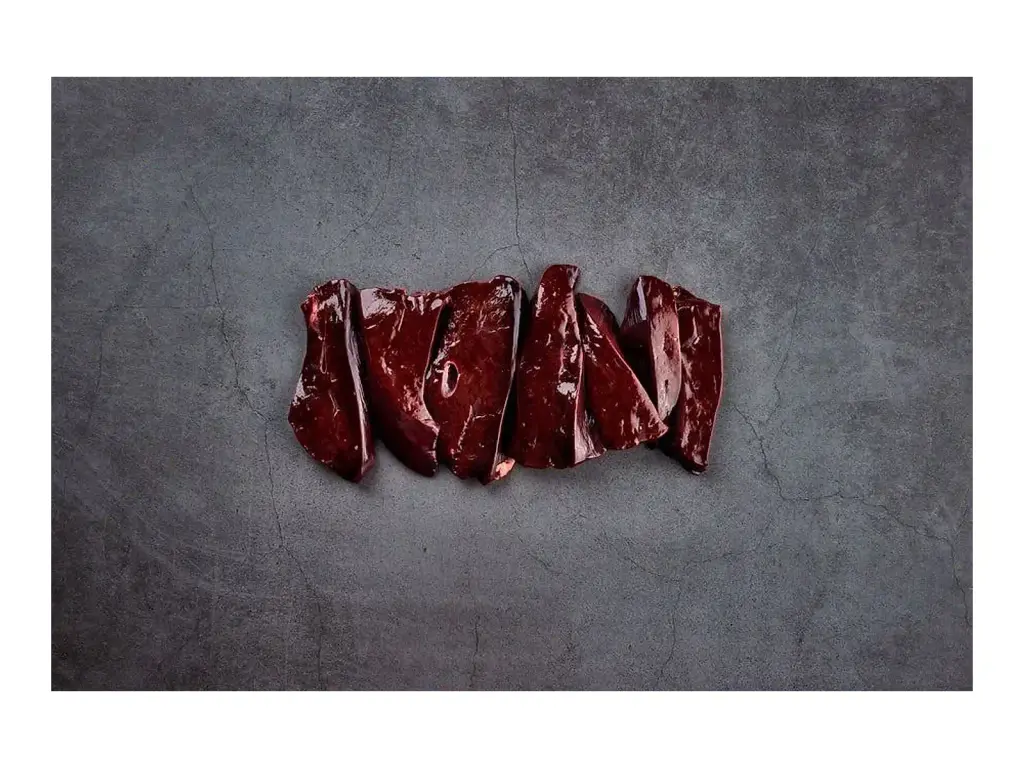
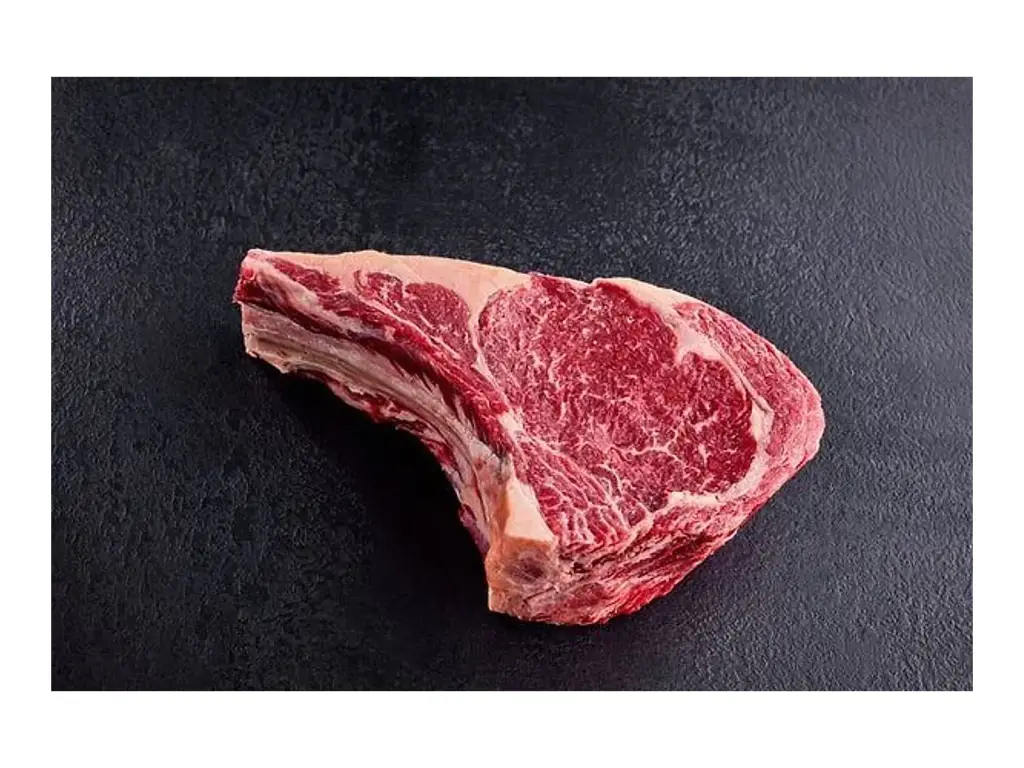
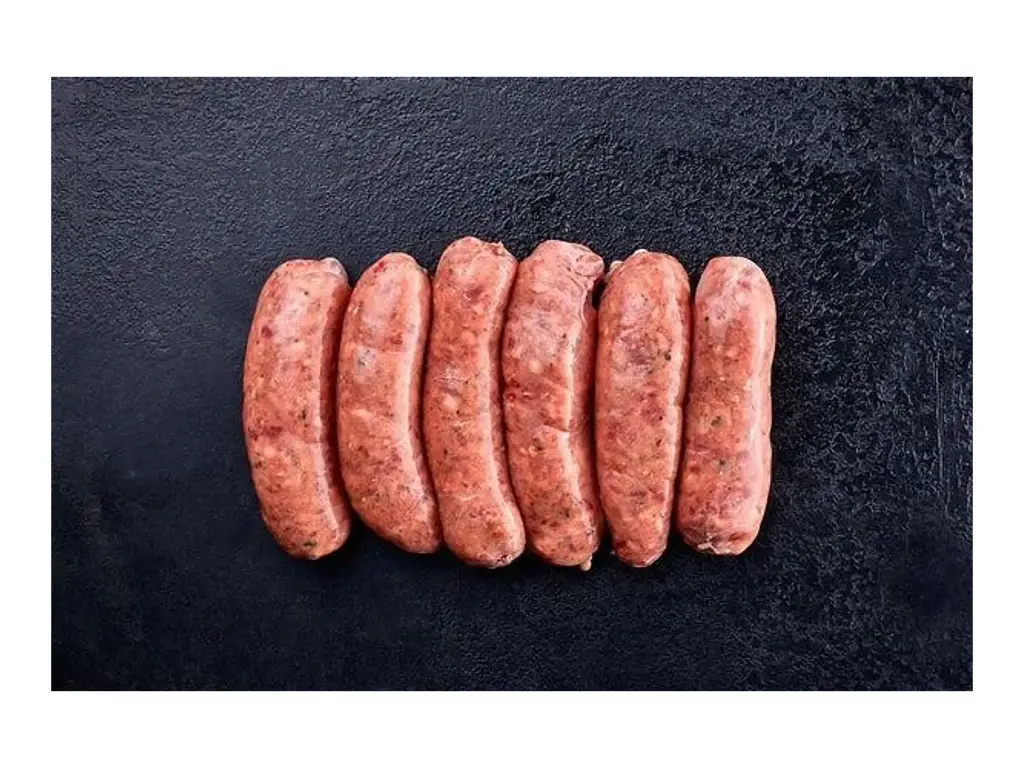
Rendang is often served with nasi lemak, sambal and cucumber. It is rich, so serve it with plain rice and something fresh. For a bigger spread, add grilled beef sausages for the children, or quick-fried beef liver meat with onions and chilli. If you want a premium centrepiece, a cattleman cutlet is a bone-in rib eye big enough to share.
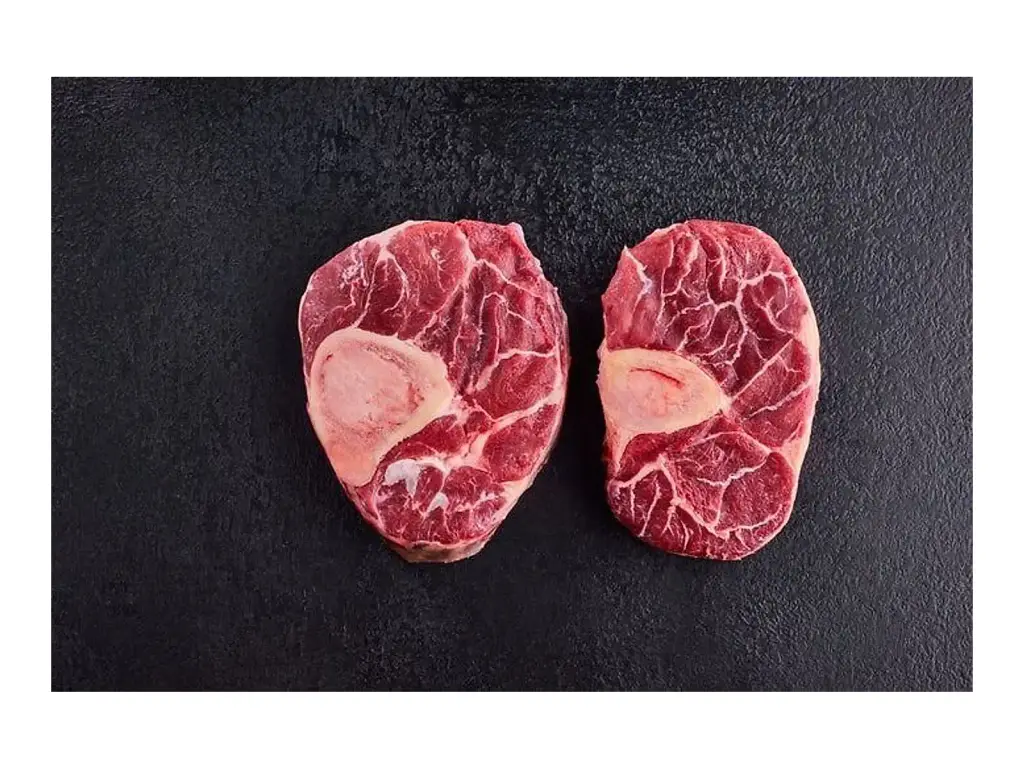
Veal also works in milder curries: buy veal online as osso buco and braise it for two hours. Every cut is certified halal by Halal Control Australia; browse our halal beef range.
Rendang questions
Why does rendang take so long?
The coconut milk needs to cook down until its oil separates and fries the spice paste and beef. Rushing it gives a soupy curry. Stir more often at the end, when the sauce thickens and can catch on the pan.
What is kerisik?
Kerisik is toasted grated coconut, ground to a paste. It gives rendang its nutty depth and helps thicken the sauce. You can toast dried desiccated coconut in a dry pan until golden, then pound or blend it.
How long does rendang keep?
Because it is cooked until dry, rendang keeps well: about a week in the fridge, and its flavour deepens. It also freezes well for up to three months.
Where to buy beef for rendang
If you have been searching for beef steak near me for a curry night, remember that the cheaper braising cuts are the right buy here, not premium steaks. You will find chuck, gravy beef, cheeks, brisket and diced beef in our halal beef range, all certified halal by Halal Control Australia and delivered chilled from Greenacre, Sydney, to anywhere in Australia. For another slow-simmered favourite, try our beef massaman curry.