
Greek lamb shoulder, slow roasted with lemon, oregano and garlic until it falls off the bone, with lemon potatoes, tzatziki and tips for buying halal lamb.
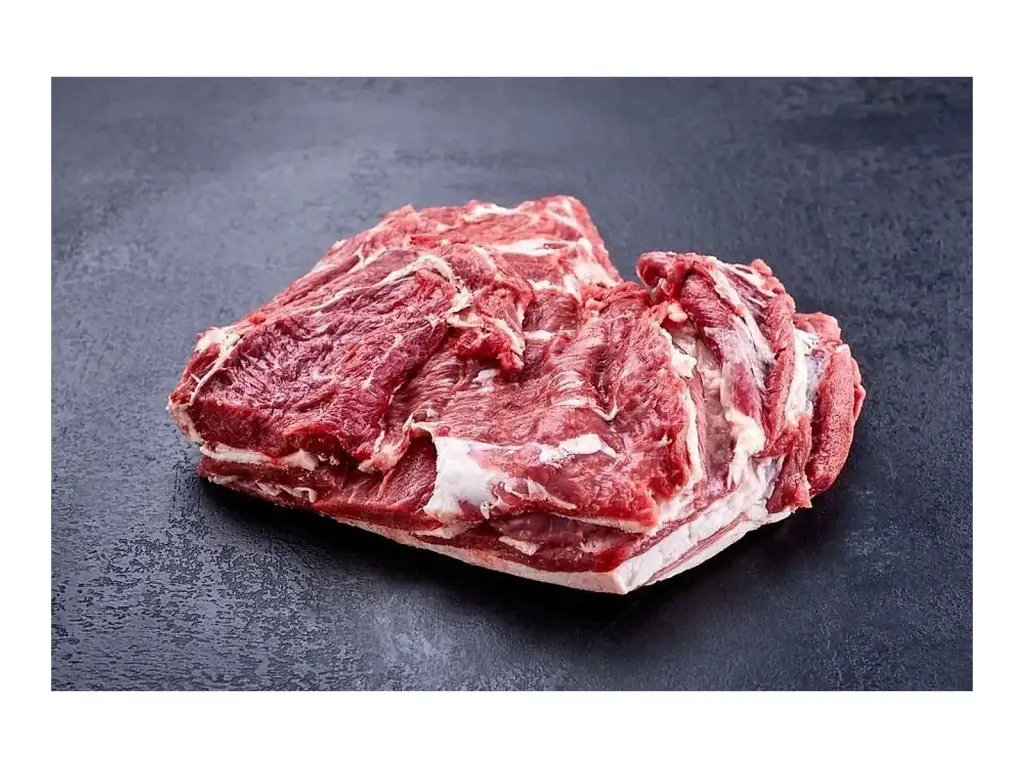
Greek lamb shoulder is the dish that makes a long lunch special. A whole shoulder is rubbed with garlic, lemon, oregano and olive oil, then cooked slowly on a bed of potatoes until the meat is silky and falls off the bone. The cooking juices and lemon turn the potatoes golden and tangy. It is easy, almost hands-off, and entirely halal: no wine is needed, as the lemon and stock provide the acidity.
Choosing the lamb
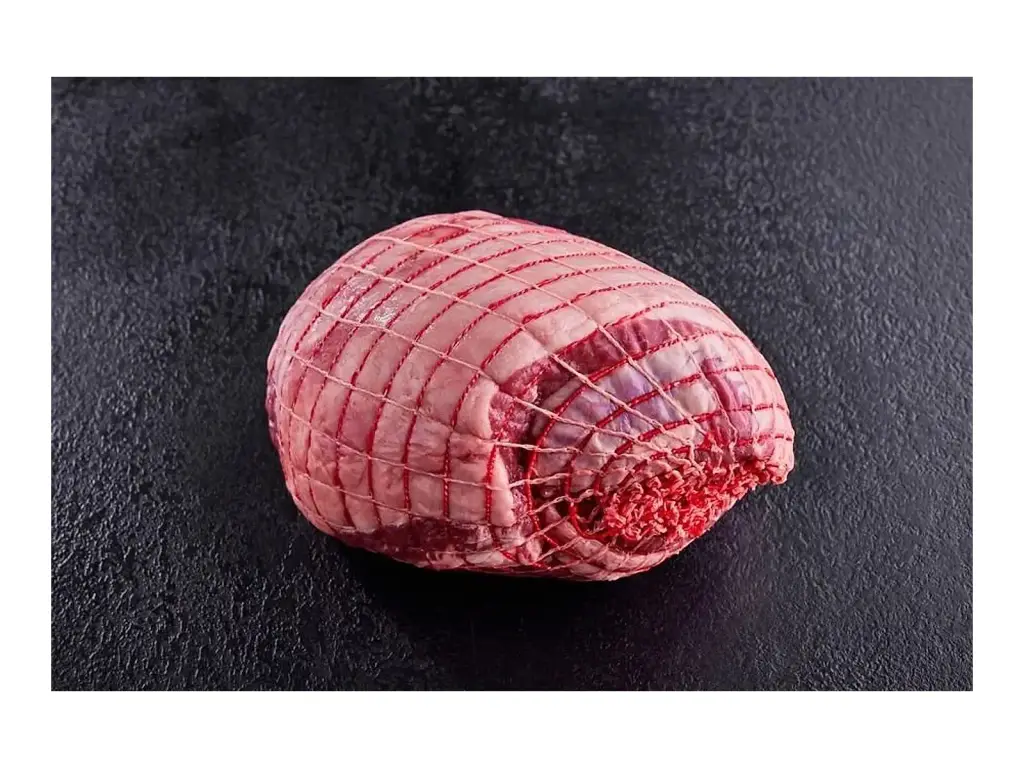
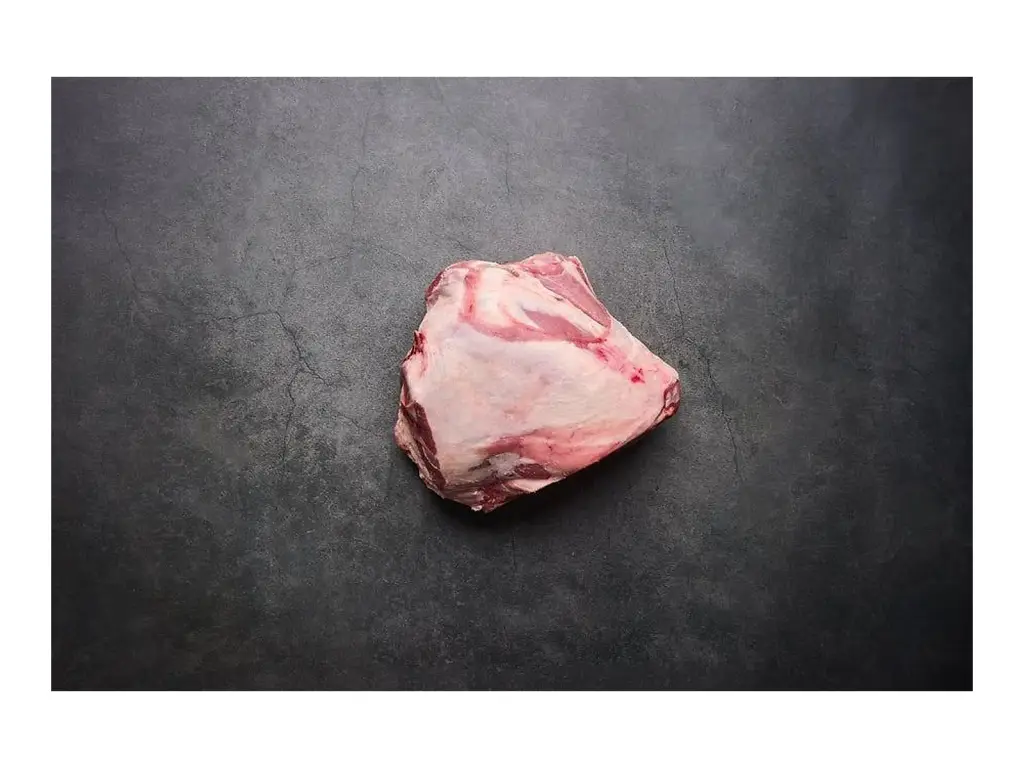
A bone-in shoulder gives the best flavour, and a 2kg piece feeds four to six people. If you are comparing cuts, the lamb shoulder price is lower than leg, and lamb shoulder cost per serve is even better. You can buy lamb shoulder boned and rolled, or choose a halal lamb shoulder from milk-fed lamb, which is smaller and very tender. Searching for lamb shoulder near me? We deliver chilled across Sydney and Australia-wide. A lamb shoulder cut as forequarter chops also works, with a shorter cooking time. If you prefer a stew, lamb shoulder diced gives you ready-cut pieces.
Many cooks ask, is lamb shoulder or leg better for a Greek roast? For slow cooking, is lamb shoulder or leg better is easy: shoulder, because the fat and connective tissue keep it moist for hours. Leg is leaner and best for pink roasts. The best way to cook lamb shoulder in the Greek style is low and slow, covered, with plenty of lemon.
Ingredients for four to six
- 2kg bone-in lamb shoulder
- 6 cloves garlic, 4 sliced and 2 crushed
- 3 tablespoons dried oregano (or a handful of fresh)
- Zest and juice of 2 lemons
- 1/3 cup extra virgin olive oil
- 1kg waxy potatoes, cut in chunky wedges
- 1 large onion, sliced
- 1 cup chicken or vegetable stock
- Salt and pepper
Method
- Take the lamb out of the fridge an hour before cooking and preheat the oven to 160°C.
- Make 12 small cuts in the lamb with a sharp knife and push a sliver of garlic into each.
- Mix the crushed garlic, oregano, lemon zest, half the lemon juice and half the oil with a good pinch of salt and pepper, and rub it all over the shoulder.
- Scatter the onion and potatoes in a deep roasting tin, toss with the remaining oil and lemon juice, and season. Pour in the stock.
- Sit the lamb on top, cover tightly with foil and roast for 3.5 hours.
- Remove the foil, turn the oven up to 210°C and roast for 25 minutes to brown the lamb and crisp the potatoes.
- Rest the lamb for 20 minutes, then pull it into large pieces and serve with the potatoes and pan juices.
The meat should be ready when it shreds with a fork and the bone slides out. If it is not tender, cover it again and give it another 30 minutes. Slow roast lamb shoulder is forgiving: it does not dry out if cooked a little longer, as long as the foil seals the tin.
Slow cook and slow roasted variations
If you prefer to slow cook lamb shoulder in a slow cooker, brown it first, place it on the onions, and add the lemon, oregano and a little stock. Cook on low for 8 to 10 hours, then crisp the outside under a grill. For slow roasted lamb shoulder with a deeper flavour, marinate it overnight with the garlic and lemon.
A more traditional Greek method is kleftiko, where the lamb is sealed in baking paper and foil with the potatoes and cooked for four hours, so it steams in its own juices. To roast lamb shoulder faster, use a butterflied shoulder at 180°C for 90 minutes, though it will be firmer than the slow method.
Serving a Greek feast
Serve the lamb with lemon potatoes, a horiatiki salad of tomato, cucumber, olives and feta, warm pitta bread and tzatziki. Add a plate of grilled vegetables and a bowl of rice if you are feeding a crowd. For a starter, serve halal lamb kofta grilled and wrapped in pitta, and for dessert, fruit with honey and yoghurt. The whole meal is built from simple ingredients, and almost everything can be prepared ahead.
Buying lamb for a crowd
Greek feasts are for sharing, and lamb shoulder suits large gatherings. Restaurants and caterers ask about lamb wholesale supply, and our 20kg shoulder carton is the lowest price per kilo. If you are comparing halal lamb price across cuts, the pack and per-kilo prices are shown on every product page. Browse our full lambs for sale range, certified halal by Halal Control Australia.
Greek lamb questions
Do I need wine in the recipe?
No. Lemon juice, stock and herbs give plenty of flavour and acidity. Many traditional Greek recipes use wine, but this one does not need it, so it is halal-friendly.
Can I use leg instead of shoulder?
Yes, but cook it for a shorter time, around 2.5 hours covered, and slice it rather than shred it. Shoulder gives the more tender, fall-apart result.
How do I keep the potatoes from going soggy?
Use waxy potatoes, cut them in thick wedges, and do not overcrowd the tin. Uncover for the last 25 minutes to let the top crisp.
What if the lamb is greasy?
Skim the fat from the pan juices before serving. Lamb shoulder renders a lot of fat, so use a deep tin and pour the juices into a jug to separate.
Can I cook it ahead?
Yes. Cook it a day ahead, cool, refrigerate and reheat covered in a 160°C oven for 40 minutes, with a splash of stock.
Leftover Greek lamb
Leftovers are wonderful. Pull the meat into warm pitta with tzatziki, tomato and red onion for a gyro-style wrap. Toss it with orzo, tomato and olives for a quick baked dish, or fold it into a salad of greens, feta and lemon. The cooking juices freeze well in ice cube trays, ready to add to stews or sauces. Keep leftovers in the fridge for three days, and reheat until steaming hot.
Timing the day
For a lunch at 1pm, put the lamb in at 8.30am, uncover at noon, and rest it while you make the salad and warm the pitta. Prepare the tzatziki the night before, so the flavours meld. Set the table while the lamb rests, and let guests help themselves, Greek style. A relaxed pace is part of the dish, and a whole shoulder gives everyone seconds.
Greek flavours and sides to pair with the lamb
Greek cooking relies on a few humble ingredients used well: olive oil, lemon, garlic, oregano and good salt. Buy the best olive oil you can, because it forms the base of the marinade and the potatoes. Use fresh lemons rather than bottled juice, and add some of the zest, which holds the fragrant oils. Dried Greek oregano, ideally on the stem, has more punch than most supermarket versions.
A traditional Greek table has many small dishes. Alongside the lamb, serve skordalia, a thick garlic and potato dip, spanakopita, a spinach and feta pie, or briam, a tray of roasted vegetables in olive oil and tomato. Dolmades, vine leaves stuffed with rice, make a good starter. Fresh bread for mopping up the juices is essential.
For salads, a classic horiatiki mixes ripe tomato, cucumber, red onion, green capsicum, olives and a slab of feta, dressed with olive oil, oregano and a little vinegar. A simple cabbage and carrot salad with lemon is also common in winter. Keep the dressings plain and let the produce speak, and serve salads at room temperature, not fridge-cold.
For dips, tzatziki is the star. Mix thick Greek yoghurt with grated cucumber (squeezed dry), crushed garlic, olive oil, chopped dill or mint and a pinch of salt. Taramasalata and hummus are also popular, and a spicy feta dip adds heat. Dips can be made a day ahead, and improve as the flavours meld.
For drinks, serve sparkling water with lemon, fresh mint tea or a jug of iced tea with citrus. Greek yoghurt with honey and walnuts makes an excellent simple dessert, as does fresh fruit or baklava. Baklava is made with butter, nuts and syrup, with no alcohol, and is easy to buy from a good bakery.
Finally, relax. A Greek feast is about generous sharing, slow pacing and good company. Put the lamb in the oven early, prepare the sides, and enjoy a long lunch with family and friends. The leftovers, if any, are even better the next day, and the pan juices make a superb base for soup.
Storing and reheating Greek lamb
Cool the lamb and potatoes within an hour, and store them in separate airtight containers in the fridge for up to three days. Reheat the lamb in a covered dish at 160°C with a splash of stock or the reserved juices for 20 to 30 minutes, until steaming hot throughout. Crisp the potatoes separately in a hot oven for 10 minutes. The meat also freezes well in its juices for up to three months.
If you plan to cook the dish ahead for an event, undercook it slightly, cool it quickly and refrigerate it overnight. On the day, reheat it covered, then uncover and brown it for a fresh-from-the-oven finish. The flavour improves with time, and the lamb is easier to portion when cold.